Uniform Particle Size, Low Fines, Up to 50 t/h in Indonesia Projects
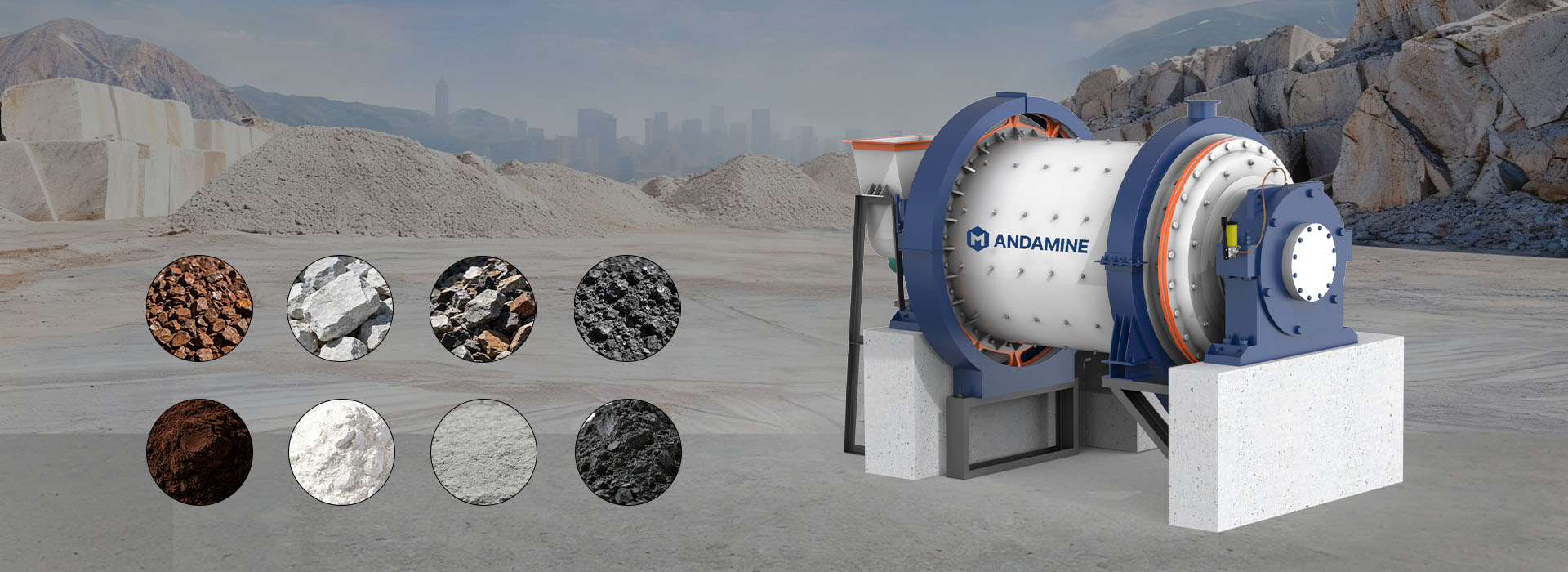
Looking for a reliable way to grind sand, limestone, or construction aggregates in Indonesia? Rod mill machines are designed for controlled grinding of medium-hard materials with uniform particle sizes and minimal fines. Unlike ball mills, they focus on coarse to medium grinding, making them ideal for batching plants, road base materials, and local construction or mining projects. Andamine offers customized pabrik rod mill solutions to meet the needs of Indonesian projects, ensuring stable and efficient operation.
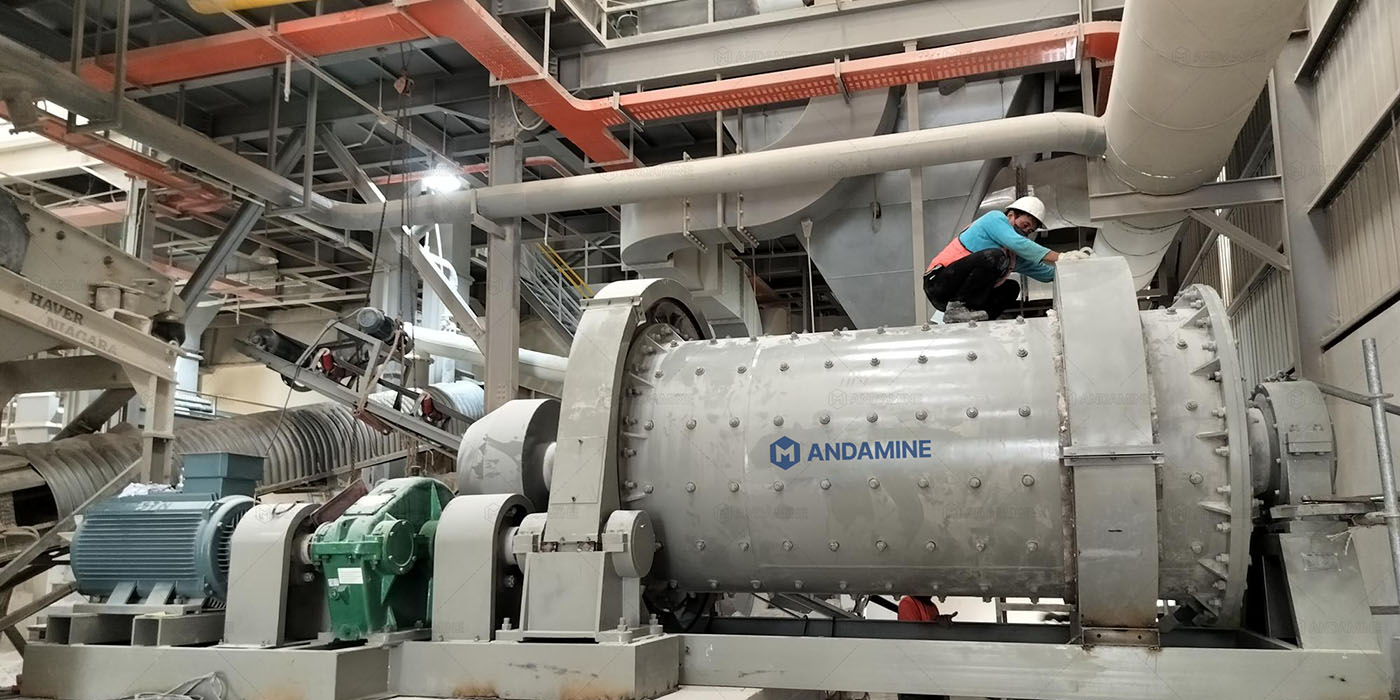
Looking for a proven grinding solution in Indonesia? Check the project cases below to understand why contractors choose Andamine grinding mills for stable and efficient operation.
Andamine Rod Mills Are Trusted by Indonesian Contractors
From Java to Papua, Andamine Rod Mill machines are delivering stable and efficient grinding for local construction and mining projects. Trusted by contractors across Indonesia, our grinding mill machines ensure consistent material quality and reliable operation, helping projects stay on schedule and on budget.
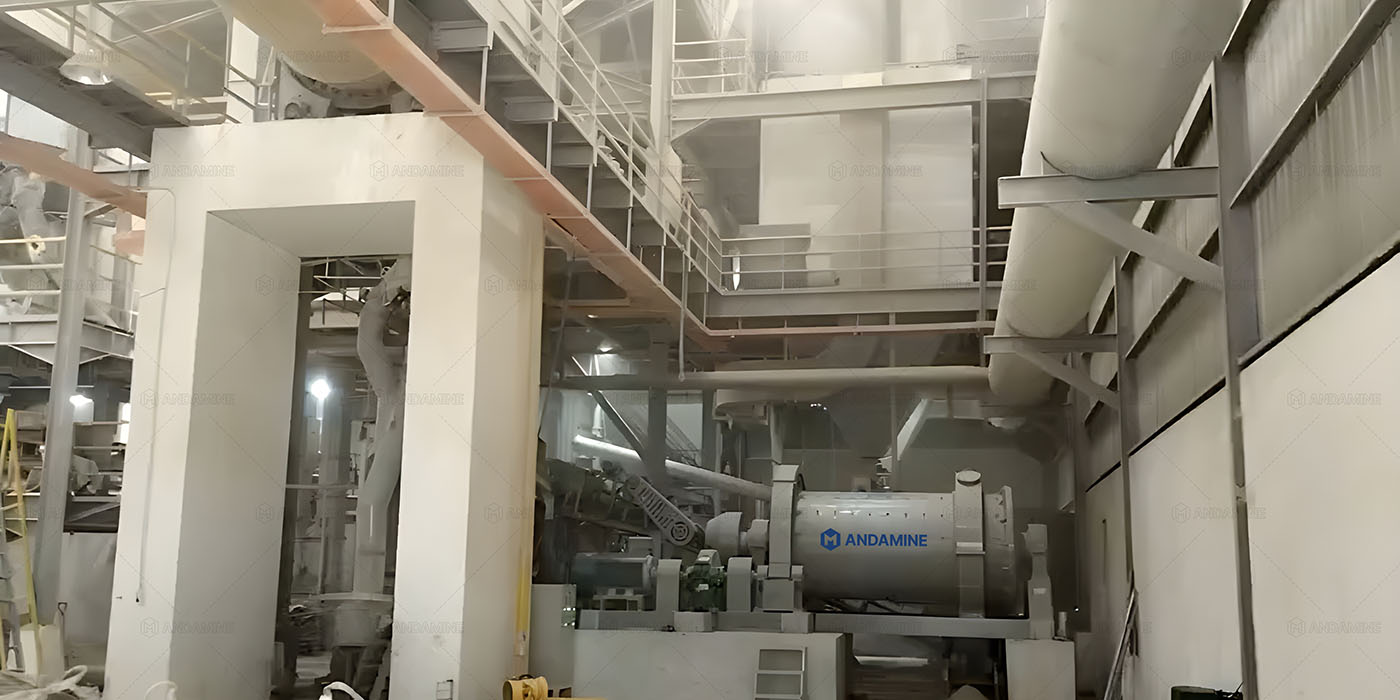
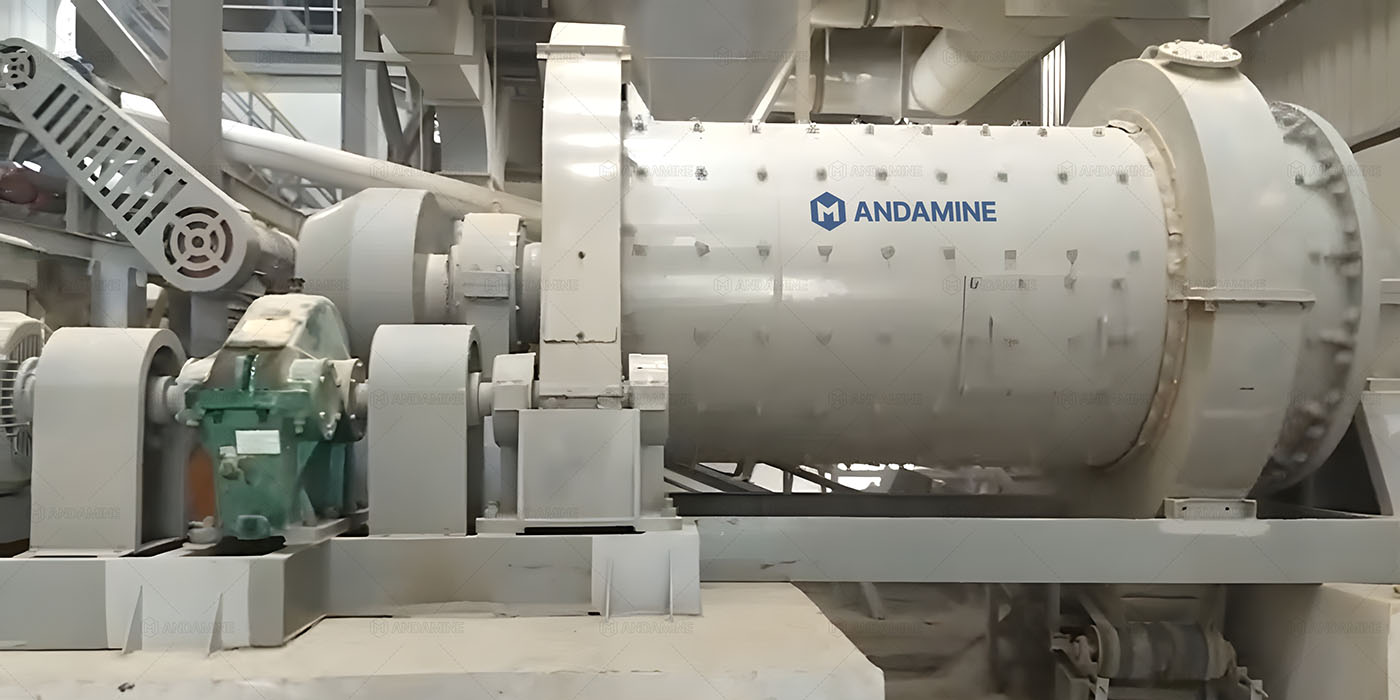
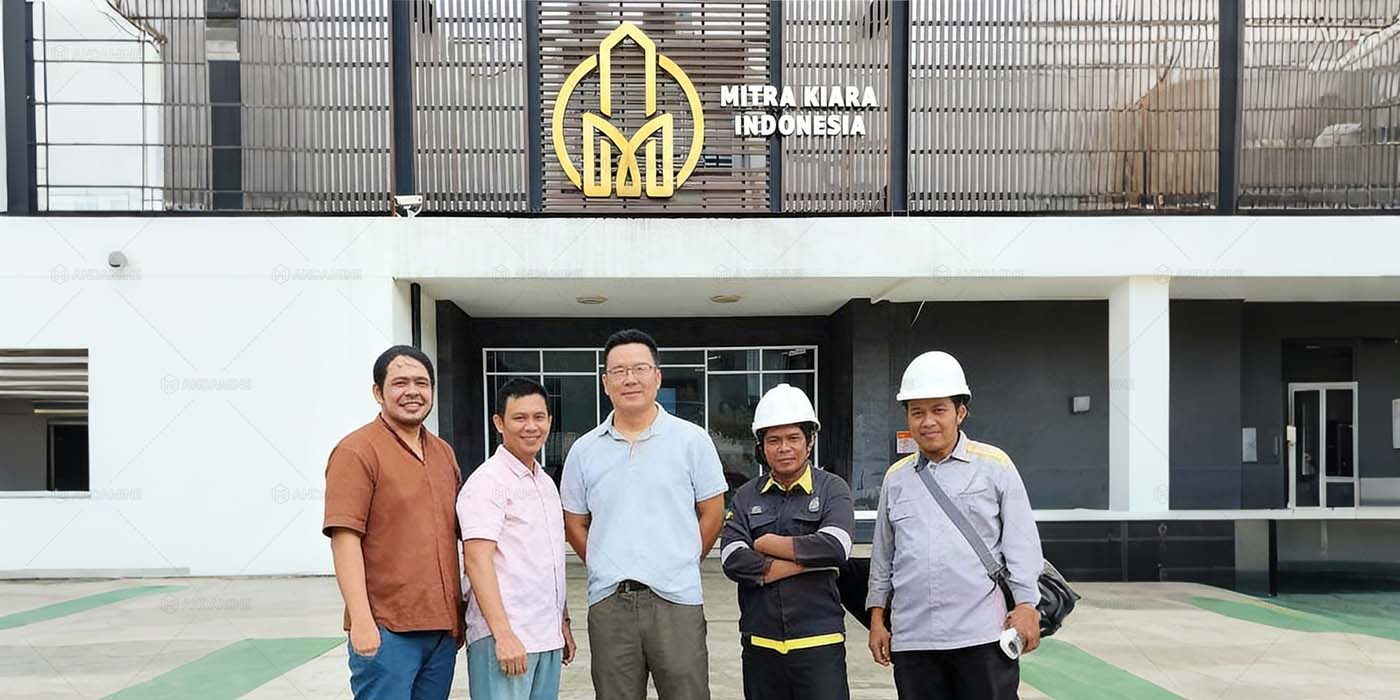
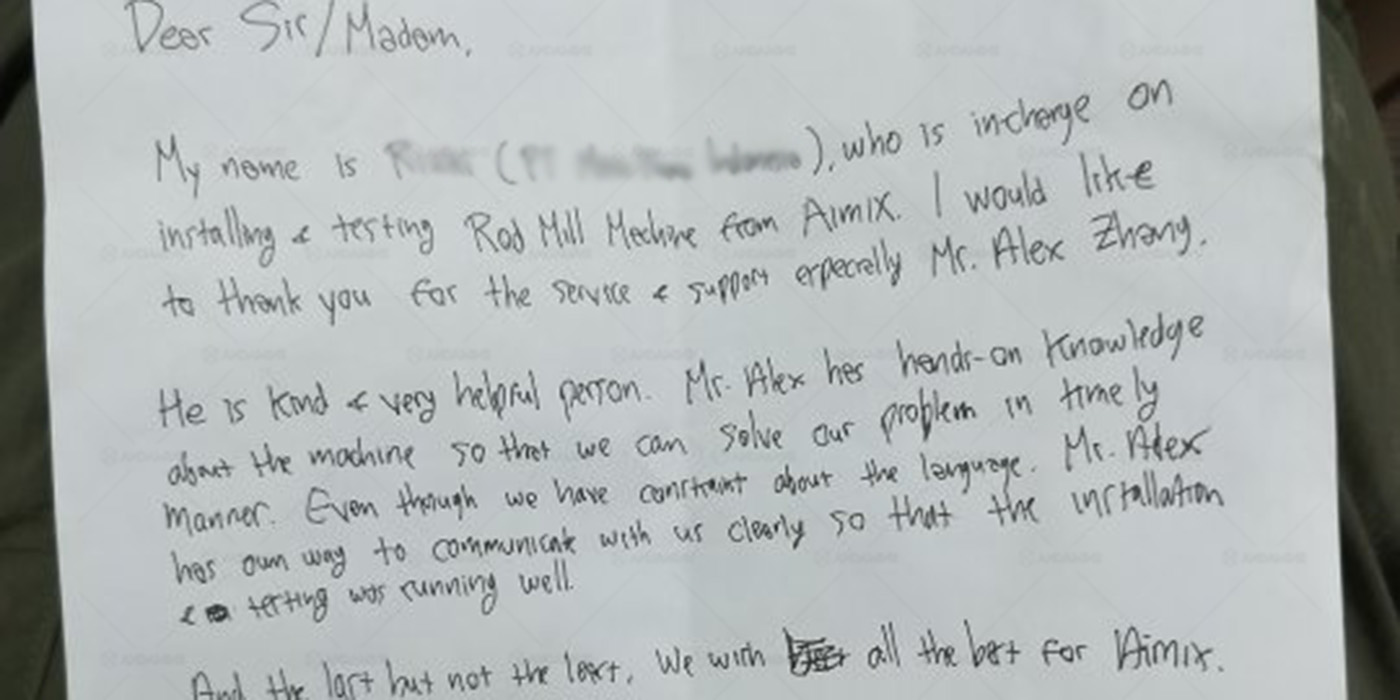
10TPH Grinding Rod Mill Equipment for Mortar Production in Indonesia
- Location: in Bogor Regency, Indonesia
- Capacity: 10TPH
- Feeding Size: ≤50mm
- Output Size: 0.5–3 mm
- Application: Producing Materials for Mortar Production
- Project Time: Jan, 2024
- Raw Materials: Limestone
- Customer Feedback: “Thanks to Mr. Alex Zhang for their professional support, ensuring smooth installation and commissioning of the grinding mill machine at MKI.”
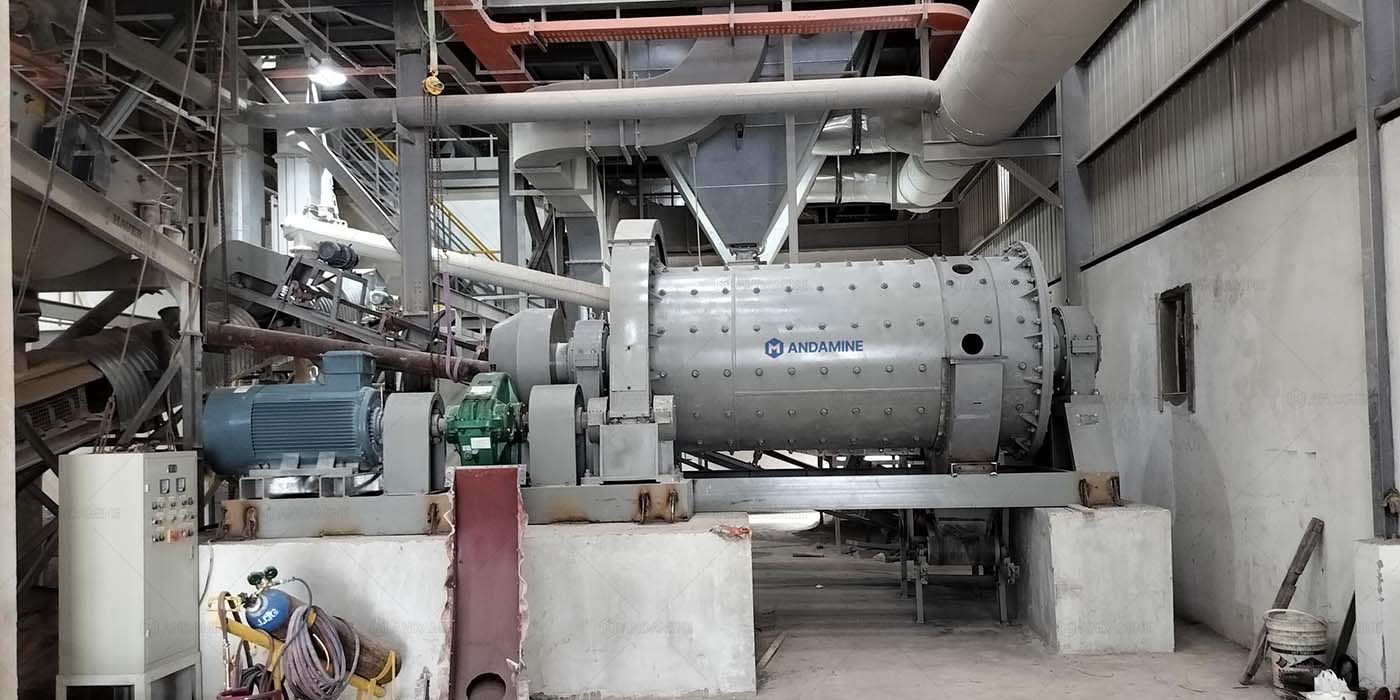
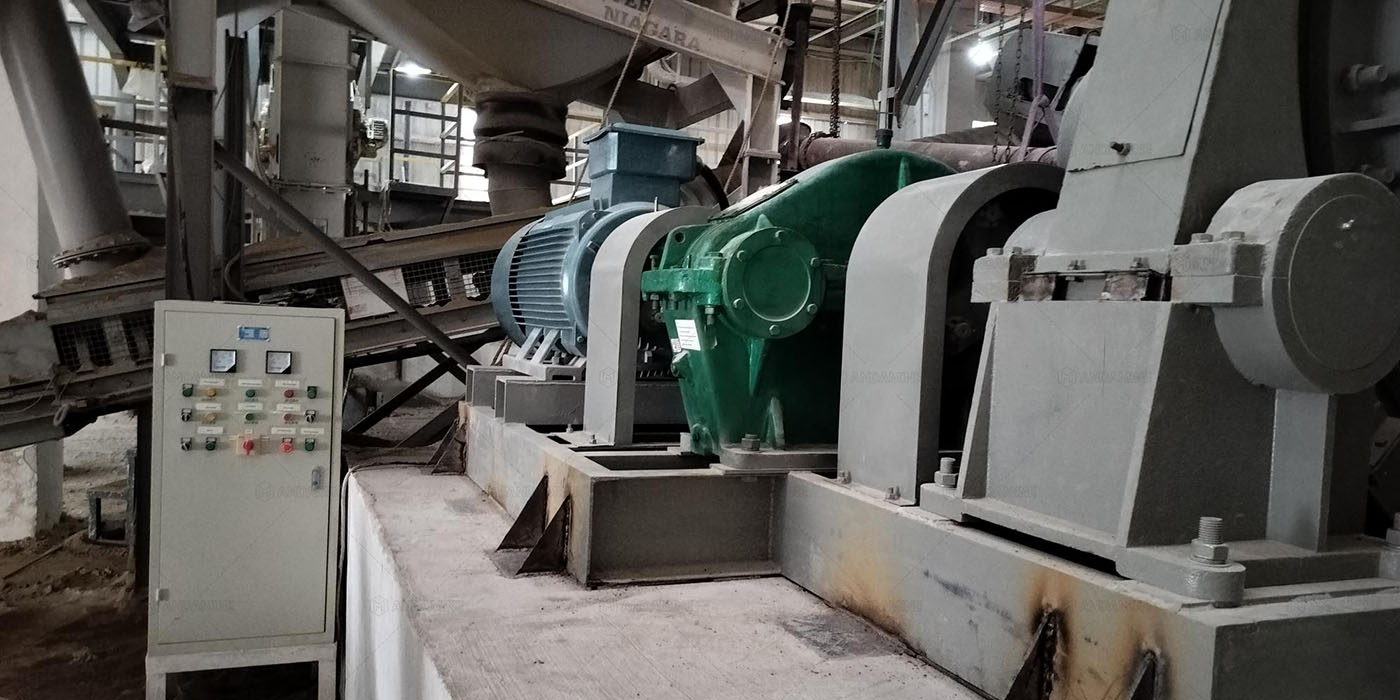
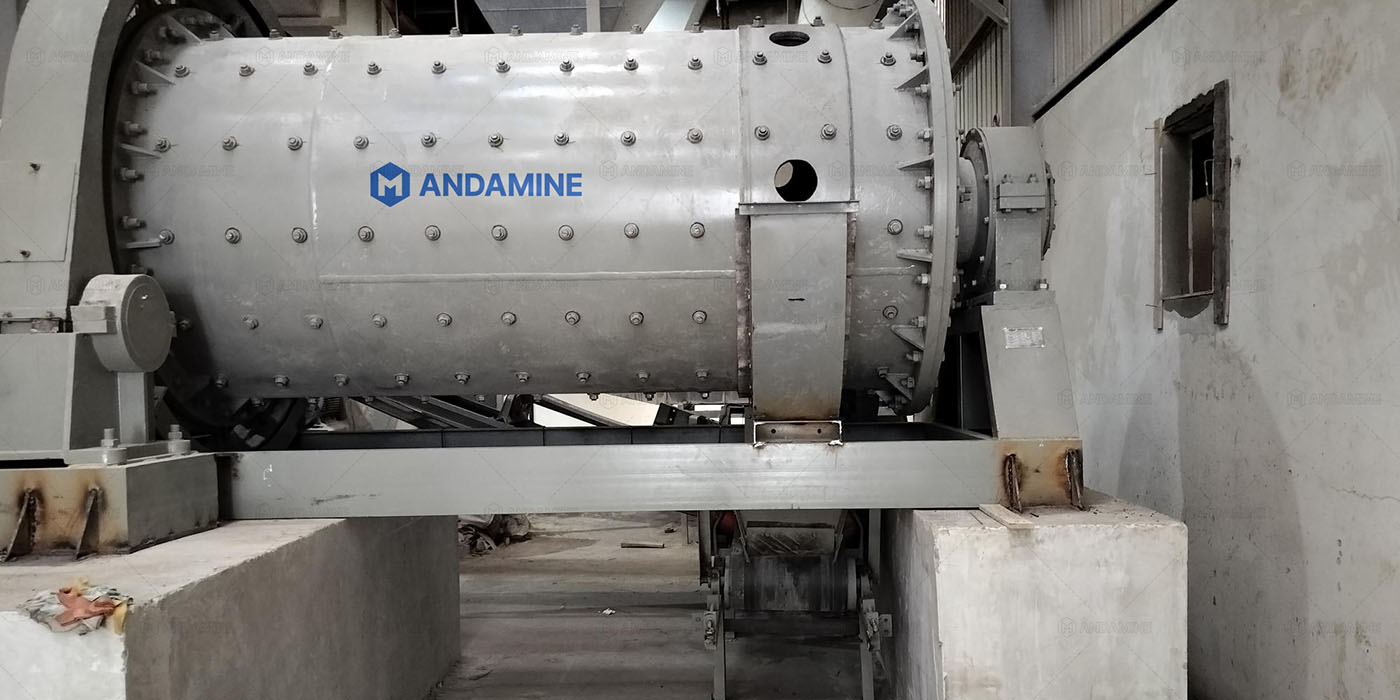
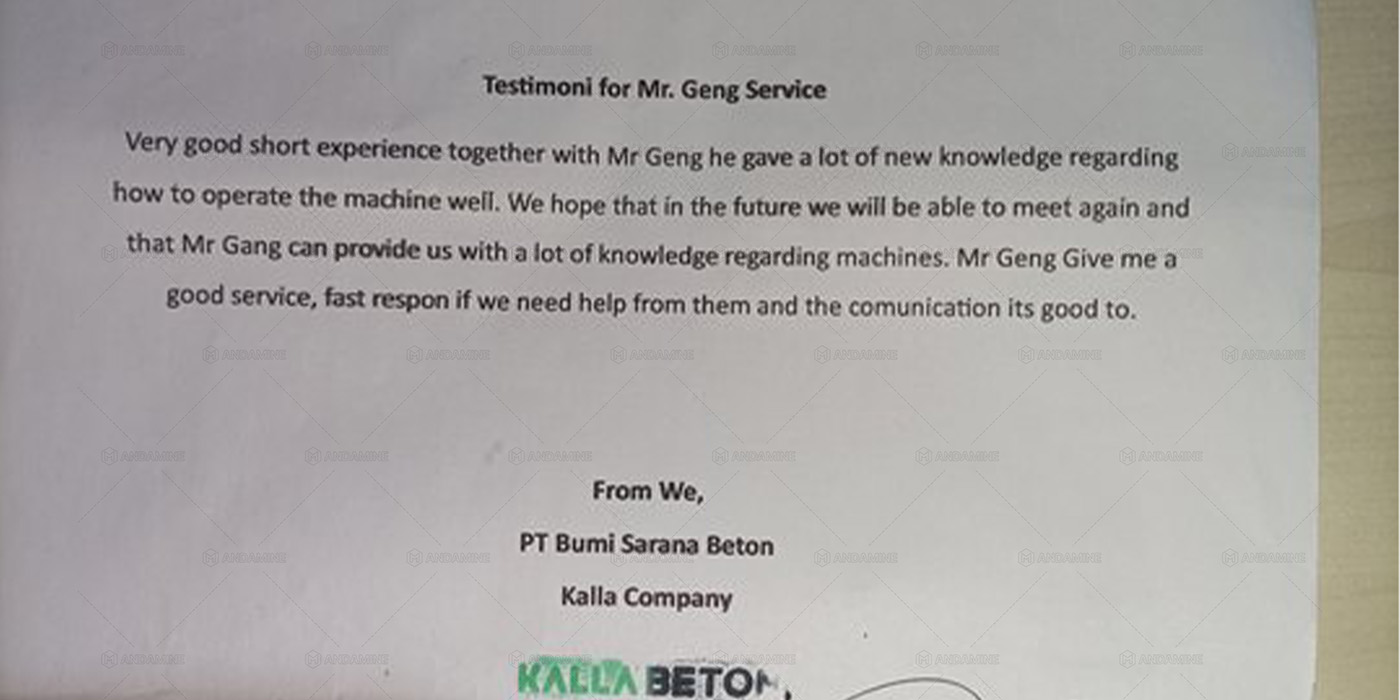
9TPH Rod Mill Machine for Cement Grinding in Indonesia
- Location: in Kabupaten Bogor, Indonesia
- Capacity: 9TPH
- Feeding Size: 5-10mm
- Output Size: 0.833-0.147mm
- Application: for Cement Grinding
- Power: 110KW
- Raw Materials: Limestone
- Feedback: “It was a great experience working with Mr. Geng. He shared lots of useful knowledge about how to operate the machine properly. He was very helpful, responded quickly whenever we needed support.”
After seeing why local contractors trust our mesin rod mill for sale, you might wonder whether they can support your projects. Keep reading to discover how our machines deliver stable, efficient, and customizable grinding for Indonesian construction and mining needs.
How Andamine Rod Mill Fits Your Projects in Indonesia?
Looking for a reliable rod mill grinder that delivers consistent results, saves energy, and suits your project needs? Andamine rod mill machines are excellent for stable operation and flexible configurations, making them ideal for concrete, road, and mining projects across Indonesia. Explore the rod mill diagram, key specs and features below to see how Andamine can support your work.
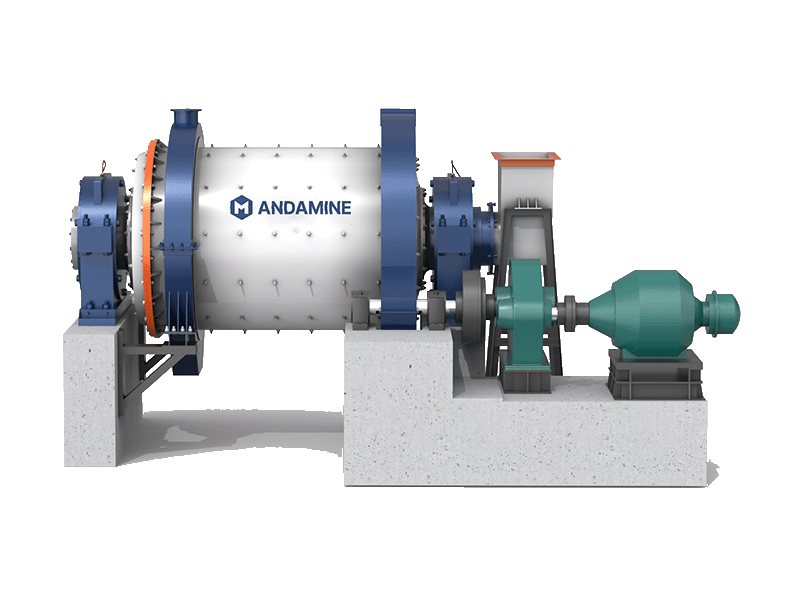
Andamine Rod Mill Machine for Sale
- Processing Capacity: 10–50 t/h
- Feeding Size: 25–50 mm
- Output Size: 0.5–5 mm
- Raw Materials: Sand, limestone, construction aggregates, medium-hard minerals
- Applicable Industries: Construction, road & bridge projects, concrete batching plants, small-scale mining
Rod Mill Machine Features
- Uniform Particle Size – 95% of output material within target size range (0.5–5 mm), minimal fines (≤5%).
- Stable & Efficient Operation – Average energy consumption 15–25 kWh per ton; downtime less than 2% per month.
- Customizable for Projects – Rod length 1.5–3 m, rotational speed 15–35 rpm, capacity adjustable to project needs.
- Low Maintenance & Long Lifespan – Steel rods last 12–18 months under normal operation; easy replacement within 1–2 hours.
Understanding how a jual rod mill fits your project is only the beginning. To achieve stable output and long-term performance, the right whole production system design matters. Keep reading to see how Andamine’s expert team creates customized grinding mill solutions for real Indonesian working conditions.
Expertly Designed Rod Mill Solutions for Your Indonesian Projects
Not sure how to choose the right rod mill crusher for your project after seeing our machines in action? Wondering if a solution can truly match your specific construction, road, or mining needs in Indonesia? With over 20 years of design experience, our expert team at Andamine creates customized milling solutions tailored to local conditions and project requirements. Keep reading to see one of grinding production line solution make project more efficient, reliable, and productive.
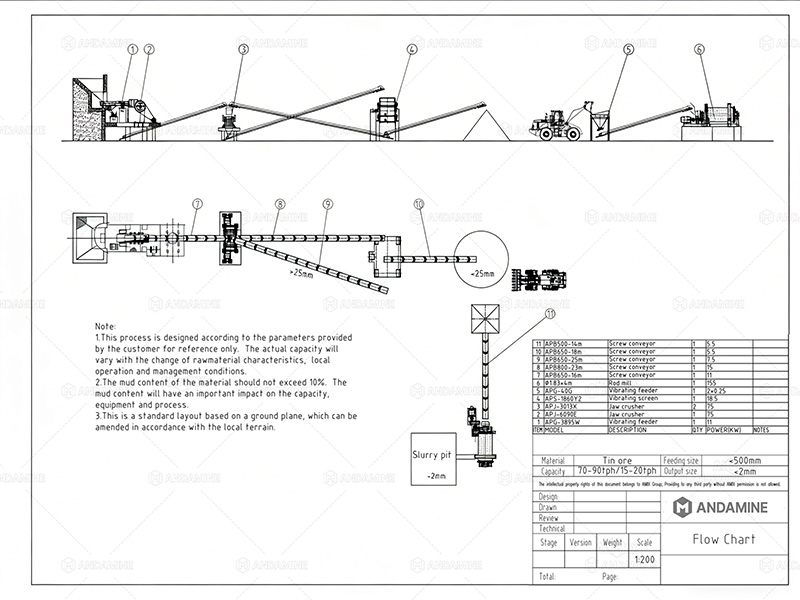
Tin Ore Crushing and Grinding Production Line Solution
- Raw Material: Tin Ore
- Output Size: ≤25mm
- Feeding Size: ≤500mm(Crushing), ≤2mm(Grinding)
- Capacity: 70-90TPH(Crushing), 15-20TPH(Grinding)
- Configuration: APG-3895W Vibration Feeder + APJ-6090E Jaw Crusher + 2*APJ-3013X Jaw Crushers + APG-40G Vibration Feeder + 1.83*4.0m Rod Mill + 5*Belt Conveyor
Summary: This solution is designed as a “Crushing → Screening → Rod Milling → Conveying” closed-loop process, with matched power distribution, smooth workflow, and uniform particle output. It ensures efficient and reliable tin ore grinding for Indonesian projects.
After seeing how our expert team tailors mesin penggiling rod mill solutions to your projects, it’s time to understand the Indonesian raw materials and downstream market trends that create the demand for such precise grinding solutions.
Indonesia Raw Materials & Downstream Product Demand Analysis
Indonesia’s construction and material processing market is one of the most active in Southeast Asia, driven by ongoing infrastructure development, urban expansion, and evolving material supply patterns. These trends create quantifiable demand for processed aggregates and controlled-size output — precisely the materials rod mill grinding plants help produce.
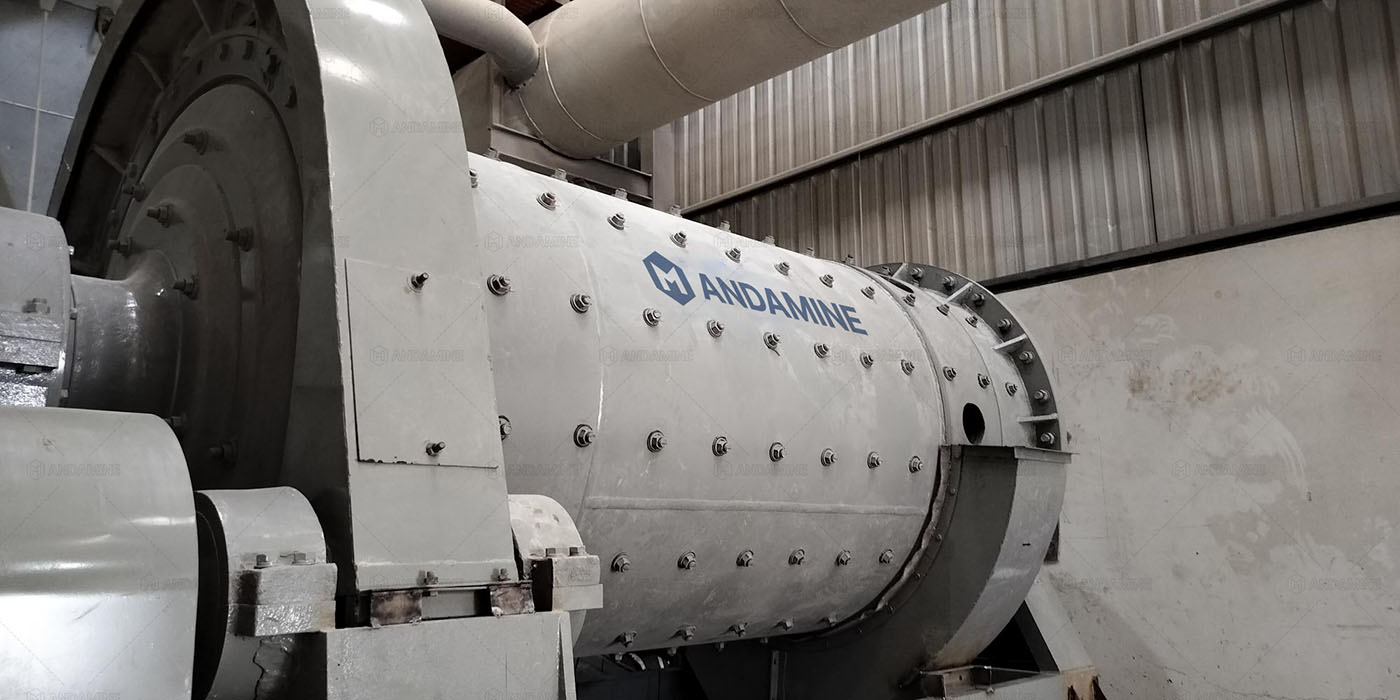
Quarry & Aggregate Base Resources — Foundation of Grinding Demand
Indonesia’s total aggregate consumption reached ~600–700 million tons, growing at about 5–7% annually.
This demand includes natural sand, river pebbles, and increasingly processed manufactured sand (M-sand).
Sand historically dominated quarry output — e.g., ~63.8 million m³ sand produced in 2022 — though volumes have tightened, prompting more reliance on manufactured sand.
Why mesin grinding rod mill fit here? Aggregates and manufactured sand require controlled particle size and reduced fines to meet concrete and structural material standards — exactly what grinding mills do when grinding medium-hard raw feeds.
Downstream Construction Material Demand — Size Meets Specification
Over 190,000 construction establishments contribute to sustained demand for building materials.
Government infrastructure funding for 2025–2029 is massive, exceeding IDR 5,400 trillion (~USD 35 billion), with key programs (Nusantara, Trans-Sumatra, Trans-Kalimantan) driving baseline material demand.
Manufactured sand’s share is rising — projected to move from ~36% in 2024 to over 60% by 2030 — due to environmental policies restricting natural sand.
Grinding mill relevance: Rod-mill-processed aggregates and sand help meet quality gradation and shape standards required in concrete batching plants and road base layers. Robust and uniform particle size drives mix design consistency and reduces material waste.
Industrial Minerals & By-Products — Emerging Grinding Opportunities
Gravel and crushed limestone are significant in quarry output, together accounting for tens of millions of cubic meters annually.
Tailings from nickel, tin and other ores — abundant in Sulawesi, Java, and Kalimantan — are increasingly repurposed for manufactured sand and fine mineral products.(Business Indonesia)
Tumbling mill value: Tumbling mills help convert coarse intermediate material and tailings into uniformly graded output suitable for concrete, precast, road subbase, and fill applications.
Market Insight — Why This Matters for Rod Mill Projects
Infrastructure pipeline: With major national builds underway, consistent supply of graded material remains critical.
Application breadth: Rod mill production lines can be used for coarse → medium grinding across multiple feed types (quarry stone, limestone, aggregate blend, industrial tailings), matching Indonesia’s wide raw resource portfolio.
👉 In short, Indonesia’s raw material base and end-use demand curves create a large and quantifiable market for size-controlled mineral products — exactly the output rod mills are designed to produce.
With clear demand from Indonesia’s construction and industrial sectors, the key lies in the processing method. The following section explains how a rod mill works and why it delivers stable, controlled grinding results.
Rod Mill Working Principle – How a Rod Mill Works
How does a rod mill work? Ever wondered how rod mills turn coarse materials into uniform, usable aggregates? Understanding the working principle helps you choose the right equipment for your Indonesian projects and ensures reliable operation, optimal efficiency, and consistent product quality. A rod milling machine is a type of grinding machine designed for coarse to medium grinding, using long steel rods as the grinding media. Here’s how it works step by step:
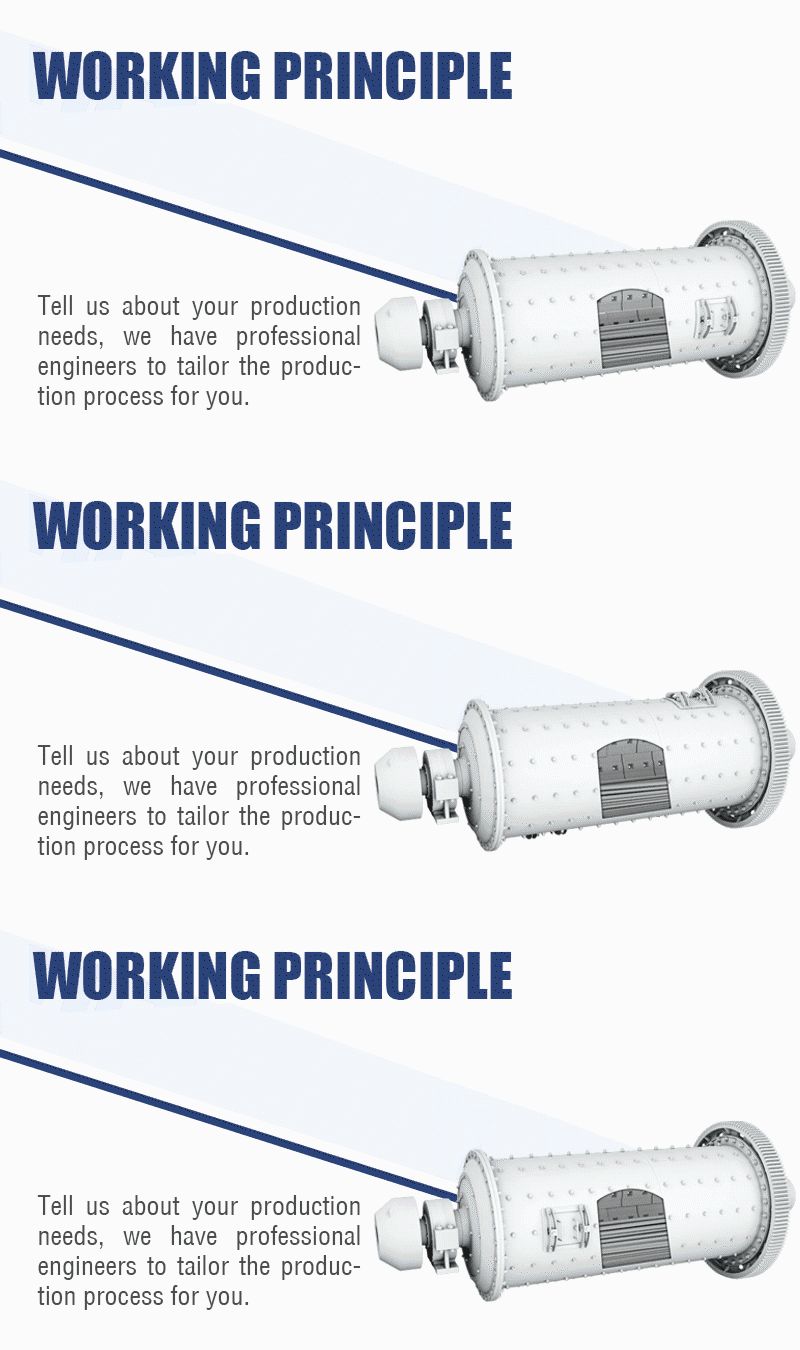
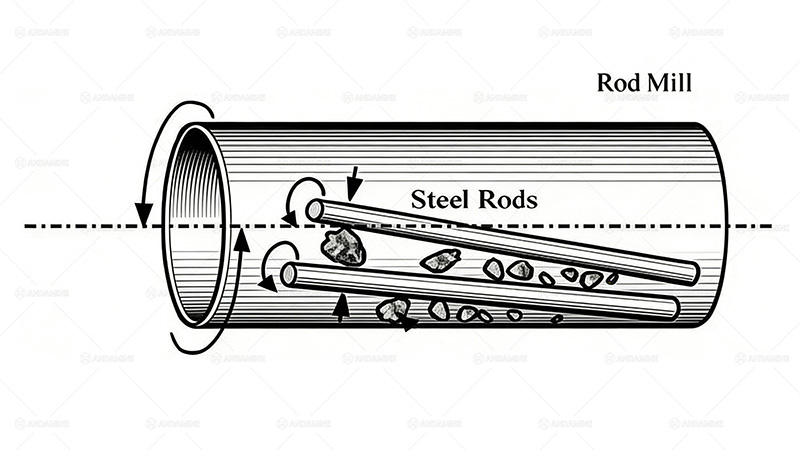
Drive Mechanism
The cylinder of the rod grinding mill is driven either by: An electric motor through a reduction gearbox and a large peripheral gear, or a low-speed synchronous motor directly via the large gear. This setup ensures the cylinder rotates steadily and efficiently.
Grinding Media Movement
Inside the cylinder, steel rods are arranged parallel to the cylinder axis. As the cylinder rotates, the rods are lifted by centrifugal force and friction to a certain height. Once lifted, the rods fall in a cascading or cataracting motion, hitting and grinding the material.
Material Feeding
Raw materials continuously enter through the feed opening. The falling rods crush the materials as they interact, reducing them to the desired size. This continuous feeding ensures steady production and uniform grinding.
Material Discharge
Continuous feeding and overflow remove the ground product. This ensures constant output flow, ready for the next stage in the processing line.
Now that you know the working principle of the milling machine, the next question is: how does it compare to a ball mill in real-world Indonesian applications? Let’s look at their differences and see which is the best fit for your materials and project goals.
Difference Between Rod Mill and Ball Mill – Rod Mill vs Ball Mill?
Ever wondered which grinding solution fits your Indonesian project best? Rod mills and ball mills may look alike and share similar grinding principles, but their design, grinding style, and product output are quite different. Learning the rod mill and ball mill comparison makes it easier to pick the right equipment for your local materials and project needs.
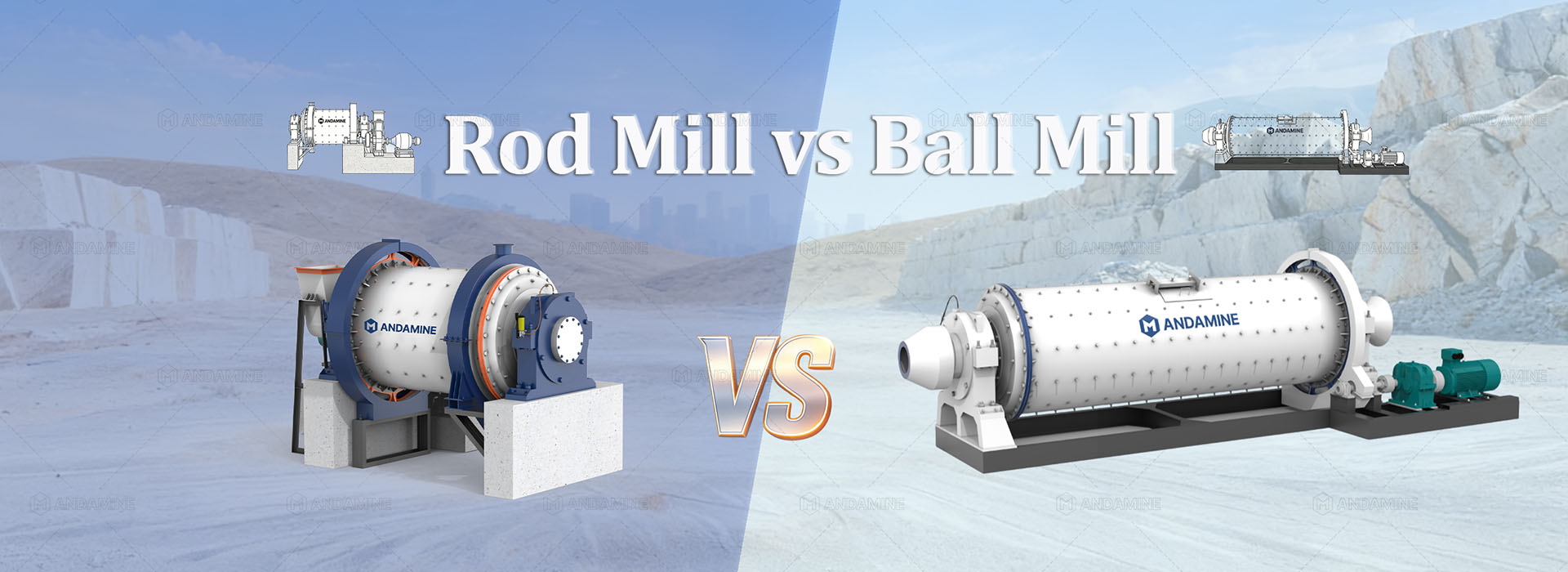
| Item | Rod Mill | Ball Mill |
|---|---|---|
| Grinding Media | Steel rods (typically Ø50–100 mm), line contact between rods | Steel balls, point contact between balls |
| Grinding Mechanism | More crushing and grinding by rolling and cascading | Strong impact and abrasion |
| Cylinder Shape & Speed | Longer cylinder (L/D ≈ 1.5–2.0), lower rotation speed to maintain cascading motion | Shorter cylinder (L/D ≈ 1.0–1.2), higher rotation speed |
| Product Particle Size | Coarse to medium size, uniform grading, minimal fines | Finer output, higher proportion of ultra-fine particles |
| Over-Grinding Tendency | Low — suitable for applications requiring size control | High — prone to excessive fines |
| Media Filling Ratio | About 35–45% | About 40–50% |
| Discharge Type | Overflow or open-end discharge only | Grid type or overflow type available |
| Operational Stability | Stable operation, less impact stress, smooth material flow | High impact forces, higher wear on liners and media |
| Typical Applications in Indonesia | Sand processing, limestone grinding, tin ore, tungsten ore, road base materials, pre-grinding stage | Cement raw meal, fine mineral grinding, finished powder production |
| Best Use Scenario | When uniform particle size and low fines are required | When fine or ultra-fine grinding is the main goal |
Rod Mill FAQs
What Is A Rod Mill?
When To Use A Rod Mill?
What Is A Rod Mill Used For?
What Materials Are Suitable For A Rod Mill?
Is A Rod Mill Suitable For Sand Making?
Typical Applications Of A Rod Mill
Road And Bridge Base Materials
Industrial Mineral Grinding
Pre-Grinding For Ore Processing
Tin, Copper, And Medium-Hard Ore Processing
What Is The Ideal Feed Size For A Rod Mill?
Can A Rod Mill Be Used For Wet Grinding?
What Are The Advantages Of Using A Rod Mill?
Reduces over-grinding and material loss
Handles medium-hard materials efficiently
Offers stable and continuous operation
Customizable for project-specific rod length, speed, and capacity
What Material Is Used For Rod Mills?
Get Your Customized Rod Mill Solution Today
Ready to boost efficiency and produce uniform, high-quality aggregates for your Indonesian projects? Our Andamine Rod Mills are great for stable operation, easy maintenance, and customizable capacity to meet your exact needs. Contact us now and let our experts design the perfect rod grinding mill solution and learn about the rod mill price for your site!

