30% Lower Energy Consumption with rolling bearing technology
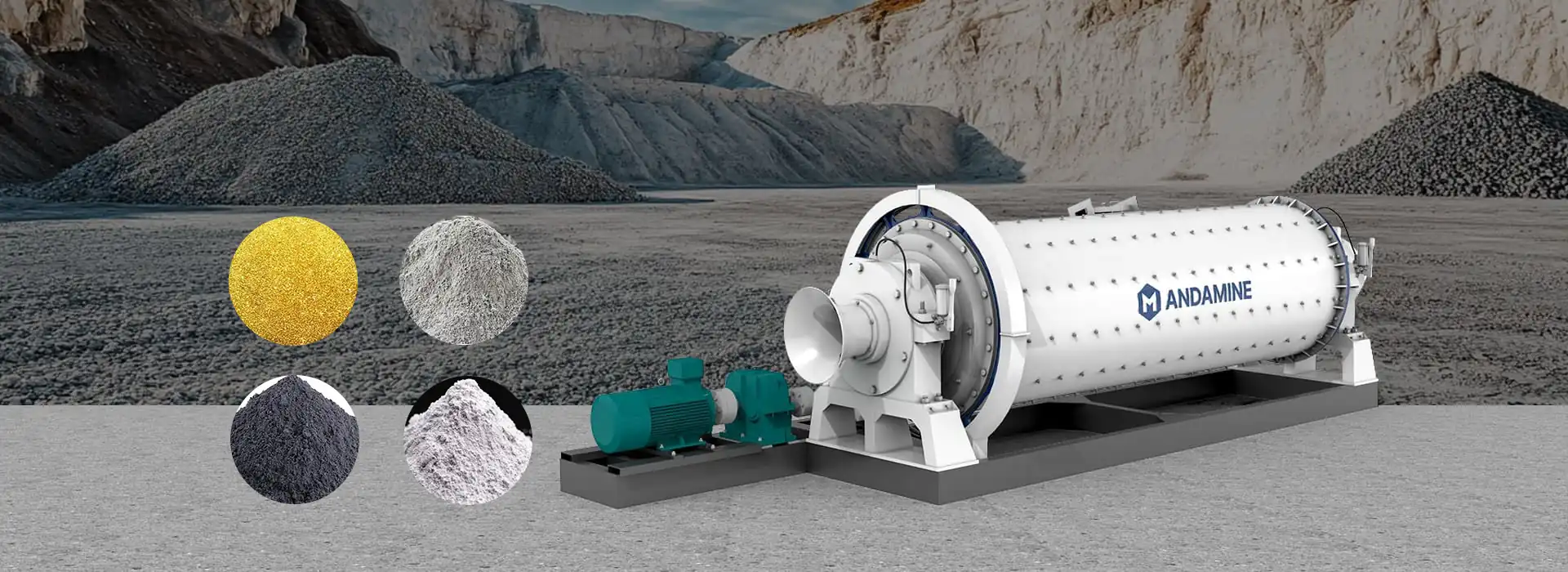
Are you processing hard stone or mineral ore that need finer particle sizes? In many Indonesian mining and cement projects, crushing alone cannot meet final product requirements. A ball mill machine is often the essential grinding stage transforming coarse material into consistent powder or finely ground material used in cement, chemical, silicate, glass ceramic, and non-ferrous metal industries. At ANDAMINE, we provide ball mill solutions adapted to Indonesian project conditions, from remote mining sites to integrated processing plants.
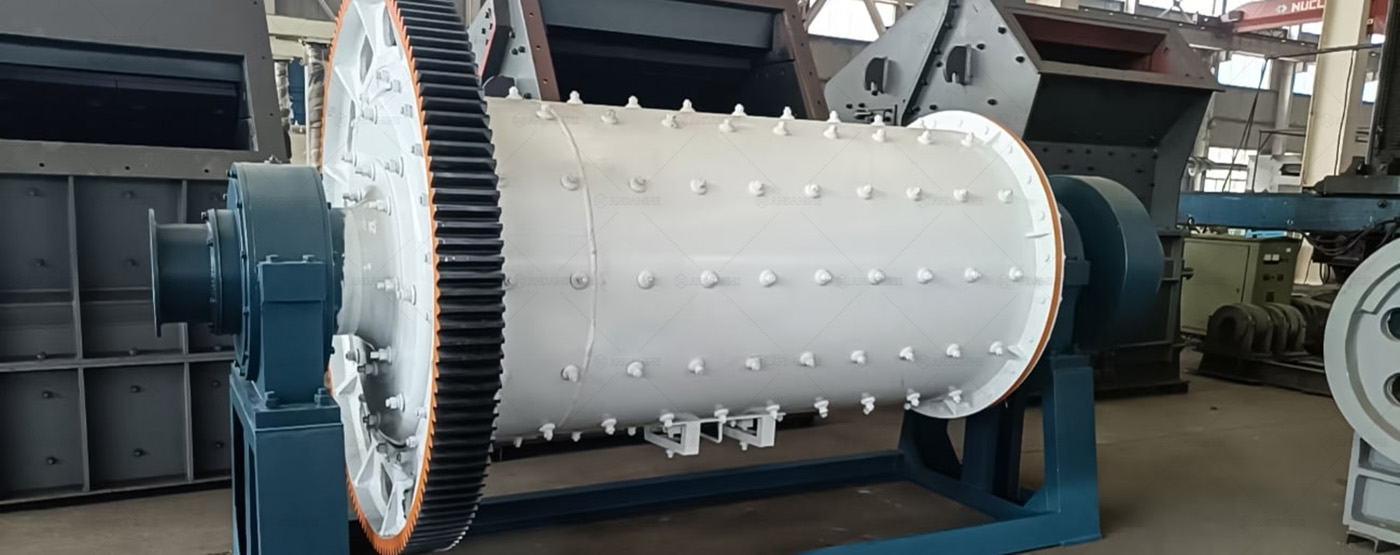
What Are the Main Types of Ball Mill Used in Indonesia?
How many ball mill types are there? In Indonesia, ball mills are widely used in mining beneficiation and cement production, where different materials and project scales require different grinding solutions. From mines in Sulawesi and Kalimantan to cement plants in Java, achieving consistent fine particle sizes is a common challenge. Based on local application experience, types of andamine grinding milling equipment used in Indonesia are mainly classified by grinding method and discharge type.
| Ball Mill Type | Structural Features | Typical Materials | Key Advantages | Typical Applications |
|---|---|---|---|---|
| Dry Ball Mill | Dry grinding without water; air flow or fan-assisted discharge; horizontal rotating cylinder; simple feeding and discharging system | Cement clinker, limestone, coal, fly ash and other building materials | No water consumption; easy maintenance; suitable for areas with limited water resources | Cement plants, building material processing plants, industrial park projects |
| Wet Ball Mill | Grinding with water inside the cylinder; high steel ball loading; overflow or grate discharge structure | Gold ore, copper ore, iron ore, nickel ore and other metallic minerals | Excellent fine grinding performance; ideal for mineral beneficiation; compatible with flotation and magnetic separation processes | Mining companies and beneficiation plants, especially in Sulawesi, Kalimantan and Papua |
| Overflow Ball Mill | Natural overflow discharge; uniform steel ball distribution; simple structure; easy installation and maintenance | Secondary grinding; fine grinding applications | High fineness of final product; stable operation; easy to operate | Small to medium-sized mines requiring stable and consistent grinding performance |
| Grate Type Ball Mill | Grate plate at the discharge end for forced discharge; layered steel ball arrangement; high throughput design | High-capacity ore grinding lines | High processing capacity; suitable for continuous and large-scale production | Large-scale nickel and iron ore projects; state-owned or foreign-invested mining operations |
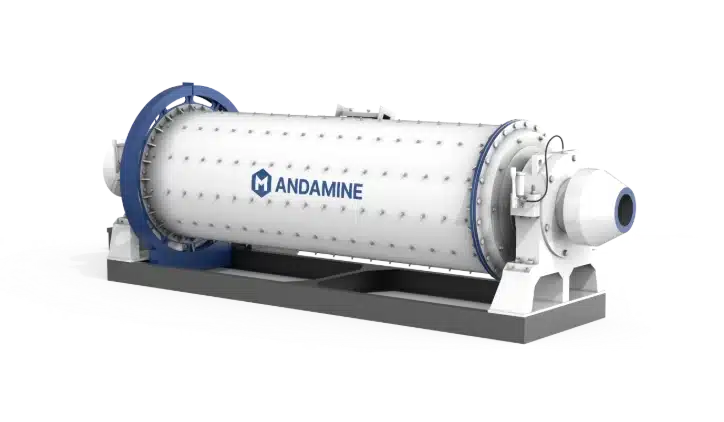
Grinding Ball Mill for Sale
Processing Capacity: 1-100t/h
Feeding Size: ≤25mm
Output Size: 0.047-0.5mm
Raw Materials: Gold ore, copper ore, iron ore, nickel ore, limestone, cement clinker, coal, fly ash, quartz, feldspar
Applicable Industries: Mining and mineral processing, cement and building materials, metallurgy, chemical industry
Advantages: With rolling bearings and robust cylinder design, tumbling mill runs smoothly with high efficiency, reduces energy consumption by 10–20%, increases output by 10–20%.
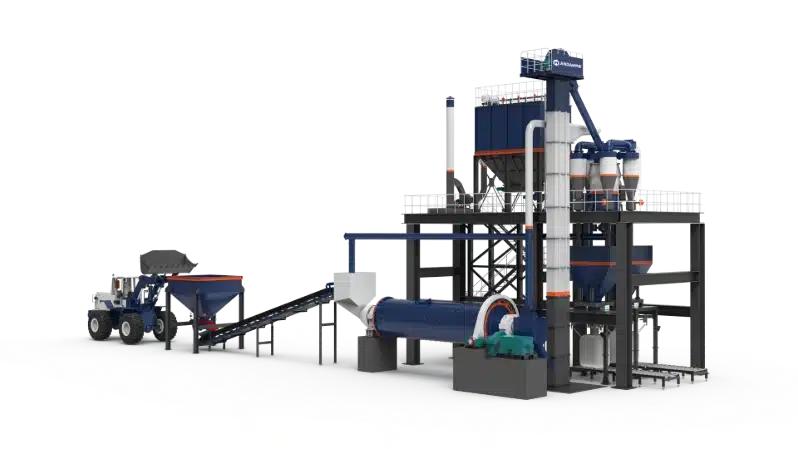
Ball Mill Grinding Line with Air Classifier
Processing Capacity: 20–386 t/h
Feeding Size: ≤25mm
Output Size: 0.074–0.89 mm
Raw Materials: Mining, cement, limestone, gold, nickel, and other local ores and building materials.
Applicable Industries: Ideal for mineral processing, cement grinding, and fine powder applications in local projects.
Ball Mill Advantages: Optimized grinding and classification in a single line, ensuring uniform powder quality, low maintenance, and dust-controlled performance.
Now that you have an overview of the main types of tumbling mills commonly used in Indonesia, it’s time to explore their detailed technical specifications. The following table provides key parameters such as processing capacity, feeding and output sizes, and applicable materials, helping you quickly find the right ball and mill for your project.
What Are the Ball Mill Specifications in Indonesia
Looking for a tumbling mill that fits your mining or construction project in Indonesia? As one of excellent ball mill manufacturers, we show the detailed technical specifications below to compare processing capacity, feeding size, and output size, —making it easier to choose the most efficient solution for your local site conditions.
| Model | Rotate Speed (r/min) | Grinding Media Weight (T) | Feed Size (mm) | Discharge Size (mm) | Capacity (t/h) | Motor Power (kW) | Weight (T) |
|---|---|---|---|---|---|---|---|
| Φ900×1800 | 36 | 1.5 | ≦20 | 0.075-0.89 | 0.65-2 | 18.5 | 5.5 |
| Φ900×3000 | 38 | 2.7 | ≦20 | 0.075-0.89 | 1.1-3.5 | 22 | 6.7 |
| Φ1200×2400 | 36 | 3 | ≦25 | 0.075-0.6 | 1.5-4.8 | 30 | 12 |
| Φ1200×3000 | 36 | 3.5 | ≦25 | 0.074-0.4 | 1.6-5 | 37 | 12.8 |
| Φ1500×3000 | 32.4 | 7.5 | ≦25 | 0.074-0.4 | 2-5 | 75 | 16.8 |
| Φ1500×4500 | 29.7 | 11 | ≦25 | 0.074-0.4 | 3-6 | 110 | 21 |
| Φ1830×4500 | 25.4 | 15 | ≦25 | 0.074-0.4 | 4.5-12 | 155 | 35.5 |
| Φ1830×7000 | 24.1 | 23 | ≦25 | 0.074-0.4 | 7.5-17 | 245 | 43.8 |
| Φ2100×3000 | 23.7 | 15 | ≦25 | 0.074-0.4 | 6.5-36 | 155 | 34.8 |
| Φ2100×4500 | 23.7 | 24 | ≦25 | 0.074-0.4 | 8-43 | 245 | 42 |
| Φ2200×4500 | 21.5 | 27 | ≦25 | 0.074-0.4 | 9-45 | 280 | 51.8 |
| Φ2200×7500 | 21.7 | 35 | ≦25 | 0.074-0.4 | 15-30 | 380 | 64.8 |
| Φ2400×3000 | 21 | 23 | ≦25 | 0.074-0.4 | 7-50 | 245 | 58 |
| Φ2400×4500 | 21 | 30 | ≦25 | 0.074-0.4 | 8.5-60 | 320 | 69 |
| Φ2700×4500 | 20.7 | 48 | ≦25 | 0.074-0.4 | 12-90 | 480 | 102 |
| Φ3200×4500 | 18 | 65 | ≦25 | 0.074-0.4 | 25-120 | 630 | 137 |
| Φ3600×4500 | 17 | 90 | ≦25 | 0.074-0.4 | 25-140 | 850 | 158 |
| Φ3600×6000 | 17 | 110 | ≦25 | 0.074-0.4 | 25-160 | 1250 | 175 |
| Φ4000×6000 | 16.9 | 146 | ≦25 | 0.074-0.4 | 65-248 | 1600 | 218 |
| Φ4500×6400 | 15.6 | 172 | ≦25 | 0.074-0.4 | 54-306 | 2000 | 280 |
Having seen the detailed technical specifications of our ball mill plants—covering capacity, feed and output size, and suitable materials—you might be wondering which model best fits your Indonesian project. The next section guides you through key selection factors, and practical recommendations, helping you choose the right ball mill for sale in Indonesia.
How to Choose the Right Ball Mill for Your Project in Indonesia?
Not sure which tumbling mill to choose for your Indonesian mining or construction project? Consider material type, capacity, feed size, and output fineness. The table below summarizes key selection factors and quantitative references to help you pick the most suitable industrial ball mill for Sulawesi, Kalimantan, Java, or Sumatra projects.
| Selection Dimension | Key Factors | Quantitative Reference | Recommended Type | Indonesian Context | Notes / Application | Maintenance & Reliability | ROI / Cost Consideration |
|---|---|---|---|---|---|---|---|
| Material Characteristics | Hardness, abrasiveness, moisture content | Hardness: 3–8 Mohs; Moisture ≤10% (dry mills) | Wet Ball Mill for metallic ores; Dry Ball Mill for building materials | Gold, nickel, copper ores in Sulawesi/Kalimantan/Papua; cement/limestone in Java/Sumatra | Wet mills integrate with flotation/magnetic separation; dry mills with cement lines | Steel balls replaceable every 6–12 months; cylinder inspection 500–1000 hrs | Ensures consistent product quality; reduces processing loss |
| Production Capacity | Daily/weekly tonnage, project scale | Small: 1–10 t/h; Medium: 10–50 t/h; Large: 50–100 t/h | Match mill type to project scale | Small mines, pilot projects, industrial parks | Select cylinder diameter & length to match output | Minimal downtime with rolling bearings | Higher capacity reduces per-ton cost |
| Grinding Fineness & Feed Size | Max feed size, desired output fineness | Feeding ≤25 mm; Output 0.047–0.5 mm | Adjust cylinder and ball size | Suitable for ores and building materials across Indonesia | Fine grinding for mineral beneficiation or cement | Easy to adjust; long service life | Achieve target fineness efficiently, lowering regrind cost |
| Energy Efficiency | Bearing type, electricity consumption | Rolling bearings save 10–20% energy | Prefer rolling bearing mills | High electricity price regions in Indonesia | Energy savings critical for continuous operation | Bearings require less maintenance | Reduced energy cost, improves ROI |
| Production Efficiency | Throughput, continuous operation | 24/7 operation; production increase 10–20% with same power | Rolling bearing mills | Mining and construction sites nationwide | Supports batch or continuous process | Smooth operation, low vibration | Higher output reduces overall project duration |
| Local Site Conditions | Humidity, temperature, dust | Tropical climate; sealed negative-pressure operation | Sealed mills | Humid, rainy, coastal, or remote Indonesian sites | Dust control improves safety & compliance | Robust frame resists corrosion | Reduces maintenance downtime and environmental penalties |
| Maintenance & Reliability | Ease of inspection, replacement of wear parts | Maintenance interval: 500–1000 hrs; Steel ball life: 6–12 months | Robust structure | Remote mines & construction sites | Standardized parts reduce downtime | Easy to operate, long-term continuous run | Lower maintenance cost improves overall ROI |
| Budget & ROI | Initial investment, operating cost | Payback 1–3 years depending on scale & efficiency | Choose energy-efficient & appropriate capacity | Small to large-scale Indonesian projects | Balance capex vs opex | High reliability reduces replacement cost | Optimized ROI, better project economics |
Understanding how to choose the right grinding ball mill is just the first step. Next, see our ball mill for grinding in action across Indonesia, delivering reliable performance and measurable results for mining and construction projects.
See Our Mesin Ball Mills Deliver Results Across Indonesia
Wondering if Andamine high energy ball mills really perform in Indonesia? From nickel mines in Sulawesi to cement plants in Java, our grinding mill has proven reliable, efficient, and easy to operate under local conditions. Scroll through real local projects and see the results for yourself.
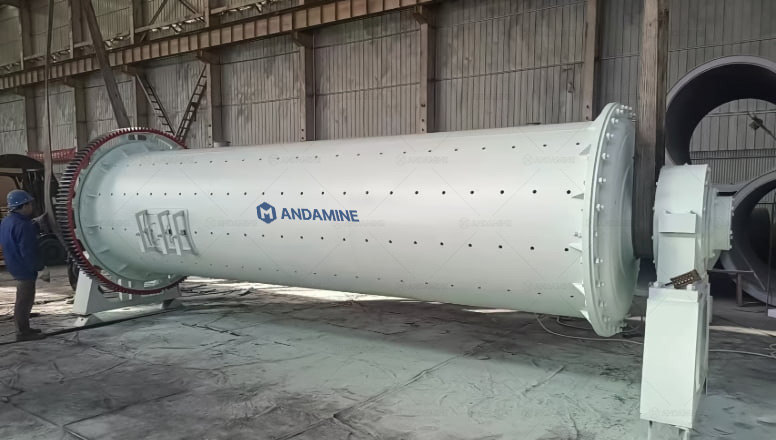
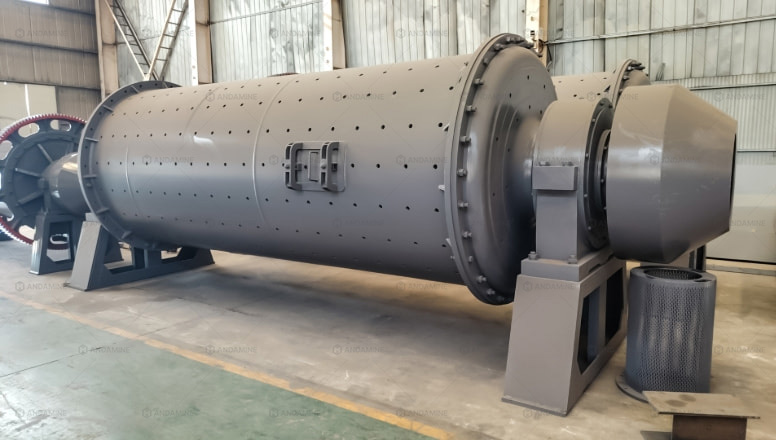
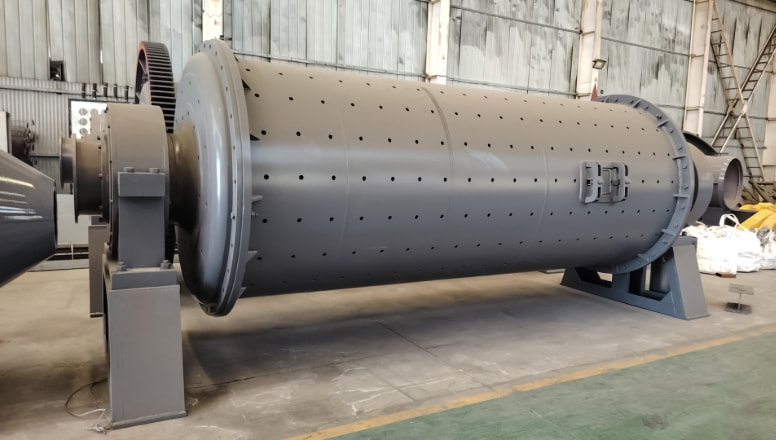
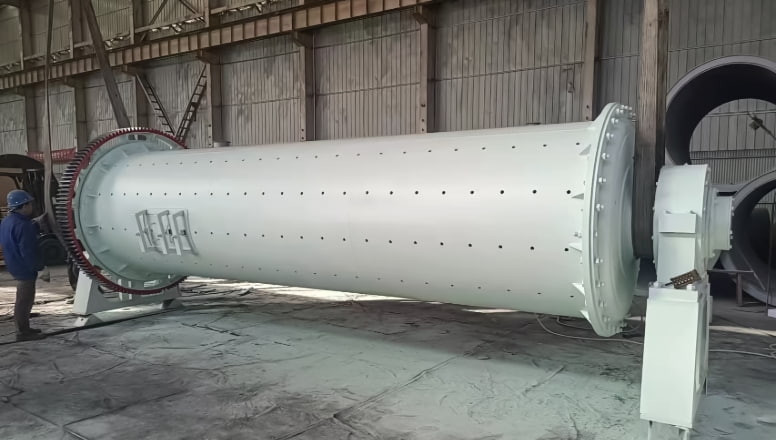
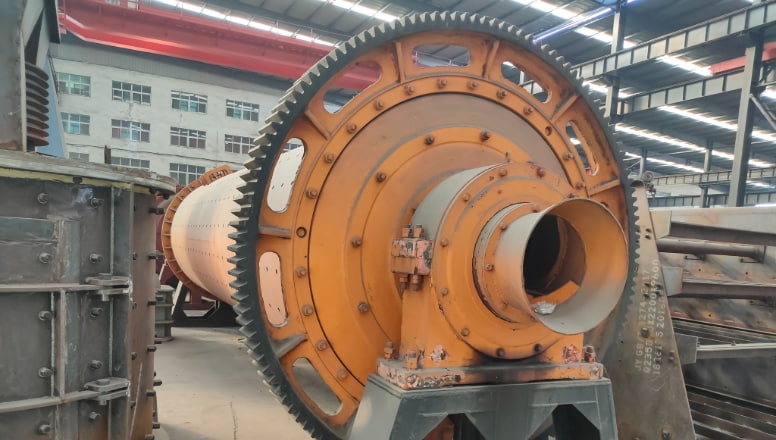
12.5TPH Grinding Ball Mill for Cement Grinding in Indonesia
- Location: in Bawu, Indonesia
- Capacity: 12.5TPH
- Feeding Size: ≤25mm
- Output Size: 200mesh
- Application: for Cement production
- Project Time: Nov. 2024
- Raw Materials: Limestone
- Customer Feedback: “The 12.5TPH small ball mill for sale in our Bawu cement plant runs smoothly and produces consistent 200mesh limestone. Stable performance and low maintenance—perfect for Indonesian conditions.”
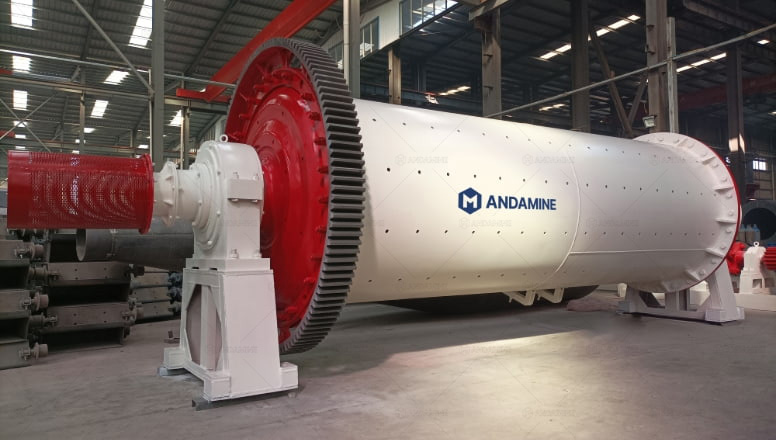
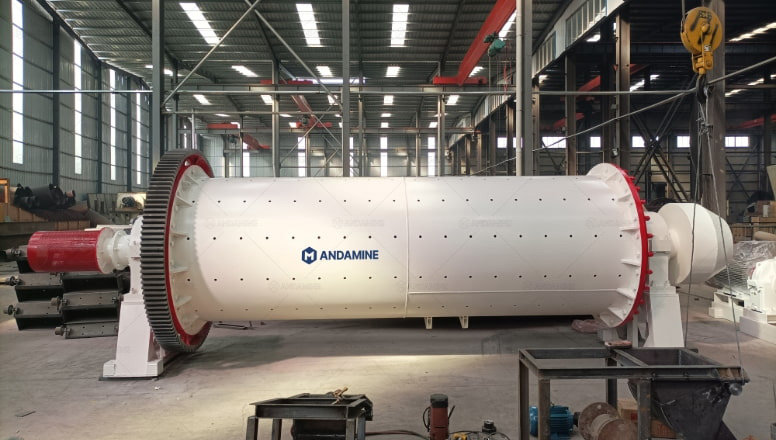
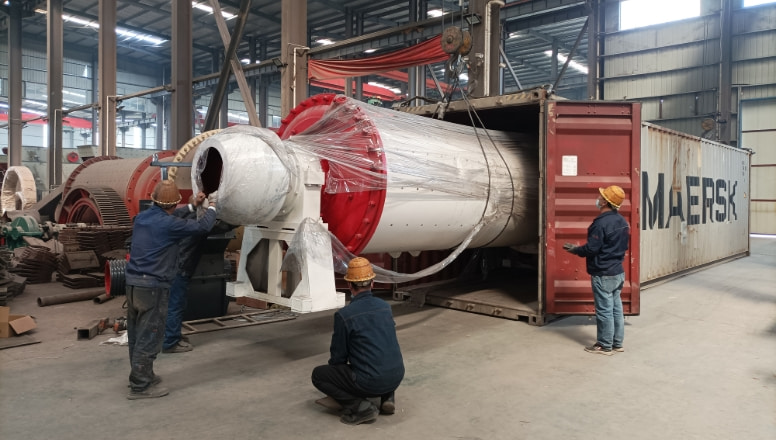
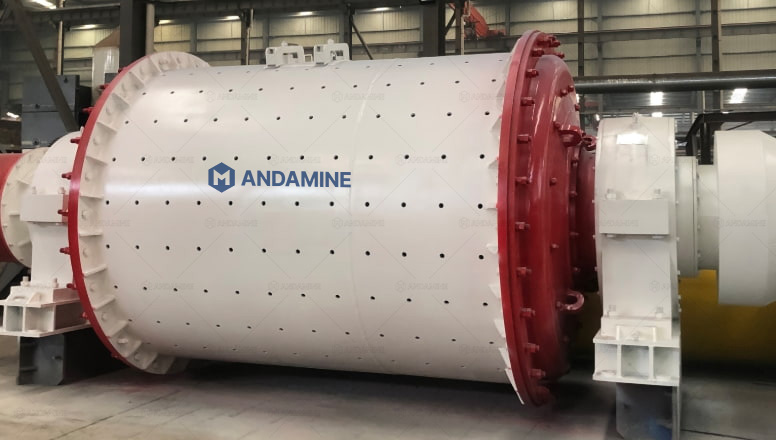
5TPH Mini Ball Mill Machine Running Well For Gold Processing
- Location: in Salvador
- Capacity: 5TPH
- Feeding Size: ≤25mm
- Output Size: 0.074-0.4mm
- Application: for Refining gold
- Project Time: Nov. 2022
- Raw Materials: Gold Mine
- Customer Feedback: “Since installing the 5TPH ball mill mini at our Salvador gold mine, it has been running smoothly and consistently produces fine gold ore. Very satisfied with its performance and efficiency.”
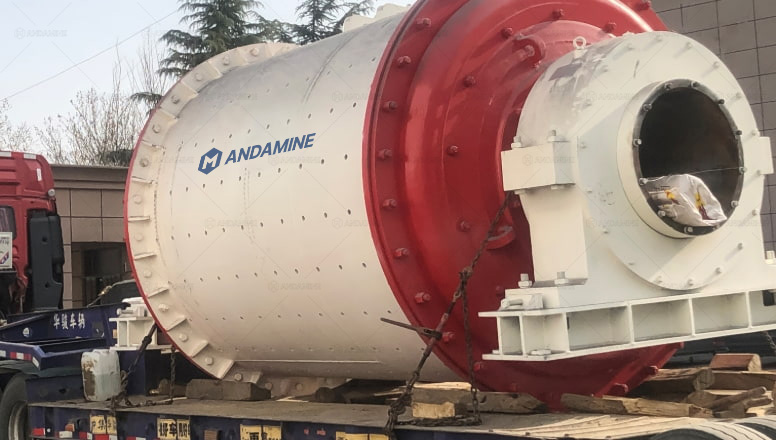
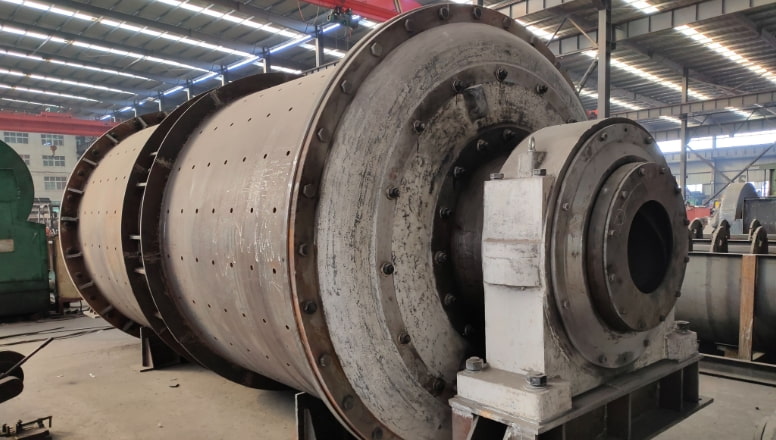
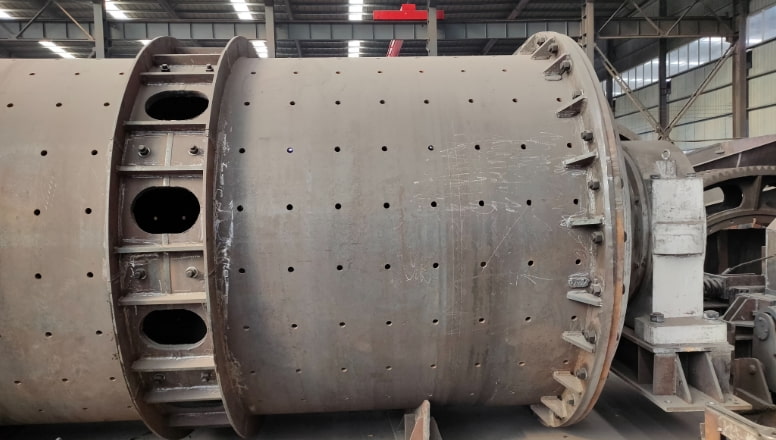
40TPH Ball Mill For Gold Mining
- Location: in Indonesia
- Capacity: 40TPH
- Feeding Size: ≤25mm
- Output Size: 0.074-0.4mm
- Application: for Gold Abstraction
- Balls: Steel balls
- Raw Materials: Gold Mine
- Customer Feedback: “The 40TPH ball mill grinder installed in our Indonesian gold mine works perfectly. It efficiently grinds gold ore to 0.074–0.4 mm, runs steadily with steel balls, and supports high-capacity production with minimal downtime.”
These successful projects across Indonesia show what our ball and mills can achieve in real operations. To better understand why they deliver such stable and efficient results, let’s take a closer look at the working principle of a ball mill grinding plant.
What is the Working Principle of Ball Mill?
How ball mills work? A ball mill machine works by feeding material into a rotating cylinder filled with steel balls. As the drum rotates, the balls are lifted and then fall under gravity, crushing and grinding the material through impact and friction. This simple yet powerful mechanism ensures continuous fine grinding for mining, cement, and construction materials. Watch the working process in action in the Youtube video below.
Understanding the working principle explains how materials are ground inside a ball mixer machine. The next step is to see why this process matters in practice. In Indonesia’s construction and mining industries, tumbling mills are not only machines—they are key assets that support output quality, efficiency, and long-term investment value.
Why Investing in a Ball Mill Indonesia Makes Strategic Sense?
In Indonesia, rapid construction growth and a booming mining sector are driving unprecedented demand for finely ground materials. From cement plants in Java to nickel and gold operations in Sulawesi and Kalimantan, grinding ball mill crusher outputs are essential for high-quality production. Understanding how these materials feed into different industries highlights why investing in a ball grinding mill today is both practical and strategic.
Cement & Construction Materials – A Core Growth Pillar
- Indonesia’s cement market was estimated at over 72.6 million tonnes in 2024 and is forecast to grow toward 109 million tonnes by 2030, with a compound annual growth rate (CAGR) of around 7%. This reflects ongoing residential, commercial and infrastructure spending. (Mordor Intelligence)
- Cement production requires consistent grinding of raw materials like limestone and clinker to fine powder (e.g., ~200 mesh), which ball grinding mills reliably deliver. This powder becomes feedstock for producing standard and specialty cement types used nationwide.
- As urbanization and infrastructure programs (roads, housing, industrial parks) expand, demand for high-quality cement continues to rise — directly supporting the need for efficient grinding solutions.
👉Tumbling mill grinding machine outputs such as fine limestone and clinker powder are essential feedstock for Indonesia’s cement industry.
Mining Sector – From Nickel to Gold and Beyond
- Indonesia is a global mining heavyweight, especially for nickel, and has rich resources of copper, tin, iron and gold. Government reforms encourage mineral processing development domestically to add value beyond raw ore exports. (Reuters)
- Ball mill grinding machines are key to mineral beneficiation — they grind ore to sizes suitable for flotation, gravity separation, and leaching. Properly ground material improves recovery rates and downstream process efficiency.
- With the country actively promoting domestic mineral processing capacities, ball milling becomes not just a production step but a strategic enabling technology.
👉 Fine ore particles from grinding ball mill equipment directly supports mineral separation and metal extraction processes.
Building Materials Beyond Cement
- Indonesia’s broader building materials markets (e.g., dry mix mortar, plaster, fillers) are expanding in tandem with construction growth. For example, the dry mix mortar market is growing at ~6.6% CAGR from 2024 to 2030.
- These industries require uniform, fine powder feedstocks that ball grinders efficiently produce for quality and performance consistency.
👉 Ground materials are foundational inputs in precast, plaster, mortar, and industrial filler products.
Rising Demand for Reliability & Efficiency
- Globally, the tumbling mill market (for mining and industrial applications) is growing with increasing emphasis on energy efficiency and higher throughput equipment.
- In Indonesia, the combination of construction demand, growing domestic mineral processing, and supportive policies for downstream industries means tumbling mills are not just useful but increasingly necessary to meet production quality and cost targets.
Ball Grinding Machine FAQs in Indonesia
If you are working on a cement or mining project in Indonesia, you may be wondering how a ball grinding mill is actually used on site—how fine it grinds, how fast it runs, and how it is operated in daily production. This FAQ answers those real, practical questions based on common project conditions in Indonesia.
What Is A Ball Mill Used For?
What Are the Components of a Ball Mill?
What Equipment Is Needed to Form a Complete Ball Mill Solution?
How Long Does It Take To Ball Mill Material?
In practical Indonesian projects:
40–60 minutes is common for limestone and cement raw materials.
1–2 hours is typical for gold ore and harder minerals.
Longer grinding improves fineness but increases power consumption, so operators usually balance time and output quality.
What Industries Use Ball Mills In Indonesia?
Cement plants for raw meal and clinker grinding.
Gold mining operations, especially small and medium processing lines.
Nickel and other metal mining before separation stages.
Building material plants producing limestone or coal powder.
Most cement plants are located in Java, while mining applications are concentrated in Sulawesi and Kalimantan.
How Do You Start A Ball Mill Step By Step?
Checking lubrication systems, bearings, and oil levels.
Confirming steel ball loading and liner condition.
Starting the mill without material.
Running empty for 3–5 minutes to ensure smooth rotation.
Feeding material gradually while monitoring motor current.
This process reduces mechanical stress and extends equipment life.
What Is The RPM Of A Ball Mill?
In most Indonesian industrial applications:
Operating speed is about 60–75% of critical speed.
This corresponds to roughly 18–28 RPM for small to medium mills.
Excessive speed increases wear without significantly improving grinding efficiency.
How Fine Can A Tumbling Mill Grind In Practice?
200 mesh (≈0.074 mm) is commonly produced for cement and mineral processing.
0.1–0.2 mm is typical for gold ore before separation.
Finer grinding is possible but usually requires longer time, higher energy use, and careful ball size control.
How Many Balls Are Actually Inside A Ball Mill?
In practice:
Steel ball mill balls fill 30–40% of the mill volume.
Mixed ball sizes such as 20 mm, 30 mm, and 40 mm are used.
Worn balls are added periodically to maintain grinding performance.
This approach ensures consistent impact and abrasion..
How Do Operators Run A Tumbling Mill Efficiently?
Keeping feed size within design limits (≤25 mm).
Avoiding overfeeding by monitoring motor current.
Maintaining proper ball grading and liner condition.
Scheduling regular inspections and lubrication.
Stable, well-controlled operation usually delivers better long-term output than pushing maximum capacity.
Get Your Andamine Ball Mill Solution in Indonesia
Across Indonesia—from cement plants in Java to gold and nickel projects in Sulawesi and Kalimantan—our grinding mills have proven stable, efficient, and reliable. As one of ball mill suppliers in Indonesia, we are waiting for your contacting us today for a tailored solution and free quote about harga ball mill, and let us help you select the right jual ball mill for your project.

