Ride Indonesia’s Infrastructure Boom with Smarter Crushing Solutions
Turn Local Stone into Big Returns—Invest in Aggregate Equipment Now
Your Next Big Market: High-Demand, High-Growth, High-Return Indonesia
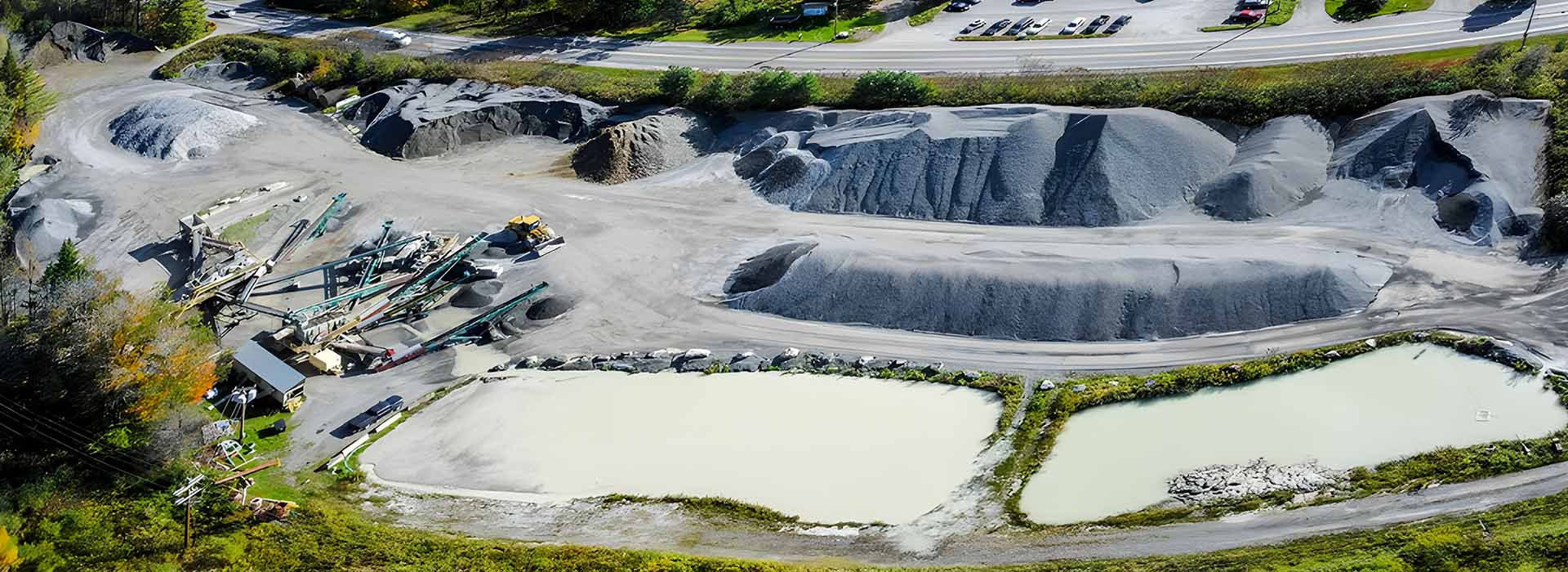
This white paper gives a clear overview of Indonesia’s aggregates industry from 2025 to 2030, covering market trends, competition, technology, policies, and key opportunities and challenges. Indonesia, the world’s largest island country, has rich natural resources such as river sand, marine sand, basalt, and limestone, spread across its main islands—Java, Sumatra, Kalimantan, Sulawesi, and Papua. Java and Sumatra, with their dense river networks, have long used natural aggregates in urban and infrastructure projects. As the government pushes forward with major infrastructure plans (PSN) and builds the new capital Nusantara (IKN), demand for sand and gravel is growing rapidly.
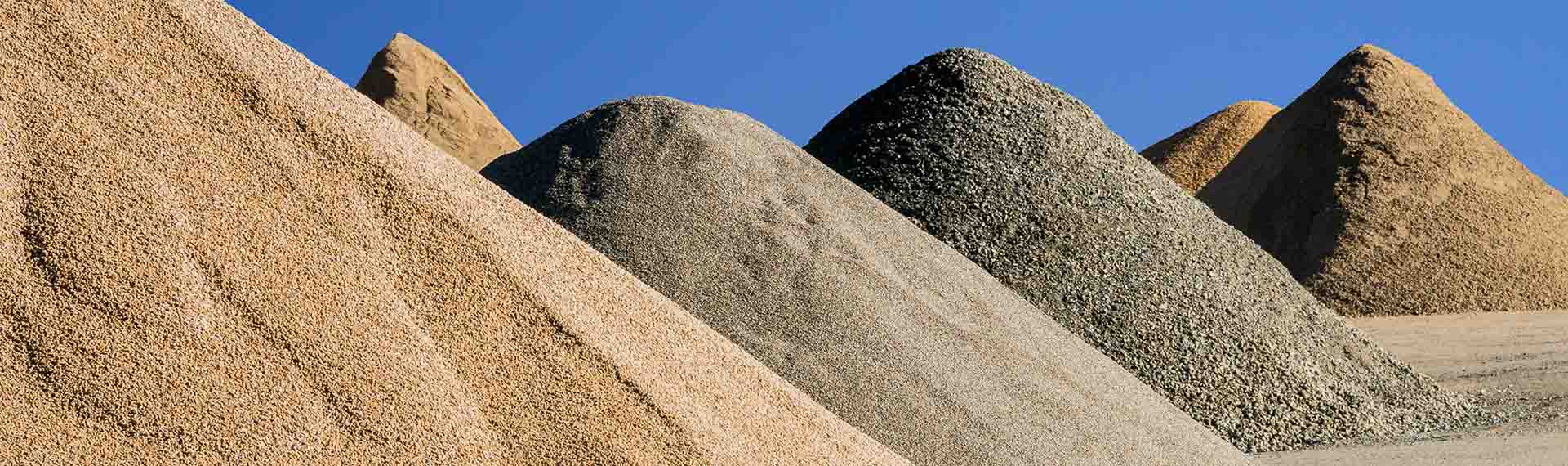
Steady Growth in Market Demand: Total aggregate demand is projected to exceed 780 million tons by 2030.
Regional Disparities in Growth: Java and Kalimantan are showing particularly strong growth in aggregate demand.
Industry Consolidation: Market concentration is expected to rise, with the top 10 companies accounting for over 45% of the national market.
Stricter Environmental Regulations: Green production practices and sustainable technologies are becoming central to industry transformation.
Technological Focus: Smart mining and energy-efficient crushing and screening systems are the key areas of innovation, with increasing investment in R&D.
Sand and Gravel Aggregate Industry Overview
Indonesia’s sand and gravel aggregate industry plays a crucial role in supporting the country’s booming construction and infrastructure sectors. Rich natural resources and increasing urban development drive steady demand for these essential materials.
Sources of Aggregates in Indonesia
Indonesia’s aggregates mainly come from two categories: natural sand and manufactured sand. Their distribution is significantly influenced by geographic conditions, resource availability, and policy directives. Below is a detailed classification and source analysis:
Natural Sand Sources
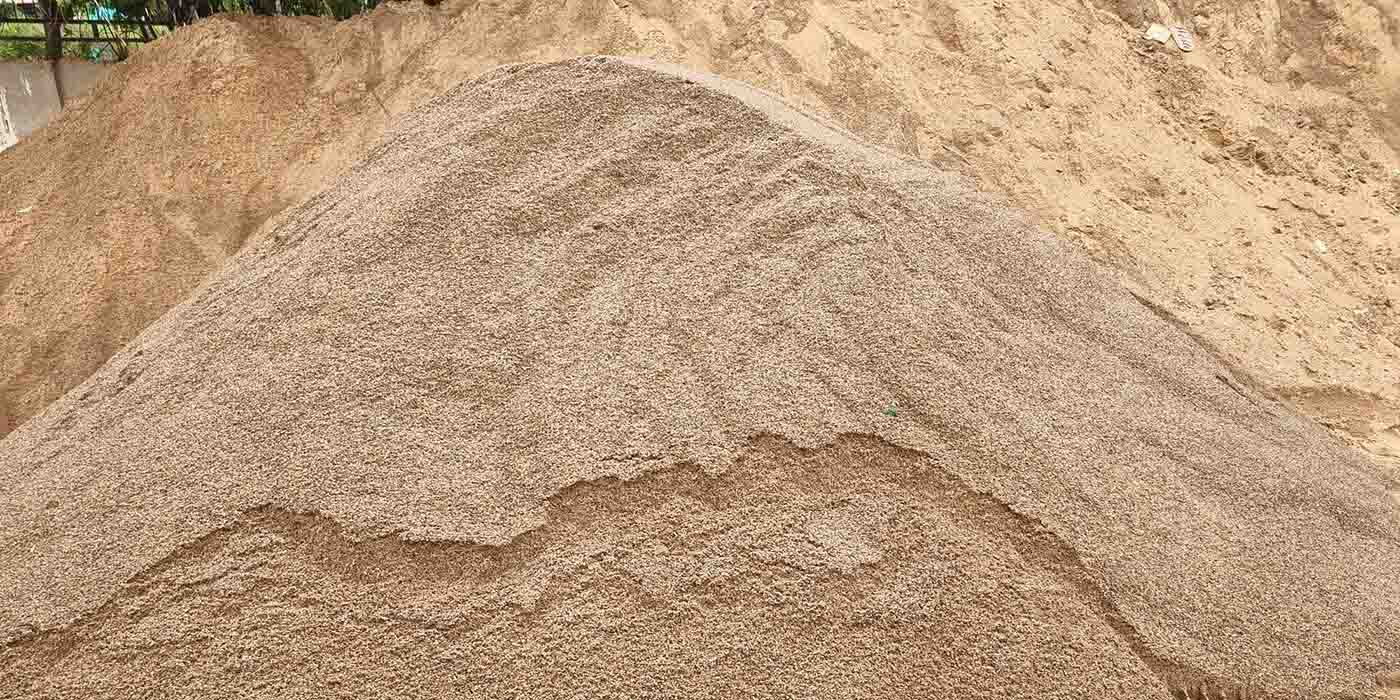
River Sand
Main Source
Key Distribution Areas
- Java Island: Rivers such as the Ciliwung River and Brantas River near Jakarta have historically been major suppliers of aggregates. However, resources have notably depleted in recent years, and government regulations on sand mining have tightened.
- Kalimantan: Middle to lower reaches of rivers like the Mahakam River and Barito River, especially in East and Central Kalimantan provinces, still hold relatively abundant resources. However, due to transportation and infrastructure challenges, development remains limited and resources require further consolidation.
- Sumatra: The Musi River basin is rich in river sand, serving as a major aggregate source for regions like Medan and Palembang.
Resource Characteristics
- Naturally rounded and smooth particles with relatively low clay content, suitable for medium to high-strength concrete;
- Long-term over-extraction has led to riverbed degradation and altered hydrological conditions, causing significant ecological impacts;
- Recent years have seen increased government restrictions to curb extraction and promote manufactured sand alternatives.
River Pebbles
Mainly composed of gravel transported and deposited by river currents, often found alongside river sand. In some areas, river pebbles are crushed to produce coarse aggregates.
Distribution
- Java Island: Along rivers like Ciliwung and Brantas;
- Sumatra: Lower to middle reaches of several rivers in the northern and central regions.
Resource Characteristics
- High strength and smooth surfaces, suitable for crushing into road base materials and concrete coarse aggregates;
- Distribution is limited by river transport capacity and alluvial fan ranges;
- Extraction policies are also tightening, encouraging transition toward manufactured crushed stone.
Quarry Sand (Mountain Sand)
Natural sand-like materials obtained by blasting, crushing, and screening rocks such as quartzite, granite, and andesite. In some regions, “quarry sand” refers to colluvial sand that has not been transported by water flow.
Key Distribution Areas
- Kalimantan: Mountainous areas in central and eastern parts, such as Kutai and around Samarinda, hold large resources but face high transportation costs; currently mainly supplying local infrastructure needs.
- Papua: Central highlands and western mountainous regions possess unexplored reserves with considerable development potential.
Resource Characteristics
- Angular particles with a higher proportion of flaky and elongated grains, requiring blending with rounded river sand or manufactured sand to improve concrete workability;
- Diverse mineral content including impurities such as clay and mica requiring processing;
- Although natural in origin and stronger than manufactured sand, quarry sand supply is less stable due to extraction efficiency and terrain limitations.
Manufactured Sand
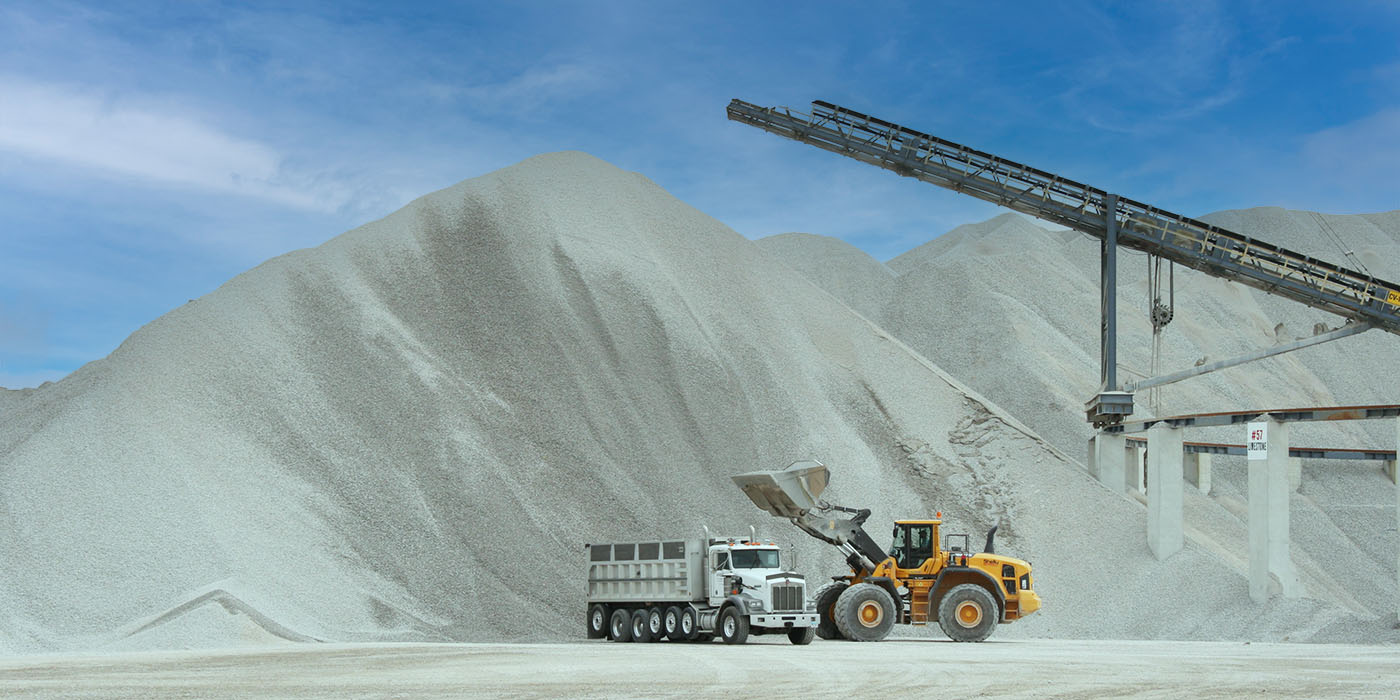
Manufactured sand is artificial sand produced by mechanically crushing and screening rocks, tailings, or construction waste, typically with particle sizes below 4.75 mm. In recent years, manufactured sand has been widely promoted in Indonesia to substitute for increasingly restricted natural river sand resources due to environmental and policy pressures.
Raw Material Sources
- Tailings and Industrial Waste: By-products from mining processes such as nickel and tin tailings. For example, Sulawesi Island’s nickel mining generates large amounts of tailings annually, and companies like PT Vale Indonesia have started exploring tailings utilization to produce manufactured sand.
- Recycled Construction Waste: Includes discarded concrete, bricks, mortar, and other urban construction debris. Indonesia generates over 100 million tons of construction waste annually, with pilot projects for recycling construction waste into aggregates launched in cities like Jakarta, Surabaya, and Medan.
- Blasted Rock Materials: Mining and crushing of igneous rocks such as basalt, limestone, and andesite are currently the primary sources of manufactured sand.
Drivers for Adoption
- Resource and Policy Pressure: Natural river sand reserves are depleting rapidly; the government has tightened river sand mining permits (e.g., multiple regions in Java suspended new permits in 2023), pushing the market toward alternatives.
- Economic Advantages: After scaling, some manufactured sand operations achieve unit costs 10-20% lower than natural river sand, while offering more stable supply suitable for large infrastructure projects.
Types and Distribution of Crushable Rocks in Indonesia
Indonesia lies along the “Pacific Ring of Fire” and is characterized by complex geological structures and abundant rock resources. This provides a solid foundation for manufactured sand production. Crushable rocks used for manufactured sand mainly fall into three categories—igneous, sedimentary, and metamorphic rocks—each with distinct properties and applications.
| Rock Type | Subtype | Properties | Key Locations | Applications |
|---|---|---|---|---|
| Igneous | Granite | High hardness (Mohs 6–7), durable, feldspar + quartz, stable structure | - East Java (Surabaya): 500+ Mt - Poso, Sulawesi: 700+ Mt - Jayapura, Papua: High potential | High-strength concrete, high-rise buildings, bridges, industrial flooring |
| Basalt | Dense, high compressive strength (200–300 MPa), wear-resistant | - Mount Merapi, Java: 400+ Mt - Toba Caldera, Sumatra | Railway ballast, highways, flood control embankments | |
| Andesite | Uniform texture, moderate hardness (Mohs 5–6), easy to crush | - Jambi, Sumatra - Pangkalan Bun, East Kalimantan | Manufactured sand, concrete, roadbed—river sand substitute | |
| Sedimentary | Sandstone | Rounded particles, moderate cohesion, quartz-rich | - Riau, Sumatra: 200+ Mt - Pontianak, West Kalimantan | Building sand, coastal infrastructure, roadbeds |
| Limestone | High CaCO₃ content, chemically stable | - Bandung & Cikampek, Java: 1+ Bt - Jambi, Sumatra | Cement/lime production, road base, aggregate | |
| Shale | Fine-grained, low hardness, easily crushed | - Samarinda, East Kalimantan - Merauke, South Papua | Low-grade concrete, fill material, subgrades | |
| Metamorphic | Quartzite | Very hard (Mohs >7), abrasion-resistant, quartz-based | - Poso, Sulawesi: 300+ Mt - Wamena, Papua | High-durability flooring, high-speed rail ballast |
| Gneiss | Uniform structure, good mechanical properties | - Makassar, South Sulawesi - Malang, East Java | Aggregates for high-rise buildings and bridges, high-strength concrete | |
| Other Rocks | River Pebble | Naturally rounded, durable | - Ciliwung & Brantas Rivers, Java - Mahakam River, Kalimantan | Coarse concrete aggregate, filler |
| Tuff | Volcanic ash origin, loose structure, easily crushed | - Yogyakarta volcanic belt, Java - Lombok Island | Roadbed material, non-structural concrete, alternative sand source |
Indonesia’s manufactured sand industry is growing rapidly, supported by abundant and diverse rock resources. Among all regions, Java and Sulawesi stand out for their high-quality igneous and metamorphic rock reserves. As natural sand becomes increasingly scarce and environmental regulations tighten, manufactured sand (crushed by sand making machine) is expected to dominate the market. Tailoring crushing and screening processes to local rock characteristics—while adhering to green mining practices—will be key to sustainable industry development.
Aggregate Supply and Demand Overview
Supply and Demand Analysis
Demand Side
- Annual Consumption: In 2023, Indonesia’s total aggregate consumption reached approximately 600–700 million tons, with a compound annual growth rate (CAGR) of 5–7%.
- Growth Drivers: Development of the new capital Nusantara in East Kalimantan, Expansion of regional economic corridors, Rapid growth of new industrial parks and strategic zones
- Demand Hotspots: Java Island (Jakarta, Surabaya): The largest consumption region, accounting for over 50% of national demand.
- Emerging Growth Areas: (Sulawesi: Driven by the nickel industry belt and associated infrastructure.), (Papua: Ongoing infrastructure expansion.), (Kalimantan: Hosting the new capital and growing demand from mining-related development.)
Supply Side
- Annual Production Capacity: Around 600 million tons, with an estimated 80% domestic self-sufficiency rate. The remaining 20% depends on imports, such as aggregates sourced from Singapore.
- Capacity Distribution: (Java Island: Accounts for over 60% of total production capacity. However, resource depletion risks are becoming prominent, emphasizing the need for manufactured sand (M-sand) as a sustainable alternative.), (Kalimantan and Sumatra: These islands have abundant natural resources but remain underdeveloped; they are expected to play a larger role in future supply.)
- Resource Composition: Current supply mainly consists of river sand, river pebbles, and mountain sand. The share of manufactured sand is steadily increasing, especially in Sulawesi, where nickel tailings are being effectively repurposed for M-sand production.
Key Application Scenarios of Aggregates in Indonesia
Aggregates are essential to Indonesia’s strategies for national construction, infrastructure development, industrialization, and green transition. With rapid urbanization, the development of the new capital, and expansion of regional economic corridors, aggregates are being used across an increasing number of sectors.

Construction Industry
Residential Housing
- Background: As of 2023, Indonesia’s urbanization rate stood at around 57%, with a government target of 70%+ by 2045, driving strong demand for urban housing.
- Applications: Aggregates are widely used in foundation, wall structures, and mortar for commercial housing, affordable housing, and slum upgrading projects.
- Market Share: Residential construction accounts for approximately 40–45% of total aggregate consumption.
Commercial and Public Buildings
- Jakarta–Bandung High-Speed Rail stations & commercial complexes: Used over 2 million m³ of concrete, largely with manufactured sand (M-sand) replacing river sand.
- Surabaya Exhibition Center, National Hospital Renovation: Required high-grade concrete with strictly graded aggregates.
- Trends: New commercial developments in South Sumatra and East Kalimantan are boosting local aggregate demand.
Infrastructure Development
Roads and Bridges
- Policy Goals: By 2030, plans include 30,000 km of new roads and 5,000+ new bridges supported by batching plants and asphalt mixing plants.
- Major Projects: (Sulawesi–Makassar–Balikpapan Trans-sea Corridor: Requires high-strength aggregates like basalt and M-sand.), (Java Island Ring Expressway Expansion: Consumes 80+ million tons of aggregates annually.)
Railways and Ports
Notable Projects: Jakarta–Bandung HSR(Used over 3 million tons of aggregates for sleepers and bridges.), New Nusantara Capital Port Facilities(Aggregates are essential for breakwater structures, port roads, and dredging backfill.)
Industrial and Energy Projects
Industrial Parks
- Morowali Nickel Industrial Park (Sulawesi): Around 40% of aggregate supply comes from tailings-based manufactured sand.
- Samarinda Industrial Zone (Kalimantan): Factories and freight roads primarily use mountain sand and crushed gneiss.
- Trend: Heavy industrial parks are shifting toward on-site manufactured sand systems to reduce logistics and environmental costs.
Energy Facilities
- Geothermal plants in West Java and Sumatra: Aggregates are used in concrete structures and access roads.
- Offshore wind power pilots (e.g., Batam Island): Require low-chloride, corrosion-resistant manufactured sand for pile foundations.
Urban Renewal & Real Estate
- High-Rise Buildings: Projects like The Tower Jakarta and Menara Marugame in CBD areas demand strict control over sand gradation and stone powder content.
- Old Town Redevelopment: Areas such as Kemayoran and Menteng suffer from severe subsidence, requiring large-scale backfilling and reinforcement using aggregates.
Environmental and Circular Applications
Construction Waste Recycling
- Policy Target: By 2030, at least 50% of construction waste should be recycled, with non-structural concrete increasingly mandated to use manufactured sand.
- Case: Surabaya urban road renewal used recycled aggregates, reducing procurement costs by about 15%.
Coastal and Mine Site Rehabilitation
- Mangrove Barriers: Projects like North Java Coastal Restoration use mountain sand + geotextiles to reinforce breakwaters.
- Tailings Reclamation: In Papua gold mine areas, manufactured sand mixed with humus is used to grow vegetation, restoring over 30% land cover.
Region-Specific Applications of Aggregates
| Region | Key Application Scenarios | Main Aggregate Types |
|---|---|---|
| Java Island | Urban renewal, high-speed rail, metro systems, ports | River sand (declining), manufactured sand |
| Kalimantan | New capital city construction, roads, government projects | Mountain sand, river pebbles, manufactured sand |
| Sumatra | Palm oil processing, regional highways, urban development | River sand, sandstone, basalt |
| Sulawesi | Nickel industrial parks, cross-sea bridges, industrial plants | Tailings-based sand, quartzite, mountain sand |
| Papua | Marine infrastructure, new airports, border area development | Mountain sand, imported manufactured sand |
Market Size of the Aggregates Industry in Indonesia
According to the latest data from Indonesia’s Central Bureau of Statistics (BPS), the Ministry of Public Works and Housing (PUPR), and the Ministry of Energy and Mineral Resources (ESDM), the Indonesian aggregates industry has been steadily expanding in recent years, as shown below:
Key Indicators of the Indonesian Aggregates Market
| Indicator | 2020 | 2022 | 2023 | Growth Trend |
|---|---|---|---|---|
| Annual Production (billion tons) | 3.8 | 4.2 | 4.5 | CAGR ≈ 5.8% |
| Annual Output Value (IDR trillion) | 340 | 387 | 420 | Stable growth |
| Share of Manufactured Sand | 18% | 23% | 25% | Increasing steadily |
Outlook for 2025–2030
Steady Growth in National Demand (CAGR 6.5%–7%)
By 2030, the total national demand for aggregates is projected to reach 680 million tons, with manufactured sand accounting for over 45% of the mix. Key demand drivers include:
- Nusantara Capital Project Construction Peak (2025–2027): Expected to add 25–35 million tons of annual demand.
- Regional Infrastructure Upgrades: Projects like the Trans-Sumatra Highway and the Pan-Kalimantan Express Corridor each require over 10 million tons/year of aggregates.
- Green & Digital Infrastructure: Widespread adoption of manufactured sand and smart mining is accelerating new capacity deployment.
Regional Differentiation: Eastern Regions to Lead Growth
| Region | Market Share (2023) | Projected CAGR (2025–2030) | Key Growth Drivers |
|---|---|---|---|
| Java | ~51% | 4%–5% | Urban renewal, rail and metro expansion |
| Kalimantan | ~16% | 9%–10% | Nusantara capital and logistics corridors |
| Sumatra | ~20% | 6%–7% | Industrial parks, port infrastructure |
| Sulawesi | ~9% | 5%–6% | Nickel-related metallurgical developments |
| Eastern Islands | <5% | 2%–4% | Tourism and renewable energy infrastructure |
Regional Market Forecast (by Major Regions)
| Region | Key Provinces | 2023 Output (billion tons) | Market Characteristics | 2030 Forecast | Projected CAGR |
|---|---|---|---|---|---|
| Java Island | Jakarta, Bandung, Surabaya, Yogyakarta | ~2.3 | Densely populated with high building demand; shortage of natural sand boosts manufactured sand adoption. | >3.0 | 4%–5% |
| Sumatra Island | Medan, Palembang, Pekanbaru | ~0.9 | Driven by ports, highways, and industrial parks; abundant reserves but unevenly distributed. | 1.3 | 6% |
| Kalimantan Island | Balikpapan, Samarinda, Nusantara | ~0.7 | Nusantara fuels rapid demand; manufactured sand surging; short-term constraints in logistics and machinery. | 1.5–1.8 | 9%–10% |
| Sulawesi Island | Makassar, Kendari, Palu | ~0.4 | High-volume demand from nickel smelting and Chinese-invested parks; green aggregates gaining traction. | 0.7 | 5%–6% |
| Lesser Sunda Islands & Bali | Denpasar, Mataram, Kupang | ~0.1 | Tourism, hotels, and road works dominate; limited local resources, relying on imports and reclaimed materials. | 0.15–0.18 | 3%–4% |
| Maluku & Papua | Ambon, Jayapura, Sorong | <0.1 | Weak infrastructure; far from major markets; marginal growth via state-led regional development programs. | <0.1 | 2%–3% |
Technological Trends in Indonesia’s Aggregate Industry
As Indonesia’s aggregate industry transitions from resource-heavy practices toward greener, smarter, and more efficient operations, the sector is rapidly adopting advanced technologies. These upgrades are primarily focused on sustainable production, resource recycling, digital control, and supply chain optimization. Below are six core technology trends shaping the future of the industry:

Green Technology Transition: Manufactured Sand and Circular Economy
With natural sand resources becoming increasingly scarce and environmental regulations tightening, Indonesia’s traditional reliance on river and mountain sand is under growing pressure. The industry is accelerating its green transformation, with key focus areas including the large-scale adoption of manufactured sand (M-sand) and the recycling of construction waste and tailings to support sustainable resource use, environmental protection, and cost optimization.
Core Technologies of Manufactured Sand (M-sand)
- Equipment: VSI impact crushers, high-frequency vibrating screens, and dry shaping systems.
- Quality Control: Shape optimization (limiting flaky particles), fines content control, and adjustable fineness modulus.
- Energy Efficiency: New-generation machines reduce energy use by 15–20%, and dust control systems lower emissions by over 90%.
Recycling of Construction Waste and Tailings
| Resource Type | Processing Method | Output Product | Application Scenarios |
|---|---|---|---|
| Construction Waste | Crushing + Sorting + Screening | Recycled Aggregate | Road base, non-structural concrete |
| Mine Tailings | Wet washing + Dry discharge | M-sand/Fine Aggregate | Building projects, batching plants |
| Industrial By-products (e.g. nickel slag) | Grinding + Activation | Supplementary materials | Cement, mortar floors |
Upgrades in Green Sand-Making Technology
Energy Transition: Low-Carbon Production and Green Power
Substitution with Renewable Energy in Aggregate Production
Policy Background
- The Indonesian government aims to raise renewable energy’s share to 23% of the national energy mix by 2030.
- The 2022 Green Industry Development Roadmap designates the aggregate sector as a priority for energy restructuring.
- Many mining areas are off-grid, creating strong demand for decentralized energy solutions.
Technology Scenarios
| Application Scenario | Renewable Type | Technology Model | Impact |
|---|---|---|---|
| Remote mountain quarries | Solar + Storage | Distributed PV + Battery Storage | Up to 100% daytime clean power |
| Water-rich regions | Mini Hydropower | Run-of-river + Direct Supply | Stable and reliable power source |
| Areas with clustered mines | Centralized Power | Wind/PV + Microgrid | Green industrial zones |
Energy Efficiency Optimization & Smart Equipment
Traditional aggregate plants often suffer from overcapacity, low equipment utilization, and high electricity consumption. With energy audits and smart device integration, many operations have reduced overall energy use and carbon intensity.
- Intelligent Variable Frequency Drives: Used in crushers, screens, conveyors—automatically adjust power based on load, saving 10–25%.
- Efficient Dust Collection + Fan Systems: Optimize airflow and reduce energy use while controlling dust emissions.
- Waste Heat Recovery: In dry M-sand processing, exhaust heat is reused, achieving over 35% energy recycling.
Carbon Capture and Emissions Management Pilots
Carbon Capture Pilot (CCUS)
Pertamina + Mitsubishi Partnership: A pilot carbon capture system is being tested in Padang, Sumatra, within a cement and aggregate industrial zone. Captured CO₂ is planned to be injected into retired oil wells for geological storage (CCS) or reused in industry (CCU).
MRV-Based Carbon Management System
In collaboration with the International Energy Agency (IEA), Indonesia’s Ministry of Industry is developing MRV (Measurement, Reporting, Verification) frameworks for key aggregate producers.
Carbon footprint certification is being used to enhance the green value of aggregate products and support international trade. Some Indonesia–China joint ventures have already applied for green building material labels.
Integrated Development: “Green Power + Green Aggregates”
Digital Transformation: Smart Mining and Supply Chain Management
Driven by Indonesia’s “Industry 4.0” roadmap and its push for digital governance in the mining sector, the country’s aggregate industry is steadily embracing intelligent and digital technologies. With the deployment of autonomous equipment, Industrial Internet of Things (IIoT), digital monitoring, and supply chain tracking systems, companies are not only boosting productivity and safety but also enhancing compliance and operational transparency.
Smart Mine System Development
Key Technologies and Structure
A smart mine consists of three core systems:
| Module | Key Features | Operational Impact |
|---|---|---|
| Intelligent Mining System | Unmanned haul trucks with GPS + LiDAR; smart loading systems | Reduces labor by 30%, increases haulage efficiency by 20% |
| Smart Crushing & Screening | PLC controls + AI algorithms for size optimization and energy efficiency | Improves crushing efficiency by 15%, lowers failure rates |
| Remote Monitoring Platform | Real-time data collection, cloud-based operations, video surveillance | Predictive fault detection accuracy up to 95% |
Industrial IoT (IIoT) and Data-Driven Operations
Core Applications
- Equipment Monitoring Sensors: Measure temperature, vibration, current, voltage, etc., to detect early signs of equipment aging or potential failure.
- SCADA Systems: Centralized control of crushing, screening, and washing processes to optimize operational flows.
- Cloud-based Operations: Enables remote supervision and centralized control across multiple sites, enhancing multi-island operational efficiency.
Digital Supply Chain and Logistics Management
Blockchain-Based Traceability System
Illegal mining and transport remain persistent challenges in Indonesia’s aggregate sector. Blockchain technology enables end-to-end digital tracking—from mining permit to production, transport, and customer receipt—ensuring full transparency of material origin.
- Key Modules: Upload of mining permits with automated compliance checks; GPS + RFID-based transport tracking; End-user feedback to complete a closed-loop transaction record.
- Government Pilot: Indonesia’s Ministry of Energy and Mineral Resources has launched the SIAM-Agregat platform in selected areas of Java and Kalimantan to trace legal aggregate flows.
Smart Logistics System
- Intelligent Dispatch: Adjusts truck dispatch frequency in real time based on traffic and load conditions.
- Transportation Management System (TMS): Digitally connects quarries, trucks, warehouses, and customers for full-process logistics tracking.
- Electric Truck Dispatch: Monitors battery levels and routes in real-time to minimize breakdowns and optimize delivery schedules.
Emerging Platform-Based Enterprises and the “Cloud Mining” Ecosystem
| Company | Platform Name | Key Features |
|---|---|---|
| PT Solusi Bangun Indonesia | SBI Aggregates Hub | Smart order processing, inventory control, dispatch coordination, carbon reports |
| China National Building Material Indonesia | Cloud Quarry | Based on Huawei Cloud; supports remote equipment monitoring, energy analysis, and quality tracking |
| Indonesian Government (Pilot) | SIAP-Batu | Integrates tax, mining licenses, transport, and end-user data to combat illegal trade |
Efficient Resource Utilization: Alternative Materials and Technological Innovation
With the depletion of natural river sand and increasing environmental pressures, Indonesia is accelerating the development of a diversified aggregate material system. This involves utilizing industrial by-products, developing recycled materials, converting mine tailings, and applying advanced processing technologies—all aimed at resource conservation and value enhancement.
Industrial By-Products for Aggregate Use
Fly Ash and Steel Slag
Source: Indonesia’s coal-fired power plants and steel mills generate large volumes of fly ash and steel slag annually, posing high disposal costs.
Substitution Roles
Fly Ash: Serves as a partial fine aggregate replacement, suitable for road base layers and non-structural concrete.
Steel Slag: After crushing and screening, it exhibits strong mechanical properties, widely used in port revetments and high-strength concrete.
Recycled Aggregates from Construction Waste
Technological Progress
Construction waste is processed using mobile or stationary systems combining crushing, screening, and impurity removal to produce reusable aggregates.
High-grade recycled aggregates are further enhanced through particle regrading and surface treatment, making them suitable for non-structural concrete and pavement sub-bases.
Mine Tailings and Slag Reuse
Sand Production from Nickel Tailings
Indonesia’s nickel ore beneficiation generates substantial tailings with suitable fineness. By adjusting particle gradation and blending techniques, these tailings can be converted into manufactured sand.
Deployment: This method is now widely adopted in industrial parks across Sulawesi and Kalimantan, creating a new source of manufactured sand.
Copper and Gold Mine Tailings Utilization
In West Papua and East Nusa Tenggara, gold mine tailings are treated via de-sliming and alkaline conditioning, enabling use in port subgrade layers and non-structural concrete.
Desalination and Utilization of Sea Sand
Resource Background
Indonesia’s long coastline offers abundant sea sand resources. However, high salt content—especially chloride—limits its direct use due to risks of steel reinforcement corrosion in concrete structures.
With increasing demand from port infrastructure and land reclamation, there is growing urgency to develop usable desalinated sea sand.
Technological Pathways
| Technology | Description | Application Effectiveness |
|---|---|---|
| Water Washing + Air Drying | Removes most soluble salts through natural means | Low cost, slow process; suitable for general fill |
| Electrodialysis Desalination | Uses low-voltage electric fields to remove chloride ions | High cost; suitable for critical structural works |
| Chemical Pretreatment + Thermal Drying | Accelerates salt removal, practical for small to medium projects | Moderate cost and maturity |
Material Innovation and High-Performance Aggregates
- Lightweight Aggregate (LWA): Made from expanded shale or sintered clay, ideal for high-rise buildings and self-insulating concrete.
- Polymer-Coated Aggregates: Enhances durability and water affinity, suitable for bridges, ports, and marine structures.
- Surface Activation Technology: Improves bonding between recycled aggregates and cementitious materials—often combined with new-generation admixtures.
Technology Providers and R&D Trends
| Company / Institution | Technical Expertise | Latest Developments |
|---|---|---|
| PT Bukaka Teknik Utama (Indonesia) | Sand-making equipment & crushers | Launched its own brand VSI crusher system tailored for Indonesia’s rainy climate |
| Metso Outotec (Finland) | High-end crushing & screening systems | Partnered with PT Wika to co-develop a green manufactured sand production line |
| Terex MPS (USA) | Mobile crushing and screening equipment | Deployed its first modular production line in Kalimantan in 2023 |
| TekMIRA (Indonesian Mining R&D Agency) | Green mining technologies | Initiated the “Green Aggregate Action Plan” to support local R&D and reduce import dependence |
| University of Indonesia (UI) – Materials Dept. | Aggregate quality standards & testing technology | Built a performance database for manufactured sand and is drafting a national technical standard (expected release: 2026) |
Summary Table: Technological Trends
| Technology Category | Key Technologies | Application Area | Development Trend | Representative Entities |
|---|---|---|---|---|
| Manufactured Sand Tech | VSI crushers, dry sand-making systems | Manufactured sand production | Higher sand-making efficiency, gradual replacement of natural sand | Metso Outotec, PT Bukaka |
| Smart Mine Management | Automated mine control, data analytics | Mining operations management | Intelligent control systems, remote equipment monitoring | PT Bukaka Teknik Utama, Terex |
| Dust Control | Pulse bag dust collectors, enclosed workshops | Sand-making and screening | Stricter environmental standards, better dust suppression | Sandvik, PT Sumber Alam |
| Wastewater Recycling | Filtration systems, sedimentation reuse | Water recovery and reuse | Circular water usage, lower production costs | Advanced sand plants, local suppliers |
| Low-Carbon Production | Solar power systems, eco-friendly aggregates | Energy saving and low-emission aggregate production | Low-carbon, aligned with green building standards | Local equipment manufacturers, government projects |
- The focus of technology development is shifting from efficiency-driven to smart and green solutions.
- Manufactured sand is emerging as the mainstream strategy for capacity expansion.
- Digitalization, clean energy adoption, and stricter environmental regulations are accelerating the transformation of the aggregate industry from resource-intensive to technology-intensive.
- Technology convergence between local firms and international players is gaining momentum.
Competitive Landscape and Industry Value Chain Insight
Analysis of Key Market Players
Leading Enterprises
The Indonesian aggregate industry is moderately to loosely concentrated, with the top five players holding a combined market share of around 25–30%. Most of them are infrastructure conglomerates or joint ventures with mining permits, including both state-owned and private enterprises.
| Company Name | Group / Background | Coverage Area | Business Features & Strengths |
|---|---|---|---|
| PT Solusi Bangun Indonesia Tbk (SBI) | Subsidiary of Semen Indonesia (SIG) | West, Central, East Java, Aceh | Formerly Holcim Indonesia (Dynamix); state-owned backing; strong in large infrastructure and housing projects |
| PT Indocement Tunggal Prakarsa Tbk | Part of Heidelberg Materials | Java, Sulawesi | Vertically integrated (mining → processing → transport → sales); strong technology and brand advantage |
| PT Semen Indonesia (Persero) Tbk | Largest state-owned cement group in Indonesia | Nationwide | Group operations with multiple subsidiaries; integrated supply from cement to concrete to aggregates |
| PT WIKA Beton | Subsidiary of WIKA (SOE) | Java, Kalimantan | Mainly serves state infrastructure projects; high share of manufactured sand output |
| PT Adhi Karya Infrastruktur | Subsidiary of Adhi Karya (SOE) | Java, Sumatra | EPC contractor + vertically integrated aggregate supply; one-stop solution for construction materials |
| PT Bukaka Teknik | Part of Bukaka Group | Java, Bali | Equipment manufacturer for manufactured sand; extends into the aggregate value chain |
| PT Pionirbeton Industri | Subsidiary of Indocement | Java, Sumatra | Combined ready-mix concrete and aggregate operations; agile response to property and municipal needs |
| PT Gunung Mas Persada | Private enterprise | Sumatra | Regional leader in South Sumatra; resource-based operation model |
Advantages of Leading Players
- Possession of large-scale mining licenses (IUP) and secure government project pipelines
- Early investments in manufactured sand and green sand production lines
- Mostly integrated with EPC contractors or infrastructure groups
Emerging Forces: The New Energy of Indonesia’s Aggregate Sector
Types of Emerging Enterprises: Pioneers in Green Tech and Digital Intelligence
Driven by green transformation and large-scale infrastructure expansion, new players are emerging across the value chain, particularly in the following two categories:
Startups Focused on Sustainable Technologies
These companies leverage technical innovation to address key challenges such as resource depletion, environmental pressure, and construction waste management:
| Company Name | Core Business | Technology Highlights | Supported By |
|---|---|---|---|
| GreenSand Indonesia | Construction waste to sand | Mobile crushing + AI-based sorting | Indonesia Green Economy Fund (GEF) |
| RecoStone | Sea sand recovery and desalination | Electrodialysis desalination | Ministry of Marine Affairs pilot program |
| TailMiner | Nickel tailings utilization | “High-temp crushing + multistage screening” | Joint venture pilot with Antam in Sulawesi |
| EcoGravel Tech | Composite aggregates from steel slag + fly ash | Alkaline activation for non-structural concrete | Ongoing cooperation with Chinese building material firms |
Trend Insight: These startups are typically small but specialized, focusing on segments such as resource recycling, green materials, and low-carbon construction. They attract policy incentives and growing foreign investment interest.
Digital Platform Providers
New tech companies are helping traditional aggregate players improve operational efficiency and compliance through platforms, algorithms, and smart devices:
| Company Name | Core Service | Representative Application | Partners |
|---|---|---|---|
| StoneChain | Blockchain-based aggregate traceability | Tracks raw material origin, prevents illegal mining | Ministry of Mining, ESG Funds |
| SmartAggregate | AI-driven crushing system | Optimizes grain shape and reduces energy use by 15% | Piloted by Holcim Indonesia |
| MineTrackID | Smart dispatch for quarry vehicles | Real-time fleet monitoring, enhances transport safety & efficiency | Integrated into Bali aggregate logistics platforms |
| BuildFlow Asia | Infrastructure project coordination | Links contractors with aggregate suppliers, intelligent order matching | Supports Jakarta–Bandung HSR, Nusantara supply chain |
Trend Insight: These platform companies effectively bridge the “soft capabilities” gap for traditional players. In an era of tightening ESG regulations, they are becoming critical tools for large firms to ensure outsourced compliance.
Policy-Driven Emerging Business Models
Aggregate Industrial Parks: A Blend of Greening and Integration
Under Indonesia’s national infrastructure strategy, multiple aggregate industrial parks are being planned as centralized supply platforms. These parks integrate industrial coordination, logistical support, and policy incentives to promote sustainable growth.
| Industrial Park | Location | Planned Annual Capacity | Key Features |
|---|---|---|---|
| Nusantara Aggregate Park | Near core zone of the new capital, East Kalimantan | >100 million tons | Equipped with railways, dominated by manufactured sand, PPP model for funding |
| Sulawesi Nickel Tailings Recycling Zone | Morowali industrial corridor | 50 million tons | Shared logistics and energy infrastructure with nickel industry |
| Central Java Green Building Materials Hub | Yogyakarta–Semarang corridor | 30 million tons | Focused on urban renewal and recycled aggregate projects |
Policy Support:
- Fast-track land approvals and pre-environmental assessments
- Green customs clearance channels and import tax exemptions for equipment
- Priority project financing by Indonesia Investment Coordinating Board (BKPM)
Community-Based Mining (CBM): Collaborative Resource Models
To ease mining rights disputes and improve social acceptance, the Indonesian government actively promotes Community-Based Mining (CBM), with key mechanisms including:
- Community Shareholding: Villages or indigenous groups can be legal shareholders
- Profit Sharing Scheme: Enterprises and communities share profits (e.g., 40-60 or 30-70)
- Social Support Measures: Companies must invest in local education, healthcare, and skills training
| Project Area | Description |
|---|---|
| Bintuni Bay, Papua | Mountain sand jointly developed by a company and indigenous groups; 200,000 tons/year |
| Sijunjung, West Sumatra | Community-run quarry, with government subsidy for excavation equipment |
| Coastal East Nusa Tenggara | Local communities engaged in sea sand collection and transportation, reducing illegal mining |
Policy Support:
- The Ministry of Energy and Mineral Resources provides dedicated CBM promotion funds for localized small-to-medium projects
- Introduction of Social and Environmental Impact Assessment (S-EIA) to strengthen benefit-sharing with communities
International Capital and Influence
In addition to Chinese and Japanese investments in manufactured sand and crushing equipment, more international development agencies and private equity funds are entering Indonesia’s aggregate sector.
Involvement of International Development Institutions
| Institution | Mode of Participation | Key Projects |
|---|---|---|
| World Bank (WB) | Green loans for manufactured sand plants | Supports marine sand treatment plant in Batam |
| Asian Development Bank (ADB) | Financing for green industrial parks | PPP pilot of Sulawesi Green Aggregate Corridor |
| GIZ (Germany) | Certification systems & training for recycled aggregate | Pilot projects in Semarang city |
Entry of ESG Investment Funds
- ESG-oriented funds like Blue Earth Capital and Impact Bridge Asia are investing in traceable manufactured sand supply chains
- Portfolio companies include SmartAggregate and StoneChain, which are being guided to join international green building certification systems
Outlook and Strategic Recommendations
| Emerging Trend | Development Outlook | Recommended Enterprise Strategies |
|---|---|---|
| Boom in Green Tech Startups | Technologies for construction waste, tailings, and sea sand recycling continue to emerge | Collaborate with universities to establish incubators and secure technical resources |
| Rise of Digital Platform Providers | Government pushes for mining legalization and full-process traceability | Actively integrate with blockchain and compliance platforms |
| Industrial Cluster Development | Rapid development of aggregate parks in infrastructure hotspots | Preemptively secure capacity and position in policy-favored zones |
| Community Co-Development Models | Reduced conflict and win-win outcomes become a policy priority | Build “community engagement + social return” mechanisms |
| Global Interest in Green Investment | ESG compliance becomes a prerequisite for international financing | Proactively adopt green certifications and carbon management systems |
Modes of Cooperation: Synergistic Evolution in Indonesia’s Aggregates Industry
Driven by the triple pressures of resource constraints, environmental regulations, and infrastructure development, Indonesia’s aggregates industry is evolving toward diversified and integrated forms of collaboration. Industry leaders are replacing traditional supplier-buyer models with full-chain cooperation frameworks that encompass industrial integration, green finance, international technology, and community participation.
Horizontal Cooperation: Corporate Alliances and Resource Sharing
Joint Ventures (JV)
- Model Features: Cross-border and local companies form new entities by pooling capital, technology, or resources.
- Example 1: CNBM × PT Antam → JV in Kalimantan for a 50-million-ton aggregates industrial park, integrating mining rights and crushing technology.
- Example 2: Holcim (LafargeHolcim) × Semen Indonesia → Co-develop quarry resources in West Java, supplying aggregates for the Jakarta-Bandung High-Speed Rail.
- Advantages: Risk and cost sharing, production expansion, alignment with foreign investment policies.
- Challenges: Management culture clashes, complex profit-sharing negotiations.
Supply Chain Alliances
- Model Features: Stable cooperation between upstream and downstream partners to ensure supply security and reduce costs.
- Example 1: PT Vale × Manufactured Sand Plant → Process nickel tailings into M-sand for surrounding smelting clusters.
- Example 2: Jasa Marga × Local Aggregates Suppliers → Co-build mining-to-highway transport corridors, reducing traffic congestion and logistics costs.
- Advantages: Shorter chains, stronger bargaining power.
- Risks: Increased interdependence amplifies risk transmission.
Vertical Integration: Full Control from Mine to Application
Full-Chain Operations: Mine–Processing–Application
- Example 1: Indocement → Owns quarries in Java and controls cement and concrete supply chains(such as batching plant).
- Example 2: PowerChina → Sets up local crushing plants during infrastructure construction to ensure cost and time control.
- Advantages: Project continuity, lower exposure to external fluctuations.
- Challenges: Heavy assets, subject to multiple regulations (mining permits, land use, EIA).
Cross-Sector Cooperation
- Model Features: Aggregates companies partner with energy or tech sectors to achieve green and digital upgrades.
- Example 1: Pertamina × Solar Power Firms → Install solar systems in aggregate crushing plant to reduce diesel dependence.
- Example 2: Huawei × Aggregates Operator → Deploy 5G + IoT for smart dispatching and remote control.
- Advantages: Green transformation, higher technology value-add.
- Expansion Potential: Toward “smart construction materials” chain.
Technology Cooperation: From Import to Local Innovation
International Technology Transfer
- Example 1: JICA × Local SME Quarries → Promote “zero tailings + mud-water separation” systems to ease environmental burden.
- Example 2: Vega (Germany) → Supplies digital sensors for real-time monitoring of crushed particle sizes.
- Advantages: Fast tech upgrading, higher environmental standards.
- Cooperation Tip: Prioritize donor-backed aid projects to reduce costs.
Local Innovation Partnerships
- Example 1: GreenSand Indonesia × Sepuluh Nopember Institute of Technology → Develop technologies for C&D waste recycling and aggregate blending.
- Example 2: RecoStone × Indonesian Institute of Marine Science → Co-develop sea sand desalination and grading modules.
- Advantages: Technical autonomy and differentiated product strength.
- Key Drivers: Government tech funds + academic-industry transfer mechanisms.
Policy-Driven Cooperation: PPP and Community-Based Mining (CBM)
PPP-Based Infrastructure Collaboration
- Example 1: Nusantara New Capital Aggregates Base → Government provides land and tax benefits; companies build 100 Mt green aggregates base.
- Example 2: Sulawesi Sea-Crossing Bridge Project → Local green M-sand usage mandated; joint bids from multiple firms.
- Advantages: Policy support, easier access to financing.
- Challenges: Long cycles, complex multi-stakeholder negotiations.
Community-Based Mining (CBM)
- Example 1: Bintuni Bay, Papua → JV with indigenous cooperatives; 60:40 profit split and support for local jobs and infrastructure.
- Example 2: Riau Archipelago Community Fund → Companies fund community eco-programs in exchange for extended marine sand permits.
- Advantages: Conflict reduction, higher social acceptance.
- Policy Direction: Indonesia promotes inclusive mining-community frameworks.
International Capital and Regional Cooperation
Cross-Border M&A and Equity Investment
- Example 1: LafargeHolcim acquires small and medium Indonesian quarry operators → Quickly expands national market footprint.
- Example 2: CNBM invests in Indonesian nickel mines → Controls tailing output for manufactured sand sourcing.
- Trend: Global players favor integrated control of region–raw materials–end-use.
Regional Collaboration (RCEP/ASEAN)
- Example 1: Indonesia-Malaysia M-sand supply agreement → Duty-free trade under RCEP, forming regional supply clusters.
- Example 2: China–Laos–Thailand Railway Aggregates Base → Multinational JV plants to supply cross-border rail infrastructure.
- Advantages: Resource sharing, integrated regional logistics.
- Challenges: Regulatory differences, cross-border compliance mechanisms.
Emerging Models: Strategic Reserves and Green Finance
Sand Banking
- Example: Indonesia’s National Aggregates Reserve Initiative → Strategic stockpiles in Kalimantan and Sumatra to stabilize prices and support urgent projects.
- Potential: Price risk hedging and macro control of industry supply.
ESG-Oriented Financial Partnerships
- Example 1: World Bank + Local M-sand Producers → Offers green loans and environmental pre-screening to support eco-friendly crushing plant.
- Example 2: AIIB invests in Bali Smart Quarry Project → Funding contingent on digital compliance systems.
- Trend: Green finance becoming key to external capital access for aggregates firms.
Future Outlook for Indonesia’s Aggregates Industry Collaboration
| Collaboration Dimension | Current Status | Trend Outlook |
|---|---|---|
| Horizontal Alliances | JV-based, highly localized | Rise of regional platform alliances |
| Vertical Integration | Led by building material firms | Infrastructure projects driving full-chain |
| Technology Cooperation | Foreign tech introduction dominates | Maturing domestic innovation |
| Policy-Based Cooperation | PPP & CBM dominant | Transitioning to ESG-based governance |
| International Cooperation | M&A + trade liberalization | Deep ASEAN supply chain integration |
| Financial Cooperation | Led by international development funds | ESG-linked financing to become standard |
Industry Value Chain Distribution
Industry analysts typically categorize the aggregates industry in Indonesia into three major segments: upstream (resource exploration and mining rights), midstream (crushing, processing, and logistics), and downstream (concrete production, cement manufacturing, and infrastructure construction).
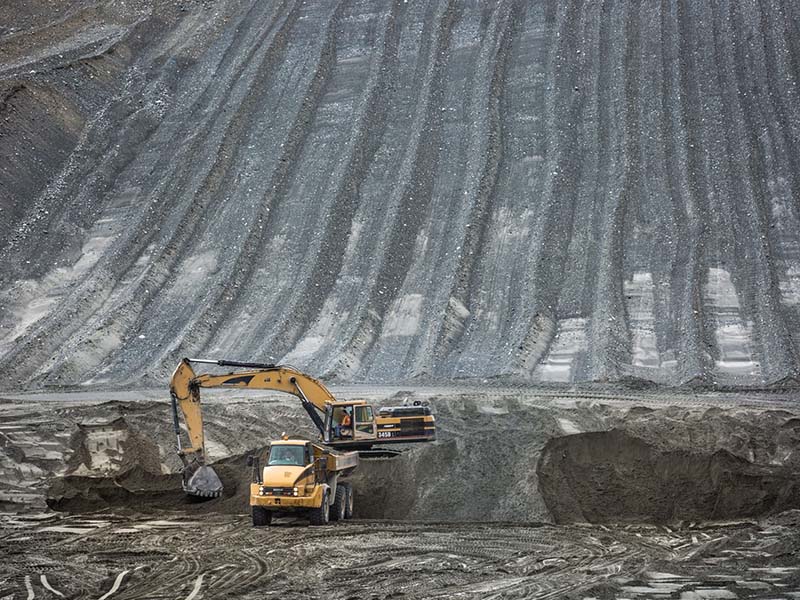
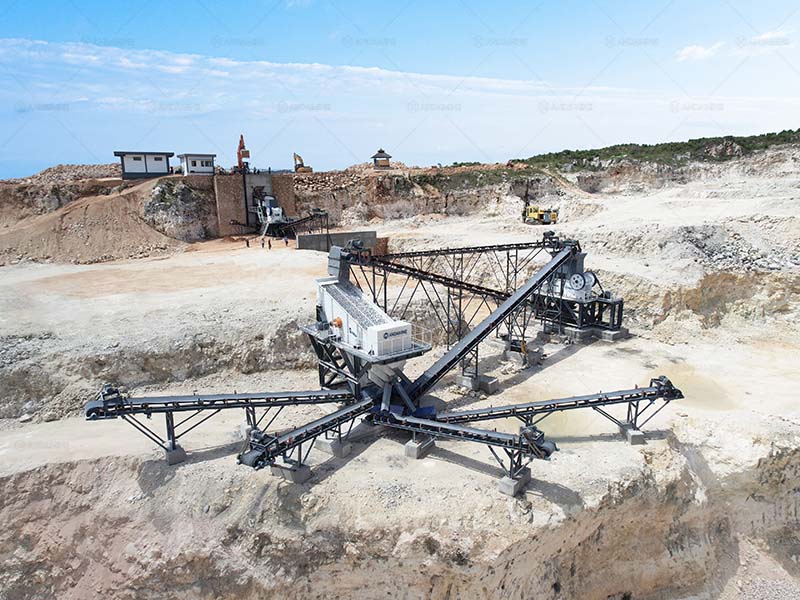
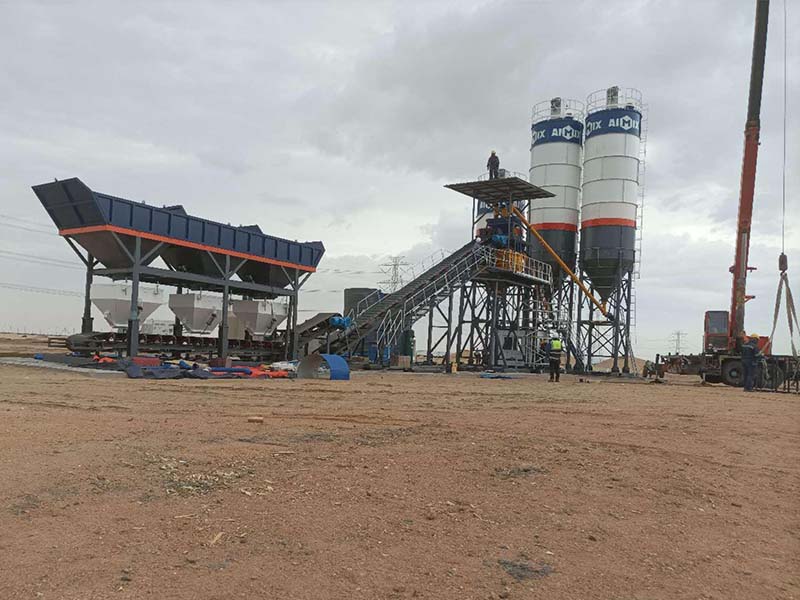
Upstream: Resource Exploration and Mining Rights Distribution
The upstream segment of Indonesia’s aggregates industry encompasses key elements such as resource types, geological distribution, mining rights acquisition, and the mining permit framework. It forms the fundamental layer that determines the sustainability of industry supply.
Upstream Value Characteristics
- Indonesia possesses diverse and geographically distributed aggregate resources. However, mining rights remain fragmented, and policy implementation varies across regions, resulting in suboptimal development efficiency and regulatory standardization.
- Ongoing reforms in mining rights and increasingly stringent environmental policies are expected to drive consolidation among small and medium-sized quarries, promoting large-scale, standardized mining zones.
- Securing high-quality mining rights, improving mechanization, and ensuring compliance capabilities will become core competitive barriers in the upstream segment.
Midstream: Aggregate Processing and Logistics
The midstream segment is the core value-creation stage of the aggregates value chain. It covers critical processes including primary crushing, manufactured sand production, screening and washing, and finished product transportation. Technical sophistication, equipment capability, and logistics efficiency at this stage directly affect product quality, unit cost, and market delivery capacity.
Midstream Value Characteristics
- The midstream stage is the key value creation point for “efficiency and quality” in the aggregates industry, with processing technology and equipment performance directly determining product grade and competitiveness.
- While traditional processes still dominate, this segment is undergoing rapid upgrading, driven by green infrastructure initiatives, the expansion of manufactured sand, and major projects such as the new capital city (Nusantara).
- The ability to establish and operate midstream processing facilities is critical for companies aiming to serve multi-regional markets and directly supply large-scale projects.
Downstream: End-Use Markets and Demand Structure
The downstream segment represents the end-use of aggregates and includes a wide range of sectors such as government infrastructure projects, urban real estate development, industrial park construction, and energy engineering. As Indonesia shifts its national development focus eastward (e.g., Nusantara capital project), accelerates industrial transformation, and experiences an expanding middle class, downstream demand is structurally upgrading.
Downstream Value Characteristics
- A threefold dynamic drives the Indonesia’s downstream market: national mega-projects, stable urban construction, and emerging growth in eastern regions.
- With the rollout of the new capital city and industrial parks, downstream demand is evolving toward localized sourcing, a higher proportion of manufactured sand, and increased requirements for green certifications.
- Companies that can establish stable procurement partnerships, ensure rapid supply responsiveness, and meet green certification standards will hold significant advantages in future competition.
Policy Overview
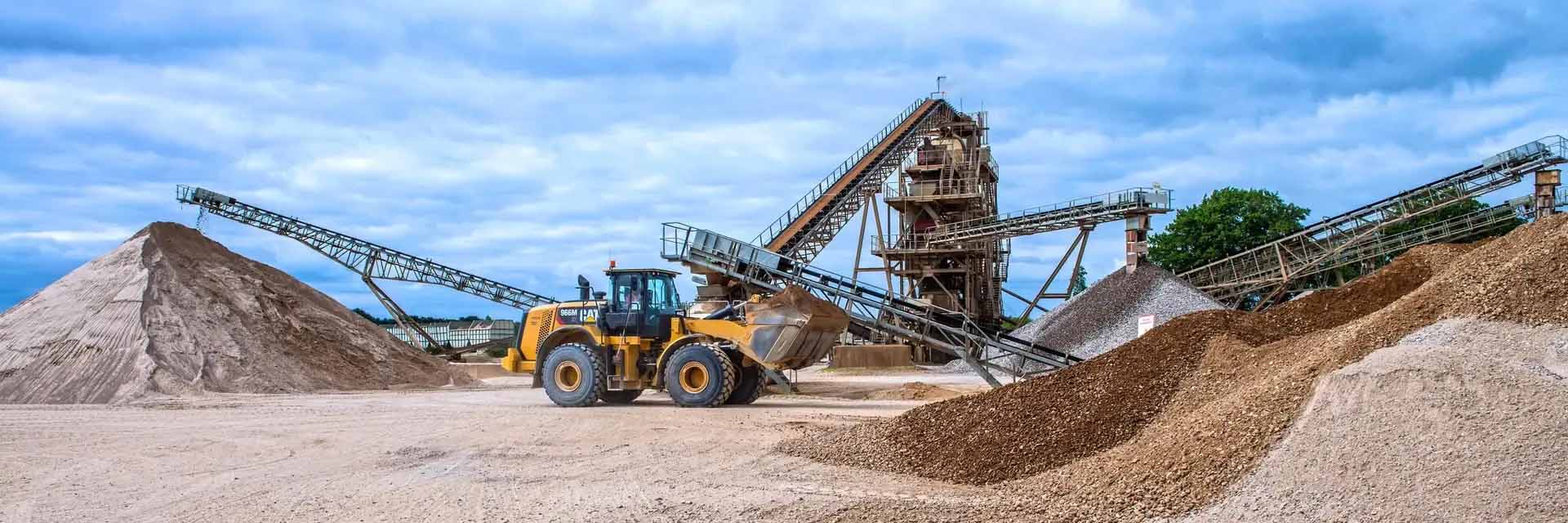
The regulation of Indonesia’s aggregates industry (covering non-metallic minerals and construction aggregates) is primarily governed by the Mineral and Coal Mining Law (Law No. 4/2009, amended by Law No. 3/2020) and its implementing regulations. It is also subject to environmental laws and land use policies. In 2021, Indonesia revised its mining law implementation rules through Government Regulation (PP) No. 96/2021, which replaced the previous PP 23/2010 and its amendments.
Key Regulations Governing Indonesia’s Aggregate Industry
The table in the following, summarizes the key regulations relevant to the industry, including regulation names (in both English and Bahasa), effective dates, responsible authorities, applicable stakeholders, highlights, and implementation status. This overview provides a structured understanding of the regulatory framework.
| Regulation Name (Bahasa/English) | Effective Date | Authority | Applicable Stakeholders | Key Points | Implementation Status |
|---|---|---|---|---|---|
| UU 4/2009 (amended by UU 3/2020) Mineral and Coal Mining Law | 2009 (amended 2020) | Ministry of Energy and Mineral Resources (ESDM) | All mining operators (including Group C minerals: sand, gravel, etc.) | Establishes mining license system (WIUP, IUP, IUPK, SIPB), environmental responsibilities, and land reclamation obligations; operators must prepare exploration, production, and reclamation plans. | In force; 2020 amendment eased licensing terms (e.g., allows religious institutions to hold permits). |
| PP 96/2021 Implementation of Mining Law | Sep 9, 2021 | Government / ESDM | Same as UU 4/2009 | Consolidates and updates licensing rules; repeals PP 23/2010; introduces village-level small-scale mining licenses (SIPB) for sand and aggregates (Articles 129–131), available to village enterprises, co-ops, and individuals. | In force; 2024 amendment (PP 25/2024) refines renewal terms. |
| PP 25/2024 Amendment to PP 96/2021 | Effective Aug 2024 | Government / ESDM | IUPK OP holders | Adjusts renewal conditions for IUPK (special production permits), ensuring continuity for permits issued prior to 2020 amendments. | In force from Aug 2024; ensures legal transition for legacy license holders. |
| PP 78/2010 Reclamation and Post-Mining | Oct 13, 2010 | Government / ESDM | Exploration and mining operators | Requires reclamation and post-mining plans as part of permit applications; operators must place a reclamation bond (in state-owned banks); non-compliance leads to permit revocation and forced enforcement. | Ongoing enforcement; local governments monitor compliance. |
| UU 32/2009 Environmental Protection and Management Law | 2009 (current) | Ministry of Environment and Forestry (KLHK) | All environmentally impactful projects | Mandates environmental assessments (AMDAL or UKL-UPL); mining projects with significant impact require AMDAL; exploration stages may apply UKL-UPL. | Strictly enforced; environmental authorities oversee approvals. |
| PP 27/2012 (Updated as PP 22/2021) Environmental Permits | 2012 (revised in 2021) | Government / KLHK | All major projects | Sets environmental permitting procedures; UKL-UPL is typical for exploration, while AMDAL is mandatory for production; environmental permits (Izin Lingkungan) required. | Currently enforced as PP 22/2021; integrated with UU 32/2009. |
| KLHK Regulation No. 19/2014 Dust and Emission Controls | 2014 | KLHK (Environment Directorate) | Cement and mining sectors | Specifies fixed-source pollutant limits (e.g., PM, SO₂, NOₓ); companies must submit annual monitoring reports and install online monitoring systems. | In force; subject to regular inspections. |
| KLHK Regulation P.19/2017 Emission Standards | 2017 | KLHK | Cement and related industries | Updates cement sector emission limits and monitoring standards, applicable to aggregate processing as well. | Enforced in conjunction with P.19/2014. |
| KLHK Regulation P.12/2021 Motor Vehicle Emissions | 2021 | KLHK | Transport vehicles, including mining trucks | Sets vehicle exhaust standards (NOₓ, particulates); large mineral transport trucks must undergo regular emissions tests. | In effect; jointly enforced by environment and transport agencies. |
| Land Use Regulations (Various local levels) | Varies by province/district | Local Governments / BPN (Land Affairs) | Mining and reclamation land users | Requires land use approvals aligned with spatial plans; post-mining land must meet regional development goals (e.g., agriculture, construction); local governments may impose reforestation and compensation obligations. | Enforced at regional level; must align with national land reform policies. |
(Sources: Ministry of Energy and Mineral Resources – ESDM, Ministry of Environment and Forestry – KLHK, and related official regulations)
Environmental Protection and Emission Regulations
Indonesia enforces strict environmental regulations on mining activities, primarily governed by the Environmental Protection and Management Law (UU No. 32/2009) and its supporting regulations.
Environmental Assessment and Permitting
- Exploration Phase: Submission of an Environmental Management and Monitoring Plan (UKL-UPL).
- Development and Production Phase: A more comprehensive Environmental Impact Assessment (AMDAL) is required.
- Projects must also disclose environmental information to the public, prepare Environmental Management and Monitoring Plans (RKL-RPL), and submit regular environmental monitoring reports.
Land Rehabilitation and Reclamation Requirements
- Under PP No. 78/2010, mining license holders (IUP/IUPK) must submit a reclamation plan and deposit a Reclamation Bond in a government-approved time deposit account.
- Authorities calculate the bond amount based on the mining area size and estimated reclamation costs.
- If a company fails to fulfill its reclamation obligations, the government may use the bond to conduct reclamation, and the mining permit may be revoked in severe cases.
Emission Standards and Monitoring Requirements
- Stationary Source Emissions: Under regulations such as KLHK P.19/2014 and P.19/2017, cement and mineral processing plants must control Total Suspended Particulates (TSP/PM₁₀), Sulfur Dioxide (SO₂), and Nitrogen Oxides (NOₓ).
- Emission Monitoring: Companies must install Continuous Emissions Monitoring Systems (CEMS), regularly submit data, and undergo third-party inspections.
- Vehicle Emissions: All transport vehicles, including mining trucks, must pass emission tests and comply with national standards (Euro I–IV levels).
These are supported by additional regulations such as the Water Pollution Control Regulation (PP 82/2001) and the Hazardous Waste Management Regulation (PP 101/2014), forming a comprehensive environmental compliance framework.
Industry Standards and Certification Systems
Indonesia has developed a structured framework of technical and green certification standards to guide the sustainable development of the aggregate industry.
National Standard System (SNI)
- Aggregates for Structural Concrete: SNI 03-2847:2019 outlines requirements for grading, strength, and cleanliness.
- Geotechnical Materials Classification: Standards like SNI 03-6371:2015 are used in road construction and soil stabilization.
- Note: Most SNI standards are non-mandatory unless required by a specific project or procurement process.
Green Building Certification (GREENSHIP)
- Evaluation includes energy efficiency, water use, material sustainability (e.g., use of responsibly sourced aggregates), and indoor environmental quality.
- Accredited certification bodies include PT Sertifikasi Bangunan Hijau and Sucofindo, recognized by the World Green Building Council.
Green Industry Standards (SIH)
International ISO Certifications
- Quality Management: ISO 9001:2015
- Environmental Management: ISO 14001:2015
- Occupational Health and Safety: ISO 45001:2018
- Auditing and certification are conducted by bodies such as SGS, Sucofindo, and the Indonesian Accreditation Body (KAN) to ensure compliance and continuous improvement.
Regional Trade and Export Policy Comparison
Indonesia’s sand and aggregate policies have undergone significant changes in recent years, particularly concerning the export of marine sand, with notable implications for the regional market.
Indonesia: Cautious Reopening of Marine Sand Exports
- Some exporters can export sediment-type sand only after meeting domestic demand and fulfilling environmental criteria.
- Exporters must obtain permits from both the Ministry of Marine Affairs and Fisheries (KKP) and the Ministry of Energy and Mineral Resources (ESDM).
- Domestic market prioritization remains, and export quotas may be adjusted periodically.
ASEAN Country Comparison
- Malaysia: Total ban on marine sand exports since October 2018 due to environmental and smuggling concerns.
- Singapore: Stopped importing natural sand from neighboring countries in the mid-2000s, now focusing on artificial substitutes.
- Vietnam: Banned aggregate exports since 2009.
- Cambodia: Enforced a similar ban starting in 2017.
Regional Impacts and Opportunities
- Indonesia’s policy shift opens potential opportunities to legally supply reclamation sand to countries like Singapore, provided environmental standards and approvals are met.
- This change may reshape regional supply dynamics but also brings challenges related to environmental oversight and governance.
- Future export volumes could be constrained by ecological limits and regulatory capacity.
Industry Opportunities and Challenges
Industry Opportunities
Infrastructure Investment Continues to Drive Aggregate Demand
- New Capital City (Nusantara): Now in its peak construction phase, generating an annual demand of 40–50 million tons of aggregates.
- Trans-island Projects: Including Trans-Sumatra and Trans-Kalimantan highways, railways, ports, and airports.
- Urban Housing, Water Management, Power Grids: Large-scale government-backed projects requiring consistent aggregate supply.
Accelerating Shift from Natural Sand to Manufactured Sand (M-Sand)
- Governments are restricting the supply of natural sand due to environmental policies and mining bans.
- The share of manufactured sand is expected to rise from 36% in 2024 to over 60% by 2030.
- The government supports M-sand adoption through updated standards (revised SNI for manufactured sand expected in 2026).
Regional Industrial Clusters Create Localized Supply Opportunities
- Integrated supply chains are emerging around new capital projects, nickel industrial parks, and corridors (e.g., Morowali, North Kalimantan), connecting aggregates, construction materials, and contractors.
- Policies favor “local sourcing” to minimize long-distance transport costs.
- Local SMEs and joint ventures are gaining foothold in these regional development projects.
Green Transition Driving New Investments
- Stricter environmental regulations are prompting investment in dust suppression, water recycling, and clean energy systems.
- Certified “Green Mines” enjoy preferential access to government projects and green financing.
- Carbon trading mechanisms are under development, opening new revenue pathways for eco-friendly aggregate producers.
Industry Challenges
Low Resource Concentration and Unstable Supply
- Most aggregate quarries are small and fragmented, lacking integrated development.
- Some regions face illegal mining, non-compliant operations, and environmental violations.
- Unstable raw material supply leads to inconsistent product quality and unreliable delivery.
High Transportation and Logistics Costs
- As an archipelagic nation, Indonesia’s “mine–port–project” supply chain is complex.
- Inter-island transport relies heavily on barges, which are slow, weather-sensitive, and logistically costly.
- Weak inland road infrastructure further exacerbates logistical bottlenecks.
Increasing Environmental Compliance Pressure
- Since 2023, several provinces (e.g., West Java, Central Kalimantan) have mandated real-time emissions monitoring systems.
- Strict controls on dust, slurry, and wastewater discharges are being enforced.
- Non-compliant companies risk suspension, fines, or license revocation.
Labor and Technical Talent Shortage
- There is a significant shortage of skilled technicians, equipment operators, and environmental managers.
- High-end equipment maintenance often depends on foreign experts, raising costs and prolonging downtimes.
- Digital management systems are still in the early stages of adoption.
Response Strategies
| Challenge | Response Strategy |
|---|---|
| Fragmented Resources | Promote regional M&A to form quarry clusters and standardized plants; push for licensing consolidation. |
| High Logistics Cost | Deploy modular plants near projects to reduce transport radius; explore combined rail–waterway logistics. |
| Environmental Pressure | Invest in eco-upgrades (e.g., dust collection, water recycling); obtain green mine certification to access financial and bidding incentives. |
| Talent Shortage | Launch training for local staff; partner with vocational schools/universities to develop "aggregate engineering" programs; bring in international technical expertise. |
- Indonesia’s aggregate industry stands at a crossroads where infrastructure growth, the rise of manufactured sand, and green transformation create significant opportunities.
- However, success depends on overcoming challenges in supply chain coordination, regulatory compliance, and talent development.
- Companies with strengths in resource integration, sustainable production, and regional responsiveness is in a best position to lead the market in the coming years.
Appendix
Appendix I: Data Sources and References
| Source Organization | Data Type | Publication Year | Remarks |
|---|---|---|---|
| Ministry of National Development Planning (Bappenas) | National development strategies, total infrastructure investment | 2024 | RPJPN and RPJMN planning documents |
| Ministry of Energy and Mineral Resources (ESDM) | Mining licenses, capacity distribution, environmental policies | 2023–2024 | MODI database and annual reports |
| Statistics Indonesia (BPS) | Aggregate output, construction growth, regional development indicators | 2023 | Special reports on building materials and mining statistics |
| Investment Coordinating Board (BKPM) | Investment value, foreign investment participation, industrial park development | 2024 | Infrastructure Investment Guidelines |
| Indonesian Contractors Association (GAPENSI) | Demand for concrete, real estate, and construction | 2023 | Industry reports and member surveys |
| National Standardization Agency (BSN) | Aggregate product standards (SNI) | 2020–2023 | SNI 03-2834-2000 and draft amendments |
| Ministry of Environment and Forestry (KLHK) | AMDAL approvals, environmental regulations, green mine evaluations | 2022–2024 | Environmental assessment framework and official announcements |
| Ministry of Industry (Kemenperin) | Building materials industry layout, aggregate processing plant locations | 2023 | Investment guide for industrial parks |
| ASPINDO (Indonesian Mining Services Association) | Company directories, industry partnerships | 2023–2024 | Includes partial industry data and member info |
| PT. Varia Usaha Beton and other major enterprises | Production capacity, regional presence, cooperation models | 2023–2024 | Official websites and press releases |
| LPSE (Government Electronic Procurement System) | Material tenders for strategic projects, government procurement lists | 2025 | Data on aggregate tenders for PSN projects |
Note: All data are sourced from official publications. Any updates or changes will follow the most recent government releases.
Appendix II: Glossary of Industry Terms
| Term | Definition |
|---|---|
| Aggregates | A general term for construction materials such as crushed stone, manufactured sand, natural sand, and gravel, used in concrete, asphalt, roadbeds, etc. |
| Manufactured Sand (M-Sand) | Artificial sand produced through crushing, screening, and shaping processes, used as a substitute for natural sand in construction. |
| IUP (Izin Usaha Pertambangan) | Official mining licenses in Indonesia, categorized into exploration (Eksplorasi) and production (Operasi Produksi). |
| AMDAL | Indonesia’s Environmental Impact Assessment system; a legal requirement for environmental compliance of new projects. |
| SNI (Standar Nasional Indonesia) | Indonesian National Standards, setting unified technical specifications for product performance, testing, safety, and environmental compliance. |
| PSN (Proyek Strategis Nasional) | List of Indonesia’s National Strategic Projects, including major investments in transportation, energy, and urban development. |
| LPSE | Government’s electronic procurement platform for public tenders involving construction materials and services. |
| Green Mine | Mines that meet environmental, land reclamation, and ecological restoration standards, certified by the government. |
| Quarry | A stationary aggregate production site, usually located in resource-rich or high-demand areas. |
| Ready-Mix Concrete | Pre-mixed concrete, a major downstream product of aggregates. |
| KSO (Kerjasama Operasi) | A local joint operation model commonly used in Indonesia between state-owned, private, or foreign companies for mining projects. |
| Illegal Mining | Unauthorized mining activities, often found in poorly regulated or high-demand areas. |
| FOB (Free On Board) | A trade term indicating that the seller delivers goods on board a ship, with the buyer assuming responsibility afterward. |
| B2B (Business to Business) | Direct transactions or cooperation between businesses, typically across the supply chain. |
Appendix III: Supplementary Charts and Indicators
Table 1: Estimated Annual Aggregate Production by Major Islands (2024)
| Region | Annual Output (Million Tons) | Estimated Share | Remarks |
|---|---|---|---|
| Java | 135 | 41% | High industrialization and urbanization, large share of M-sand |
| Sumatra | 78 | 24% | Rich in natural river sand and granite reserves |
| Kalimantan | 52 | 16% | M-Sand production boosted by new capital development |
| Sulawesi | 31 | 9% | Rising demand from nickel industrial park areas |
| Other Islands (e.g., Maluku, Papua) | 33 | 10% | Driven by localized projects and small-scale mining |
Table 2: Downstream Aggregate Demand Structure in Indonesia (2023)
| End-use Sector | Share | Remarks |
|---|---|---|
| Government Infrastructure | 47% | Highways, airports, railways, ports |
| Residential & Commercial Buildings | 29% | Urban housing and mixed-use developments |
| Industrial Parks & Energy Facilities | 14% | Plants, power stations, cement production |
| Others (e.g., rural development, tourism) | 10% | Regionally driven projects with growth potential |


