Fast Setup for Hot Mix Asphalt Plant – For roads, highways, airports
High Output, Consistent Quality – Reliable for large-scale projects
Durable Parts, Low Maintenance Costs – Built for disaster recovery
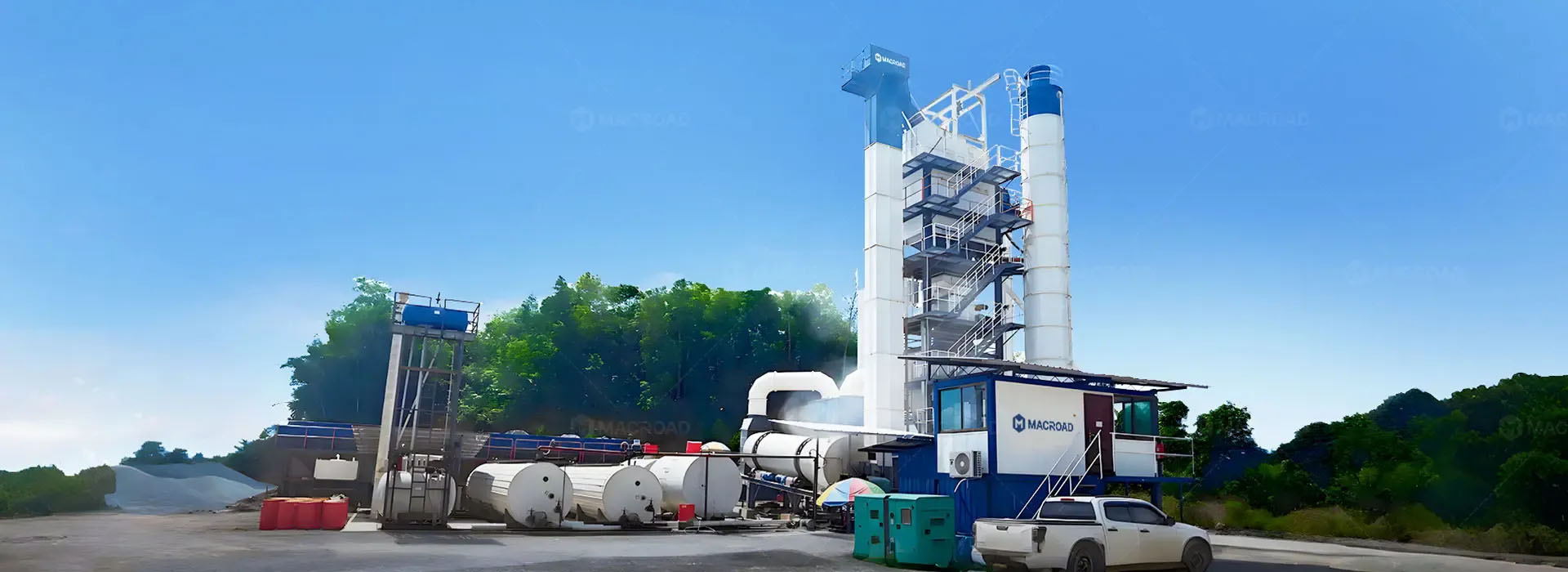
What is a hot mix plant? A hot mix asphalt plant produces asphalt at controlled high temperatures, creating strong, weather-resistant mixtures ideal for Indonesia’s tropical climate. In Indonesia, fast, reliable asphalt is key for roads, highways, and airports. Macroad offers asphalt batch plants tailored for local needs, helping your projects run smoother and faster.
 Capacity: 10tph-400tph
 Price Range: $30,000-$800,000
 Mobile/Stationary Batch Type
Hot Mix Asphalt Plants Are Trusted by Local Contractors in Indonesia
From Jakarta’s busy highways to Surabaya’s city roads and Makassar’s coastal projects, contractors across Indonesia trust Macroad amp hotmix for smooth, durable results. 🚧 Proven on real job sites, our asphalt plants keep projects running efficiently — rain or shine. See how Indonesian clients rate the performance below.
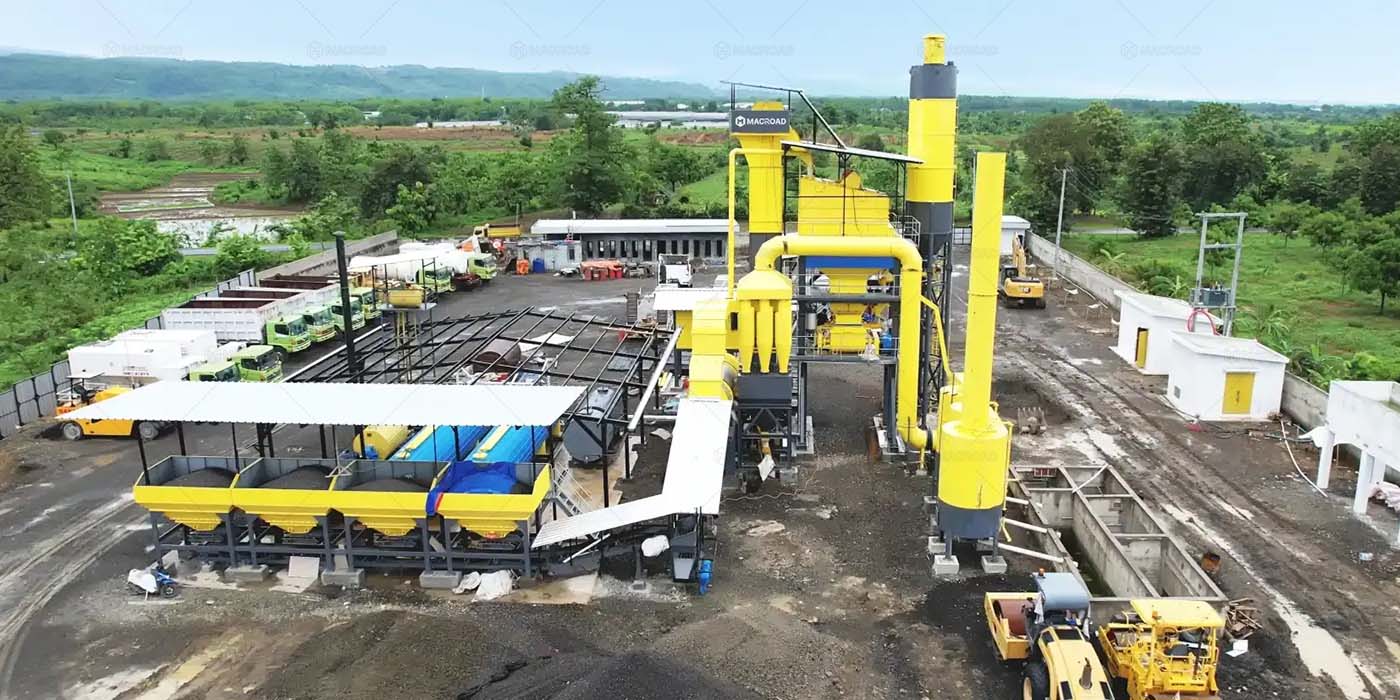
Asphalt Batching Plant ALQ100 Was Used for Producing Asphalt Aggregates
Capacity: 100TPH
Delivery time: May, 2025
Location: in Subang, Indonesia
Customer Review: Our new purchasing asphalt hot mix plant in Subang has been running great since May 2025. The mix is super consistent, weighing is very precise — errors stay within ±0.5%. We’ve produced over 100,000 tons already, and it’s still running steady with almost no issues.
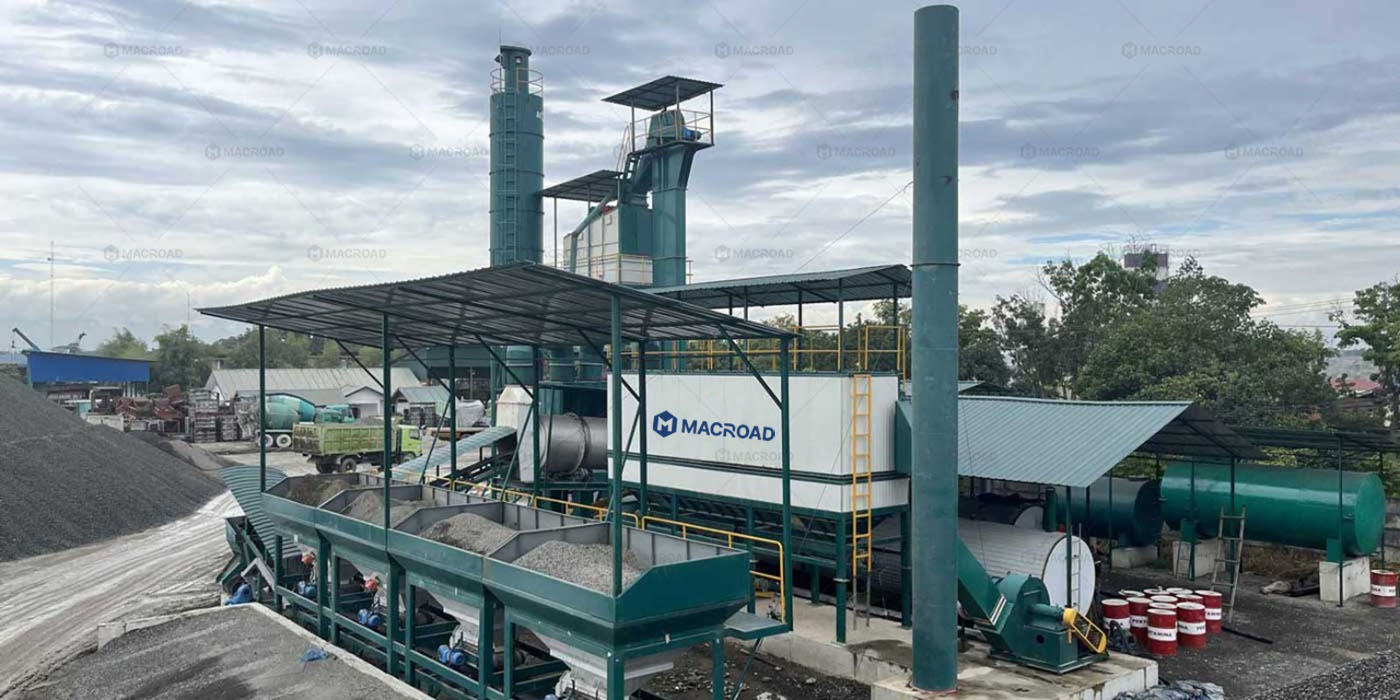
Hot Asphalt Mixing Plant ALQ80 Was Used for Highway Asphalt Paving
Capacity: 80TPH
Delivery time: March, 2024
Location: in Medan, Indonesia
Customer Review: Running the ALQ80 in Medan since March 2024 has been smooth. The one-click control makes operations simple — what used to take 50 steps now takes just one. Output is stable, and the asphalt mix quality is very consistent. We are very satisfied with it.
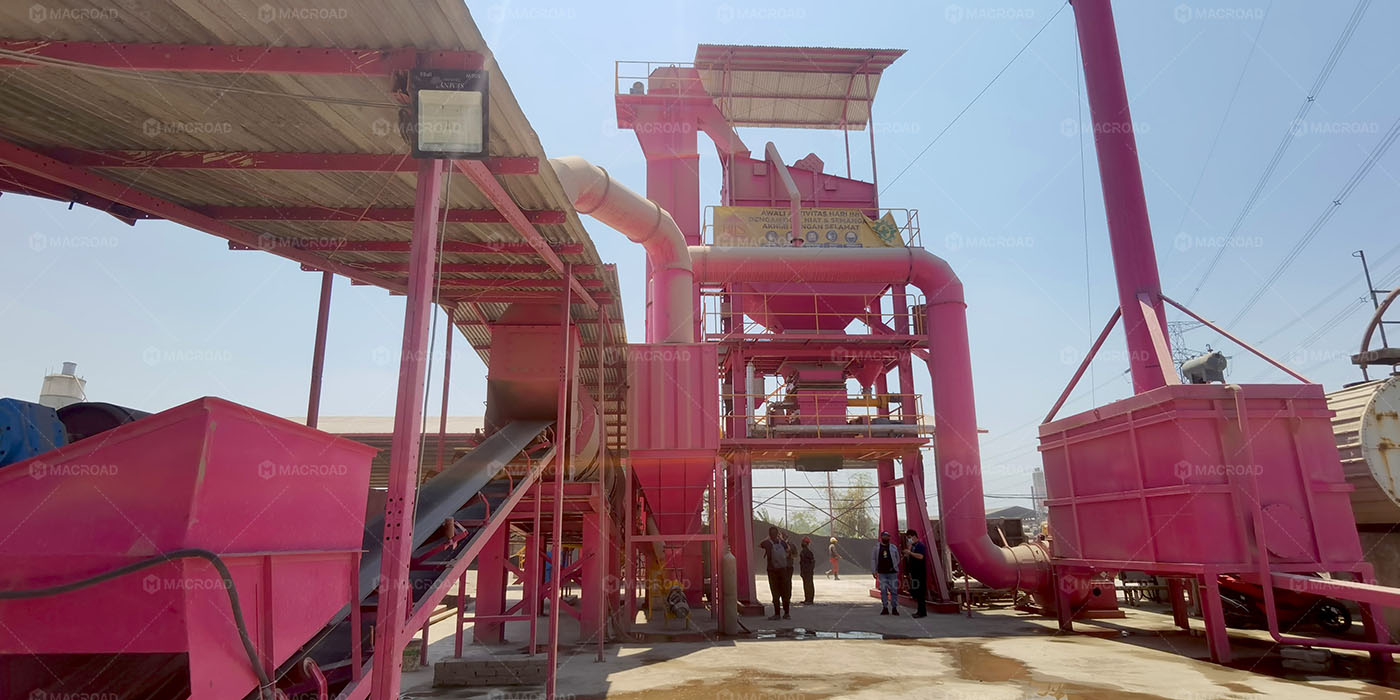
AMP Hotmix ALQ80 for Highway Construction and Country Road Construction
Capacity: 80TPH
Delivery time: August, 2023
Location: in Jakarta, Indonesia
Customer Review: Our company has been running 80TPH for highways and rural roads in Jakarta since August 2023. The IoT monitoring keeps everything in check, and maintenance alerts cut downtime. Automation makes batching and mixing easy — we’ve already produced over 80,000 tons smoothly.
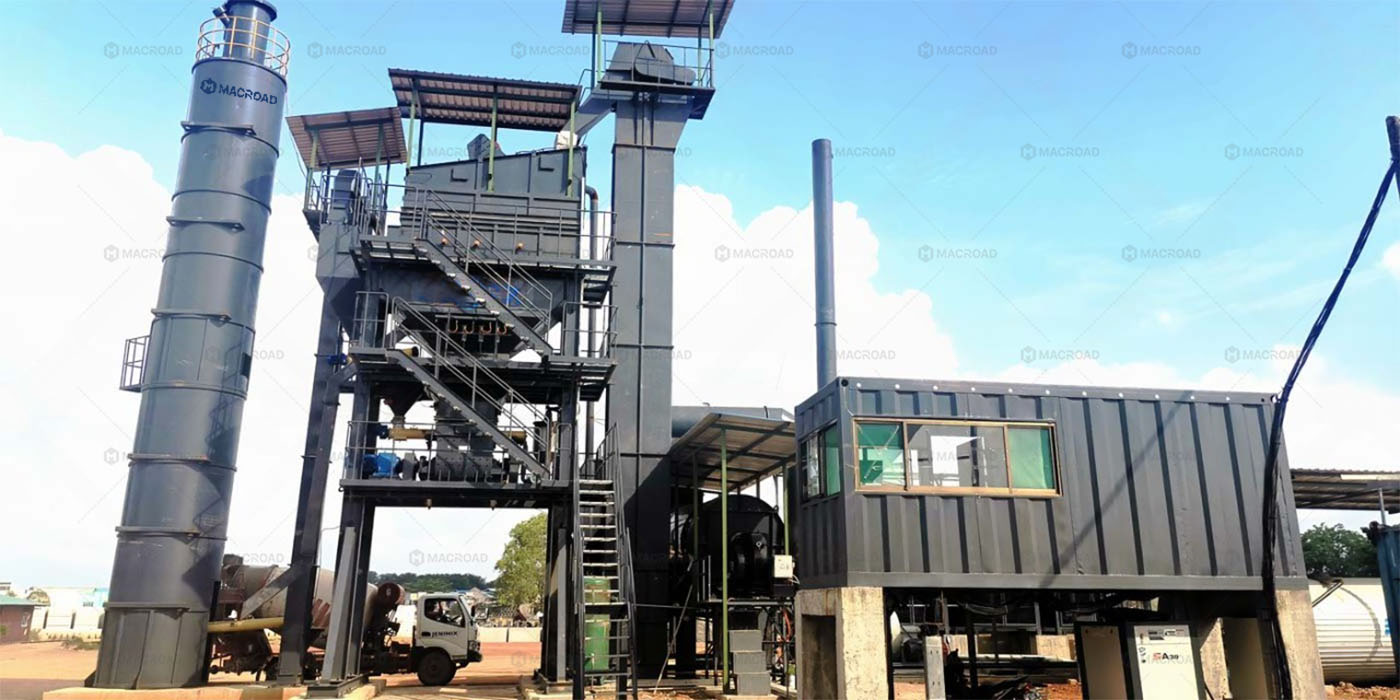
ALQ80 Asphalt Hot Mix Plant Was Installed for Water Conservancy Construction
Capacity: 80TPH
Delivery time: February, 2023
Location: in Batam, Indonesia
Customer Review: We’ve been using 80TPH in Batam for our water conservancy project since February 2023. The hma plant runs reliably, and the flexible operation modes — computer, touchscreen, or buttons — make it easy for everyone. The Indonesia team’s support and guidance were excellent — highly recommend!
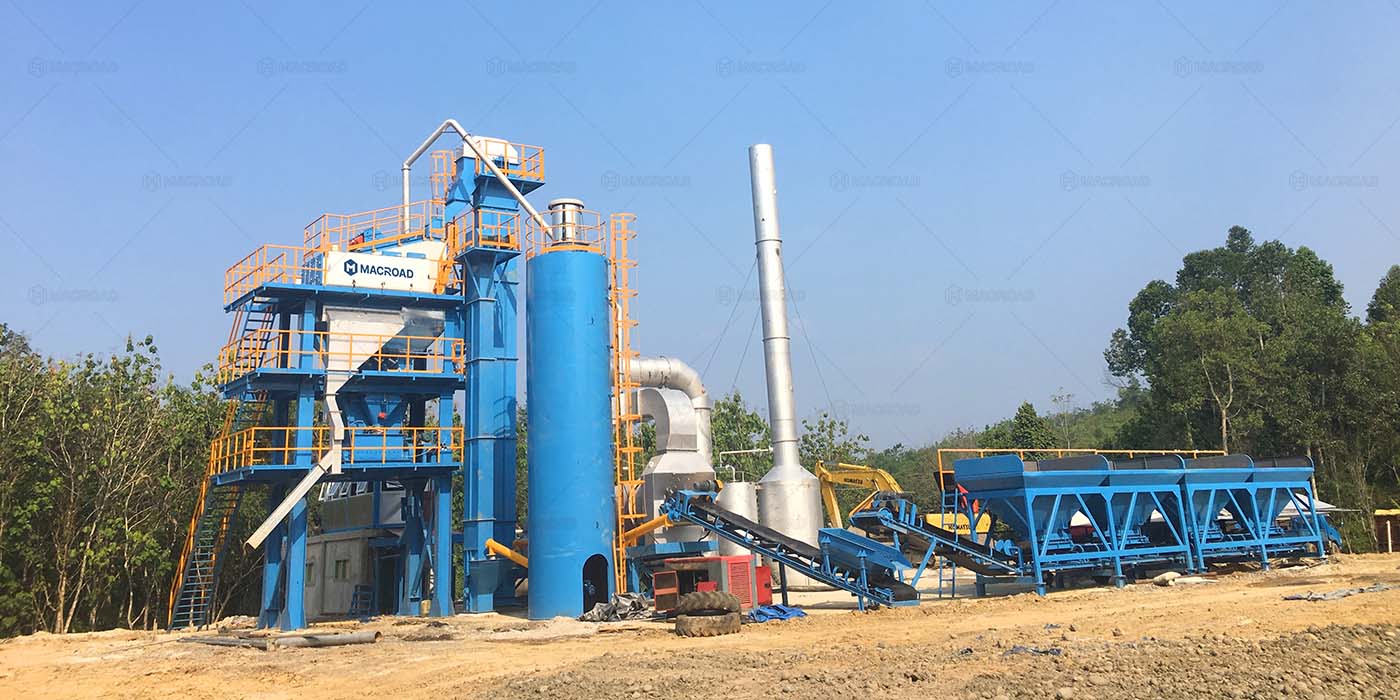
Hot Mix Bitumen Plant ALQ80 Was Applied in Port Construction
Hot Mix Plant Capacity: 80TPH
Delivery time: June, 2022
Location: in Palembang, Indonesia
Customer Review: 80TPH batch type pabrik aspal hotmix dijual in Palembang has been used for our port project since June 2022. The high-precision weighing keeps aggregate error within ±0.5% and asphalt within ±0.25%, so the mix quality is always top-notch. Production is steady, and it’s really helped us stay on schedule.
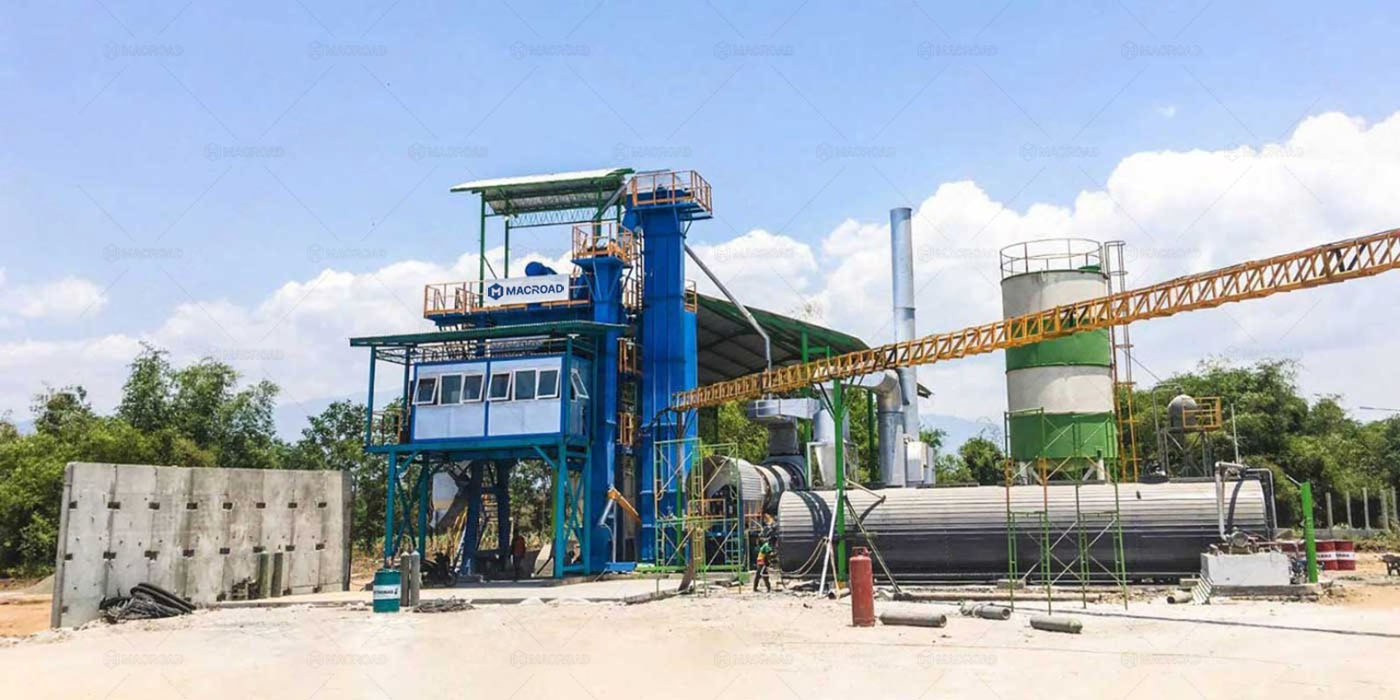
ALQ100 Central Hot Mix Plant Was Installed for Highway Construction
Capacity: 100TPH
Delivery time: March, 2021
Location: in Surabaya, Indonesia
Customer Review: We’ve been using 100TPH hmp plant in Surabaya since March 2021 for highway construction. The hot mix bitumen plant runs reliably, producing over 120,000 tons of high-quality asphalt. The team’s support and guidance made installation and operation really smooth — highly recommend!
As Indonesian contractors trust hot mix asphalt plants for smooth, durable roads, the next question is — which type fits your project best? From stationary and portable hot mix asphalt plants to small portable mixers, each solution has its strengths for different sites, scales, and budgets. Let’s explore the options so you can pick the right fit for your project.
What Are the Different Types of Hot Mix Asphalt Plants
Planning a road project in Indonesia — from Jakarta’s city streets to Kalimantan’s remote village roads? Choosing the right hot mix asphalt plant for sale is crucial. Do you need a fixed hma plant for big projects, a hot mix mobile plant for moving sites, or a small portable mixer for tight spaces? Let’s explore each type and find the best fit for your project.
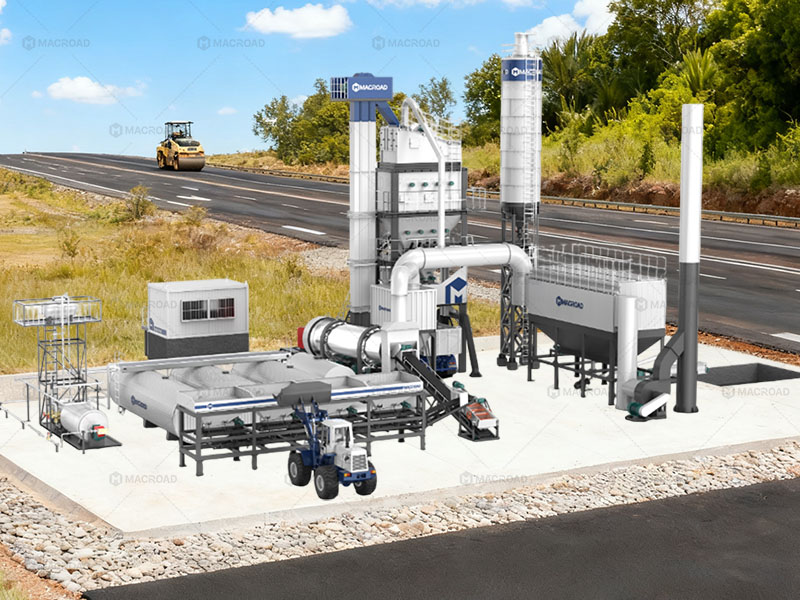
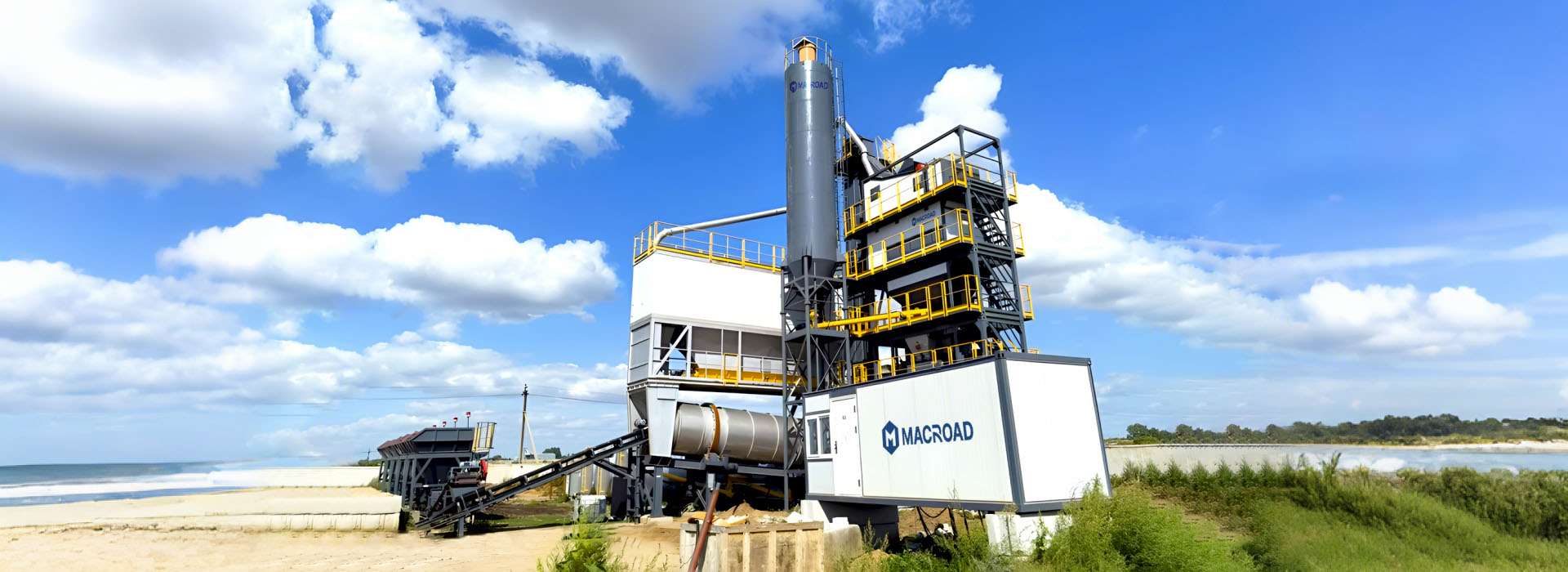
Stationary Batch Type Hot Mix Plant
Best Selling Models: ALQ-80ALQ-100ALQ-120
- Capacity: 40-400TPH
- Cycle Time: 45s
- Asphalt Temperature: 140-180 ℃
- Dust filter: Gravity/Cyclone/Bag/Water dust filter
- Best for: Long-term urban road and highway construction
ALQ Series Stationary HMP Plant Features
- One-click control: 50 steps cut to 1, 40% faster setup.
- 3 operation modes: Computer, touchscreen, button.
- IoT monitoring: Real-time alerts, 30% less downtime.
- High precision: ±0.5% aggregate, ±0.25% asphalt.
- Ultra-durable: Handles 1 million tons, built for local roads.
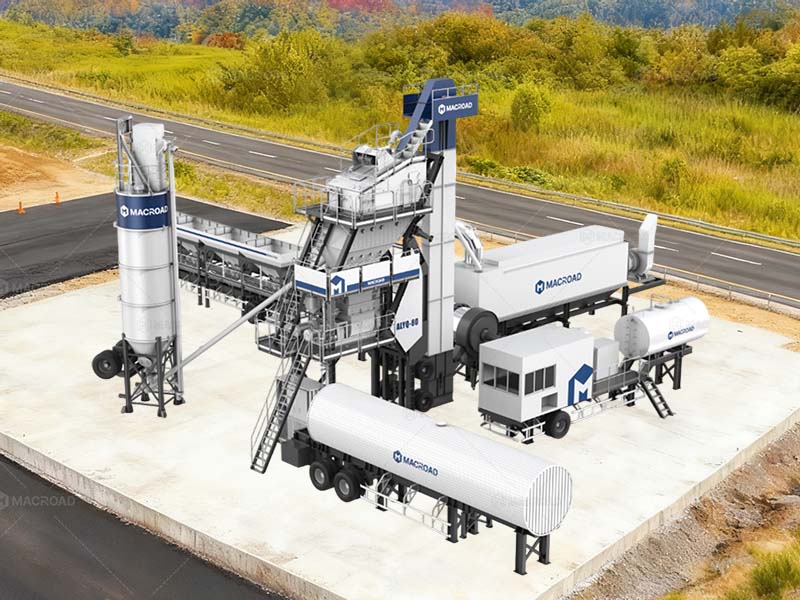
Hot Mix Type Mobile Asphalt Mixing Plant
Best Selling Models: ALYQ-80ALYQ-90
- Capacity: 40-160TPH
- Cycle Time: 45s
- Asphalt Temperature: 120-180 ℃
- Dust filter: Gravity + Bag dust filter
- Best for: Scattered Sites and Short-term Projects
ALYQ Series Hot Mix Mobile Plant Features
- 24h setup: Modular design, no foundation, saves 30%.
- AI control: Cuts labor from 4 to 2, auto check and alerts.
- PowerMix: Boosts output 15%, adds 10 t/h, lasts 5 yrs.
- Quick screen: 1-person, 2× faster, 2k h maintenance-free.
- Precision weighing: ≤1% error, saves 80 t/day, lowers cost.
Now that you know the different types of hot mix asphalt plants, the next big question is — how much does it cost in Indonesia? Let’s break down the hot mix machine price and see what factors really affect your investment and project returns.
What is the Hot Mix Plant Price?
When planning your road construction project in Indonesia, hot mix plant cost is often the first question that comes to mind. Generally, hot mix asphalt plant price ranges from $20,000 to $800,000, depending on capacity, mobility, and configuration. But remember — the right hma plant is not the most expensive one, it’s the one that gives you stable output, easy operation, and long-term savings. Let’s learn about the harga hotmix amp and get the hot mix plant pdf in detail.
What is the ALQ Series Price
40TPH-320TPH ALQ Series Stationary Asphalt Hot Mix Plant Price Range: $50,000-$800,000
What is the ALYQ Series Price
60TPH-120TPH ALYQ Series Mobile Hot Mix Plant Price Range: $150,000-$450,000
Knowing the price range of hot mix bitumen plants is just the first step. To make a smart investment in Indonesia, you also need to understand what factors affecting hot mix plant prices — from capacity and mobility to fuel type, automation, and local service. Let’s break down the key elements that affect your cost and project returns.
What Affects Hot Mix Plant Price in Indonesia?
Buying an amp hotmix isn’t just about the price — it’s about how fast you recover your investment and how smoothly your project runs. In Indonesia, from Java to Sulawesi, fuel costs, site mobility, and service access make a big difference. Knowing these factors helps you pick a hmp plant that fits your project and budget.
Production Capacity & Output Needs
Mobility & Installation
Fuel Type & Energy Efficiency
Automation & Control System
After-Sales Service & Spare Parts
Understanding what drives bitumen hot mix plant prices in Indonesia is key for smart investments. Costs alone aren’t enough. Contractors and investors need to see the bigger picture of the Indonesian HMA market. This includes demand hotspots, infrastructure trends, and growth opportunities. Let’s explore the market in depth.
Indonesia Hot Mix Asphalt (HMA) Market Deep Dive for Local Business
Imagine this: your pabrik aspal hotmix is busy laying down a shiny new highway in Jakarta. The machines roar, the hot asphalt spreads smoothly—and every ton represents profit and opportunity. In 2025, Indonesia’s market is booming with projects and demand—but how do you grab this wave of opportunity and maximize returns? Should you invest in a flexible mobile asphalt plant or build a long-term fixed HMA facility? This report will help you see the full picture.
Market Size & Growth → “HMA Market at a Glance”
- Total Market: Around $3.4 billion in 2025, expected to surpass $4.5 billion by 2030.
- Growth Drivers: Highway expansions, city road upgrades, airport runway renovations—each project fuels HMA demand.(Enviro News)
- Product Share: Standard HMA remains dominant at 65%-70%, while modified and specialty asphalt are growing fast—high-margin opportunities!
- Seasonality: Rainy season (Nov-Mar) slows construction; dry season sees demand spikes. Plan capacity ahead to avoid missing peak demand.
Products & Tech → “From Standard to High-Performance Asphalt”
- Standard HMA: Reliable for highways, city roads, and airport runways.
- Modified Asphalt: SBS, rubber powder, or polymer-modified for better crack resistance and rutting performance; 2025 market size around $895 million.
- Additives: Reclaimed asphalt powder, fibers, and mineral fillers improve durability and sustainability; market size around $93.6 million.
- Tech Trends: Smart batching systems, warm mix asphalt (WMA), and recycled asphalt (RAP) are reducing energy costs and carbon footprint while adding “green value.”(Fortune Business Insights)
Materials & Supply → “Fueling Your Hot Asphalt Plant”
- Main Materials: Natural asphalt, refinery by-products, polymer modifiers.
- Supply Dependence: Mainly Pertamina, with 15%-20% imports; logistics bottlenecks can slow delivery, especially in eastern regions.
- Price Volatility: Oil price, transport costs, and policies (like B40 biodiesel) directly affect HMA costs.
- Investment Tip: Secure long-term supply contracts/investors to lock prices and ensure steady output.
Policy Impact → “Rules That Shape Your Profits”
- Infrastructure Investment: Government is heavily funding roads, ports, and airports—each project is a market opportunity.
- B40 Biodiesel Policy: 40% palm oil blending affects energy costs.
- Environmental & Low-Carbon Initiatives: Warm mix and recycled asphalt are encouraged; investing in eco-friendly equipment can give a competitive edge.
- Construction Standards: SNI certification ensures durable, safe roads—non-compliance can create costly risks.
Regional Demand → “Where Asphalt Opportunities Shine”
- Jakarta / West Java: High project density, biggest demand—ideal for fast ROI.
- East Java & Bali: Active tourism and municipal projects, strong demand for mid-size HMA plants.
- Sumatra, Kalimantan, Sulawesi: Resource-rich but logistically challenging, long-term strategic potential.
- Applications: Highways 50%, bridges 20%, city roads 20%, airport runways 10%.
- Tip: Choose project locations based on accessibility, policy support, and construction frequency for faster returns.
Key Players → “Who’s Competing, Who’s Leading”
- State-owned Enterprises: Pertamina, WIKA Bitumen—control most resources.
- Private Companies: PT. Indocement Tunggal Prakarsa, PT. Adhi Karya—flexible and responsive.
- Foreign / Joint Ventures: Chinese, Korean, and Japanese firms involved in large-scale projects.
- Competitive Strategy: High-performance modified asphalt, fast-deploy mobile pabrik aspal hotmix, integrated service and logistics are key to winning the market.
Investment Paths → “Mobile or Fixed? Your Options”
- Mobile Asphalt Plants: Flexible and fast, ideal for municipal projects or post-disaster repairs; quick ROI.
- Fixed Large HMA Plants: Stable output, suited for long-term supply to highways, airports, and major infrastructure.
- High-Value Products: Modified and eco-friendly asphalt offer higher profit margins, perfect for differentiation.
- Collaboration Models: Vertical integration with contractors, government projects, and raw material suppliers secures output and profit.
- Payback Period: Large fixed hot mix asphalt production plants ~3-4 years, mid-size mobile asphalt plants ~2-3 years; depends on project scale and policy support.
Risks → “Watch Out: Market Challenges Ahead”
- Weather: Rainy season slows construction, affecting demand and revenue.
- Supply Chain: Raw material price swings and transport delays can impact project timelines.
- Policy Changes: Environmental or energy regulations may increase operating costs.
- Competition: SOEs, private firms, and foreign companies compete aggressively.
- Technical Risk: Outdated equipment or improper mix design can lead to compliance issues or construction failures.
Summary → “Your 2025 Asphalt Roadmap”
- Indonesia’s HMA market in 2025 is still growing, with abundant opportunities.
- Focus on modified asphalt, eco-friendly asphalt, and mobile hot mix plants for higher-margin segments.
- Choose locations with policy support, good transport access, and active infrastructure investment.
- Build stable raw material supply chains and long-term contracts to reduce cost and risk.
- Tech upgrades, smart control, and low-carbon processes will be the keys to future competitiveness.
After exploring the Indonesia Hot Mix Asphalt (HMA) market, it’s clear that contractors or investors face diverse projects, tight schedules, and strict quality standards. The next question is — which asphalt plant type best meets these local challenges? Let’s see why batch type hot mix asphalt plants have become the top choice across Indonesia.
Why Batch Type Hot Mix Asphalt Plants Are the Top Choice in Indonesia
For Indonesian roads and highways, you may need reliable, high-quality asphalt and flexible production. Batch type hot mix plants deliver precise mixes, fast setup, and policy-compliant operation. Let’s explore why they outperform drum type plants across performance, efficiency, and cost.
| Feature | Batch Type (Stationary/Mobile) | Drum Type (Stationary/Mobile) | Value for Indonesian Clients |
|---|---|---|---|
| Production & Accuracy | Batch weighing & mixing, aggregates ±0.5%, asphalt ±0.25% | Continuous production, lower accuracy, output fluctuates | High-standard roads, airports, and ports require stable, precise asphalt; Batch Type preferred |
| Capacity Flexibility | Adjustable mix ratio, supports multiple aggregates & asphalt types | Fixed capacity, limited flexibility | Indonesia projects vary (highways, city roads, rural roads); Batch Type adapts easily |
| Mobility & Commissioning | Mobile: 24h quick relocation; Stationary: stable foundation | Mobile: slow relocation; Stationary: requires foundation | Indonesian sites are often dispersed; Batch Type saves time & costs |
| Maintenance & Durability | Smart monitoring, auto inspection, mixer blades last 5+ years | Continuous operation wears faster, complex maintenance | Low downtime and operational cost are crucial; Batch Type wins |
| Environmental & Regulatory Compliance | Efficient dust removal, low noise, 15% energy saving, easy approval | Harder to control emissions, high noise, less energy-efficient | Strict regulations for city and highway projects; Batch Type easier to comply |
| Applicable Projects | Highways, city roads, airports, ports | Small rural roads, low-standard projects | Batch Type covers a wide range of infrastructure in Indonesia |
| Investment & ROI | Slightly higher initial cost, higher efficiency, less waste, faster ROI | Lower investment, but higher long-term cost, unstable quality | Indonesian clients prefer efficient, stable, low-waste solutions |
Batch Type Hot Mix Asphalt Plants have proven their efficiency, precision, and reliability on roads, highways, and airports across Indonesia. But their impact isn’t limited to local projects. 🌍 Check out how our hot mix asphalt batch plants are helping projects worldwide by browsing some hot mix asphalt plant images!
Macroad Hot Mix Asphalt Plants in Overseas Projects
Macroad hot mix asphalt plants are proven worldwide, from busy highways in Indonesia to large-scale projects across diverse countries. Contractors trust our hma plants for high efficiency, precise asphalt quality, and reliable performance. Explore some pictures of our international installations and see how we help projects run faster, smoother, and smarter.
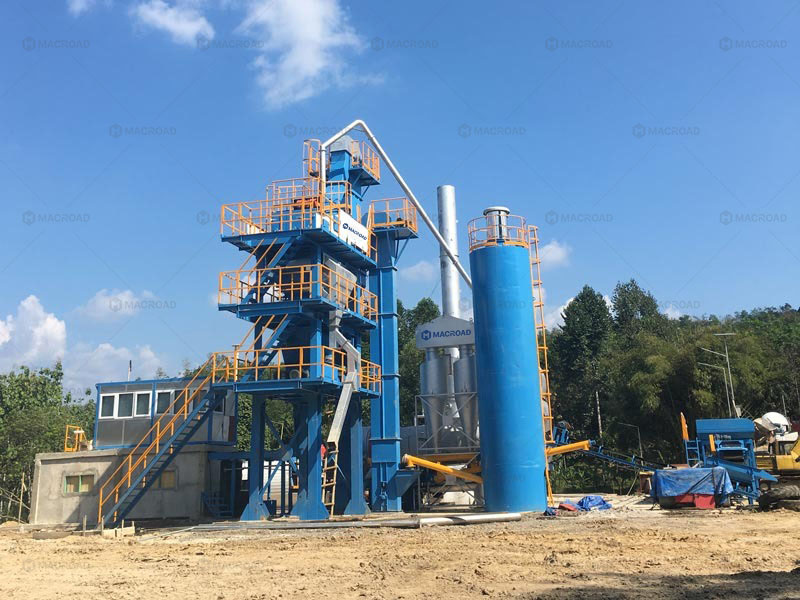
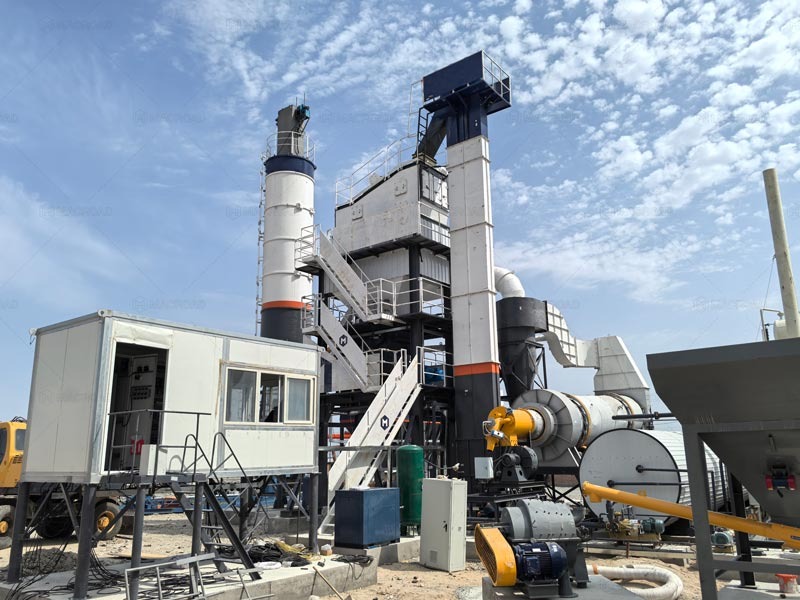
ALQ80 pabrik aspal hotmix in Palembang, Indonesia
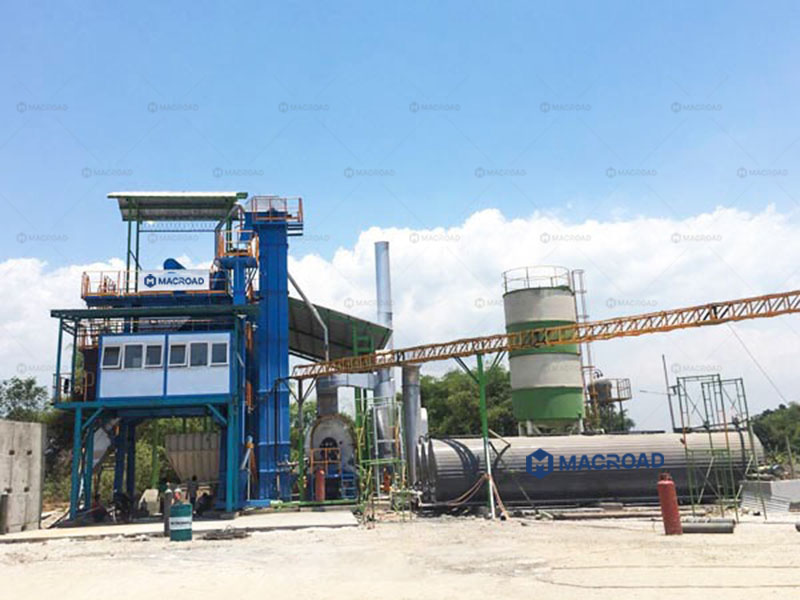
ALQ-100 asphalt hot mix plant in Indonesia
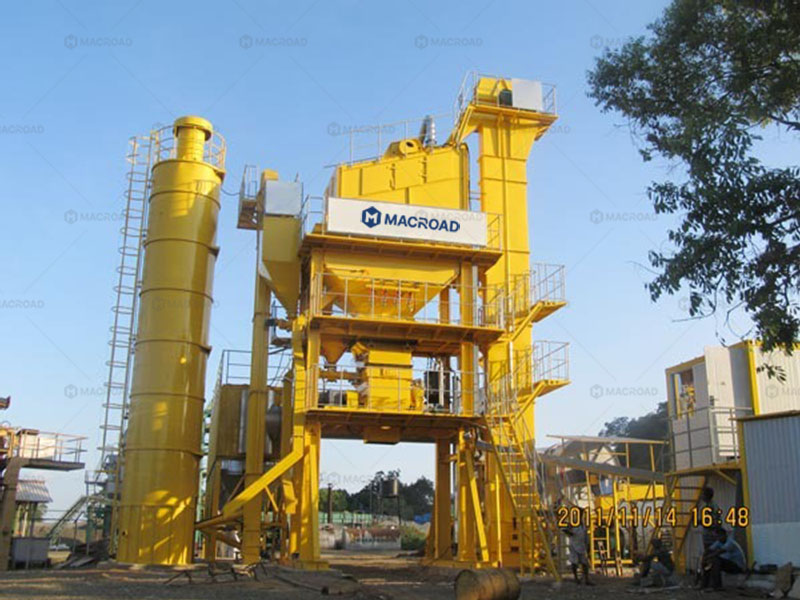
ALQ80 Hot Mix Plant for road construction in Malaysia
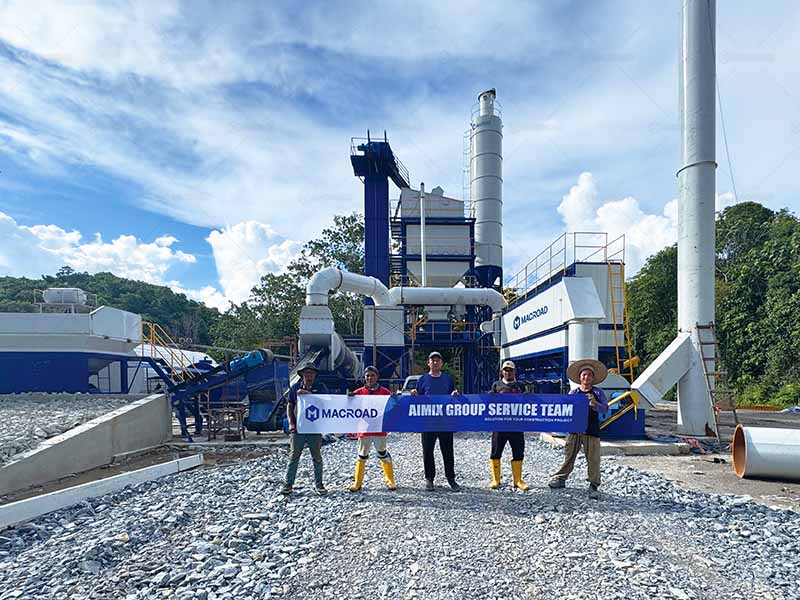
ALQ-120 hot mix asphalt plant in Malaysia
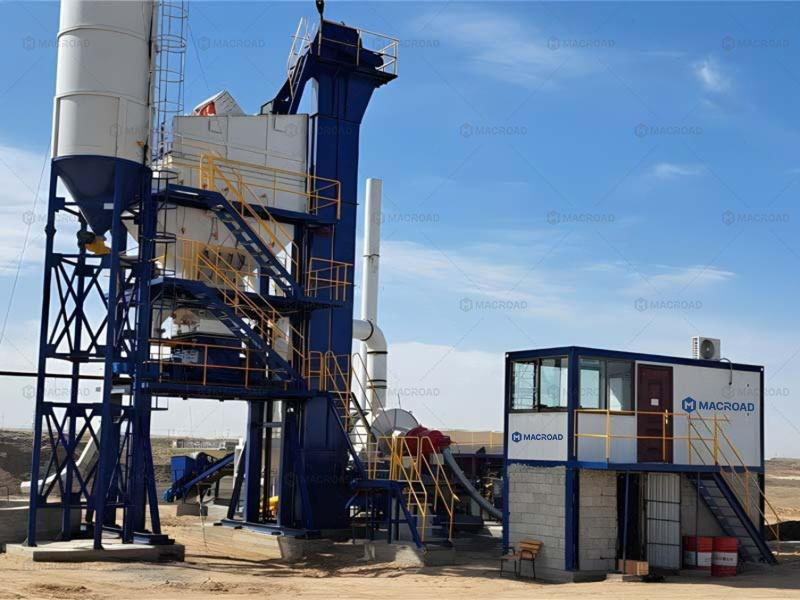
ALQ-60 mini hot mix plant in the Philippines
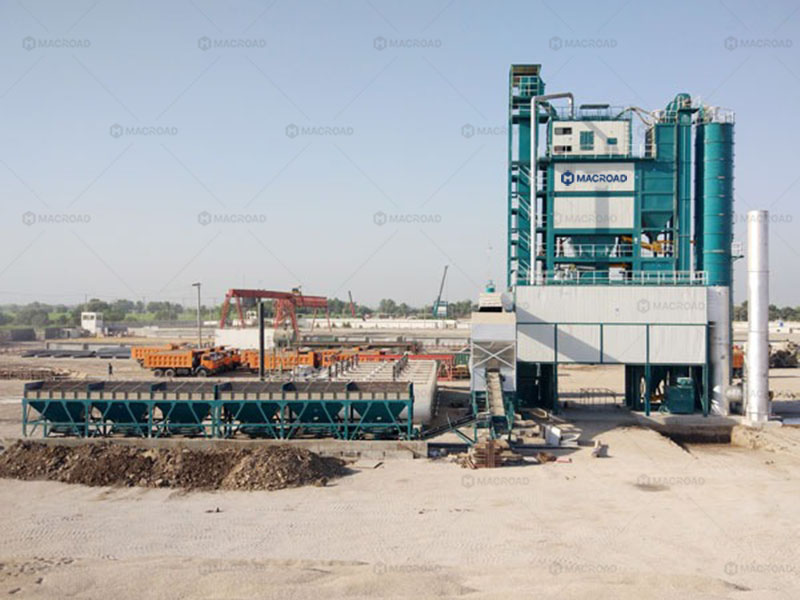
ALQ-100 hot mix plant set up in Pakistan
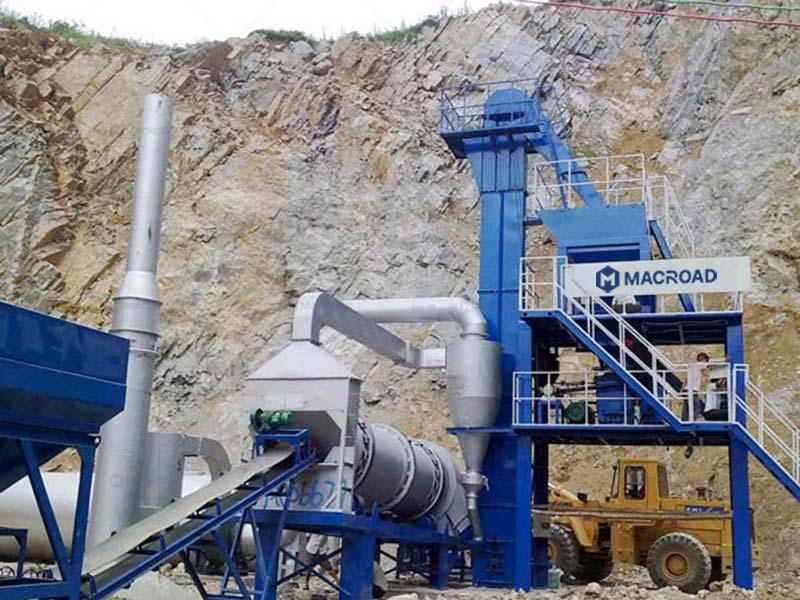
40TPH hot asphalt mix plant set up in Uruguay
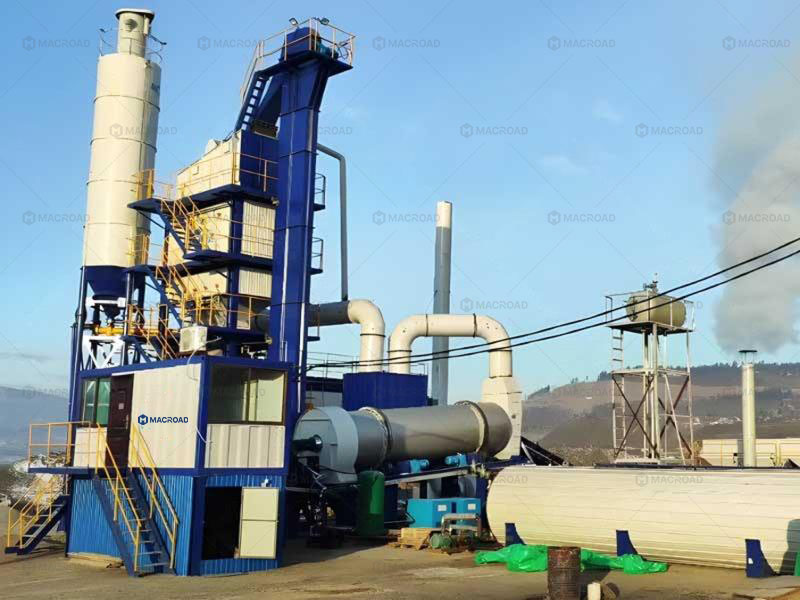
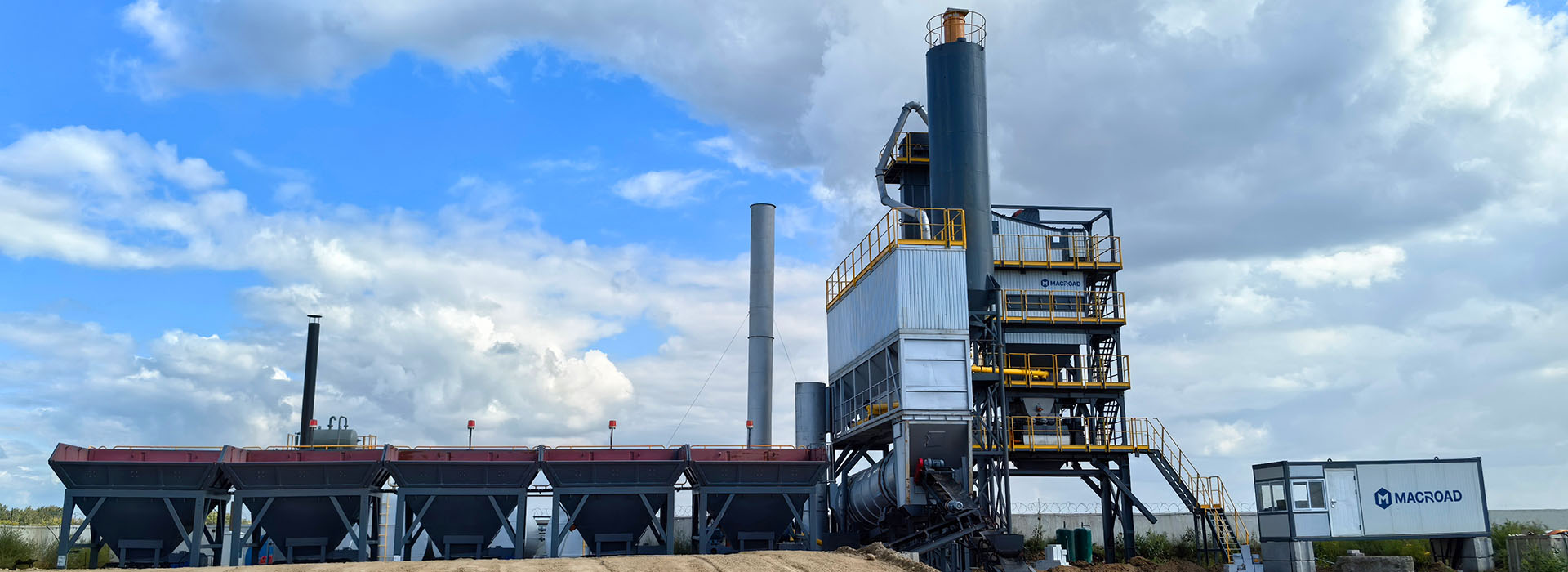
ALQ-80 hot mix asphalt plant in Russia
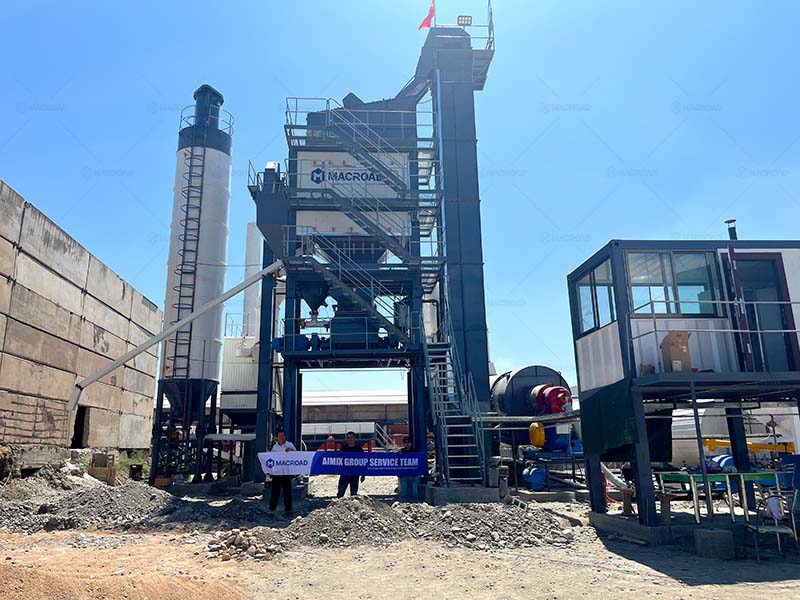
ALQ-120 hot mix plant in Uzbekistan
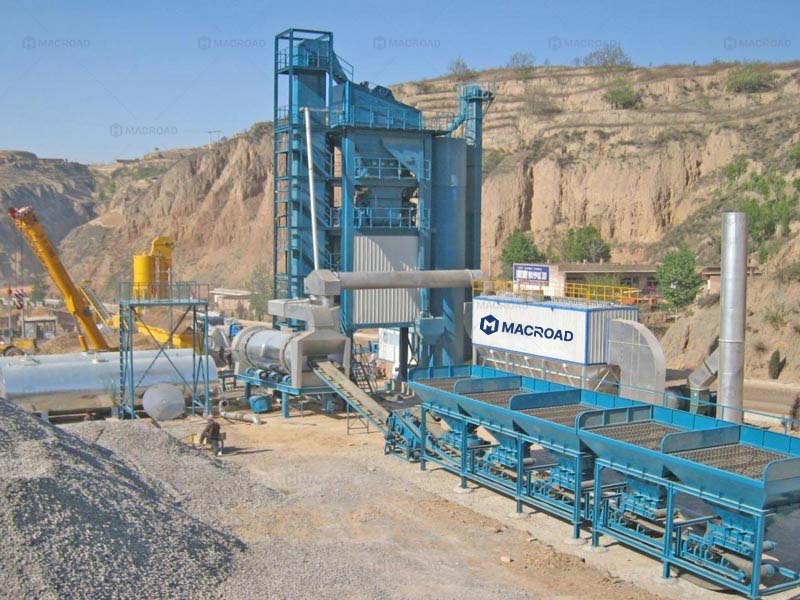
ALQ-80 Hot Mix Asphalt Plant in South Africa
Seeing Macroad hot mix asphalt production plants perform successfully around the world shows their reliability and efficiency. 🌏 But how do these hmp plants actually work?Understanding the working process helps you in Indonesia make informed choices and maximize project results.
How Does A Hot Mix Asphalt Plant Work?
How does hot mix plant work? Hot mix plant for road construction is used for producing asphalt concrete, which is a mixture of aggregate (stone, sand, or gravel) and asphalt cement (bitumen) heated and mixed together. To know the working principle of a bituminous hot mix plant is essential for evaluation about your project. Let’s learn about the hot mix plant flow chart together.
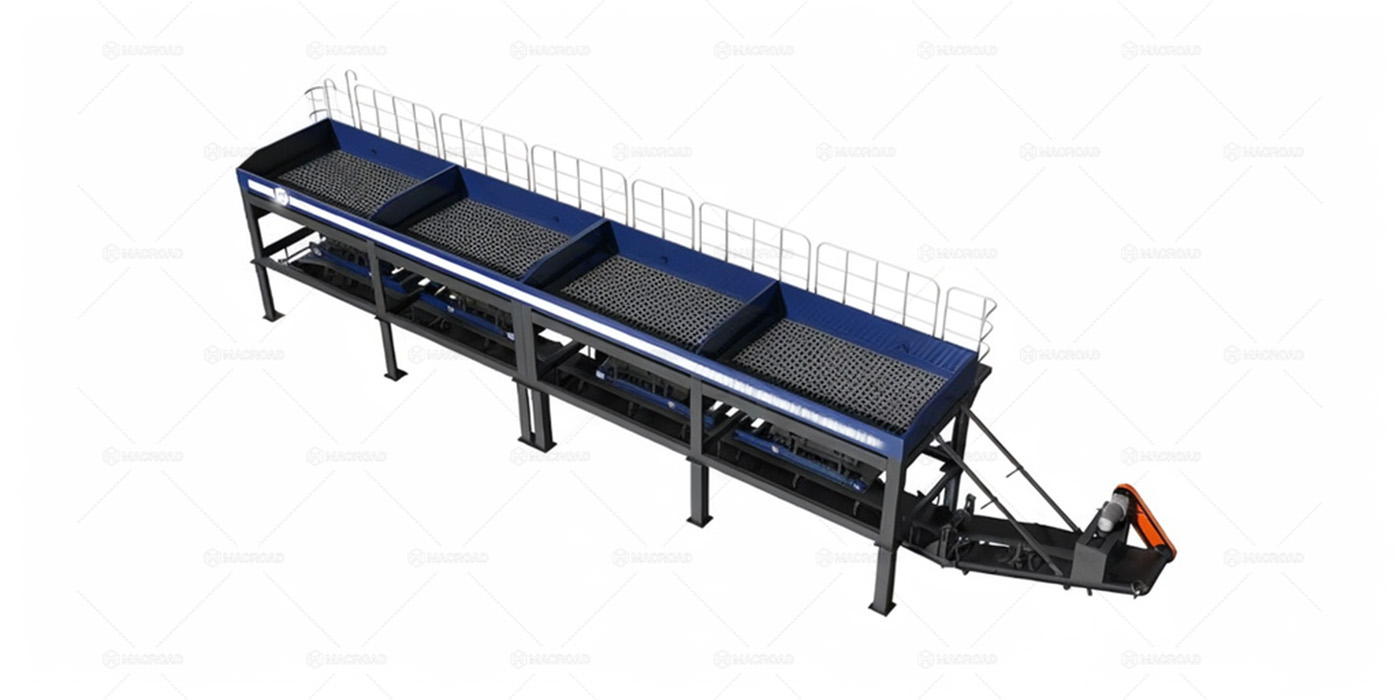

Aggregate Feeding
The process begins with feeding different sizes of aggregates into the cold feed bins.
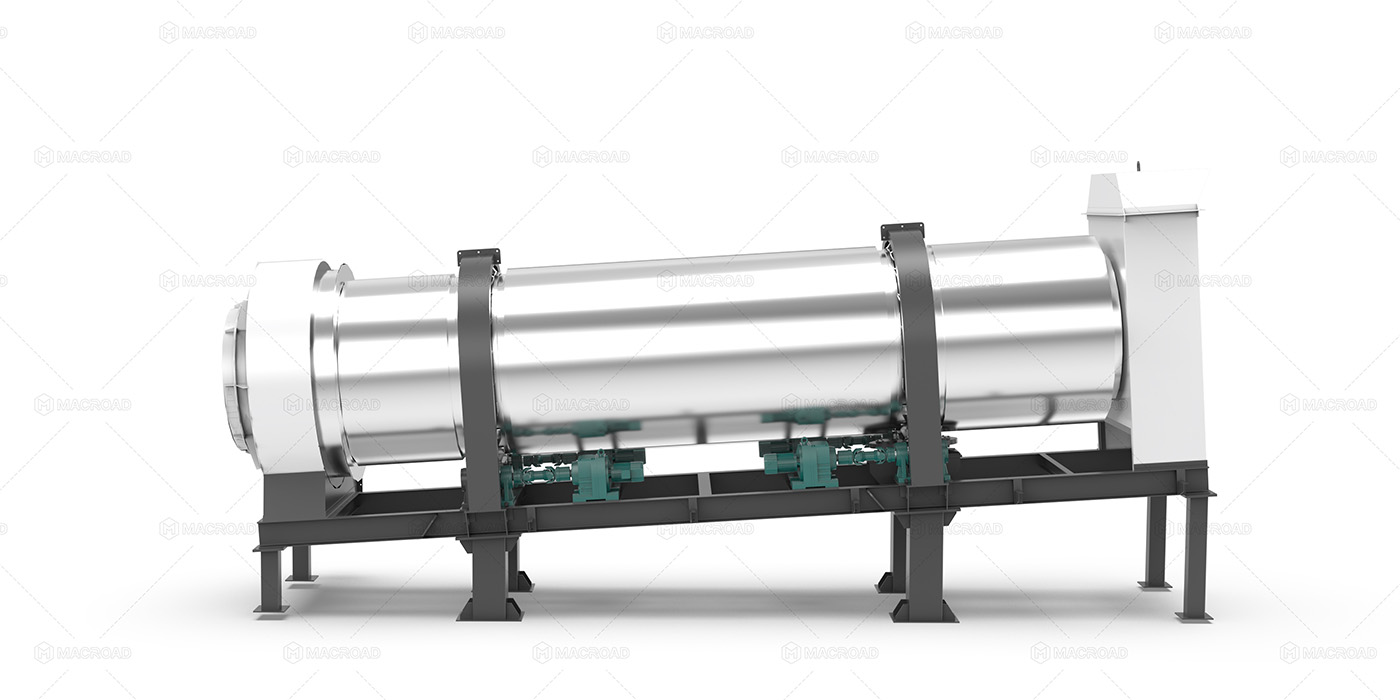
Drying and Heating
Aggregates move to the drying drum where they are dried and heated to the required temperature.
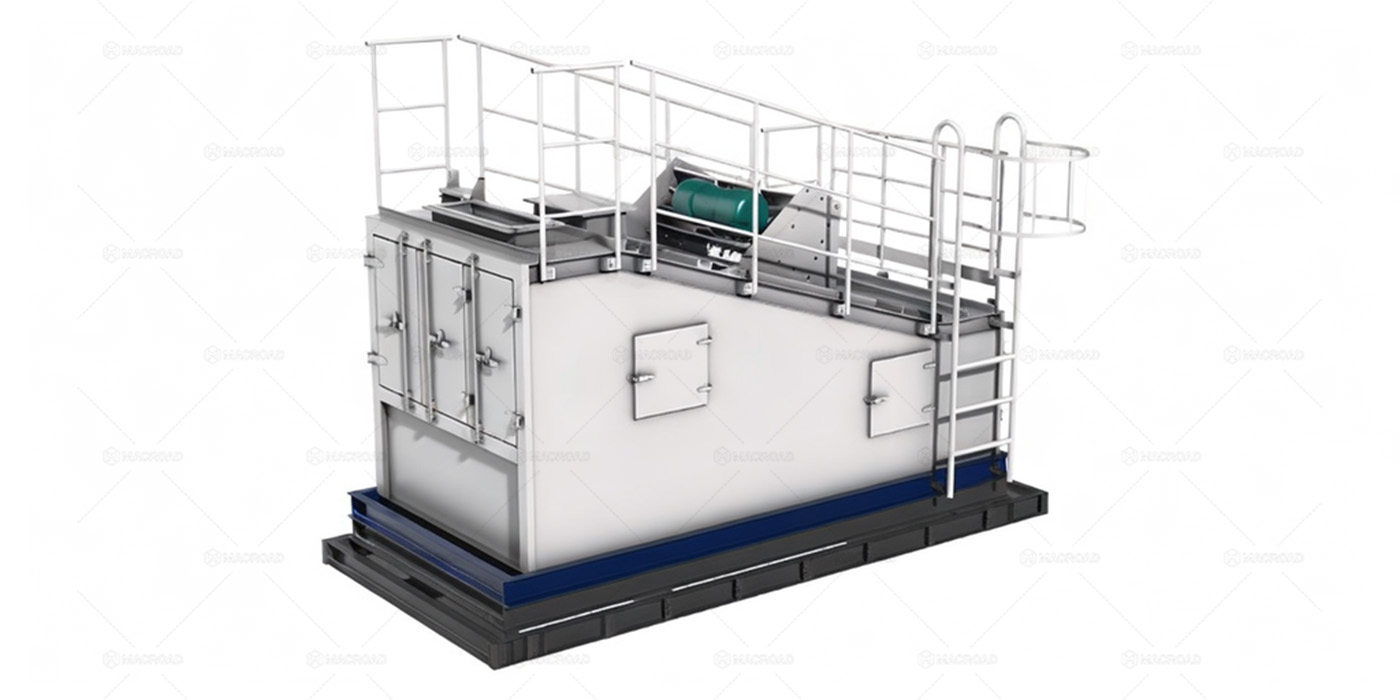
Screening
Heated aggregates are then screened to remove oversized materials and separate them into different sizes.
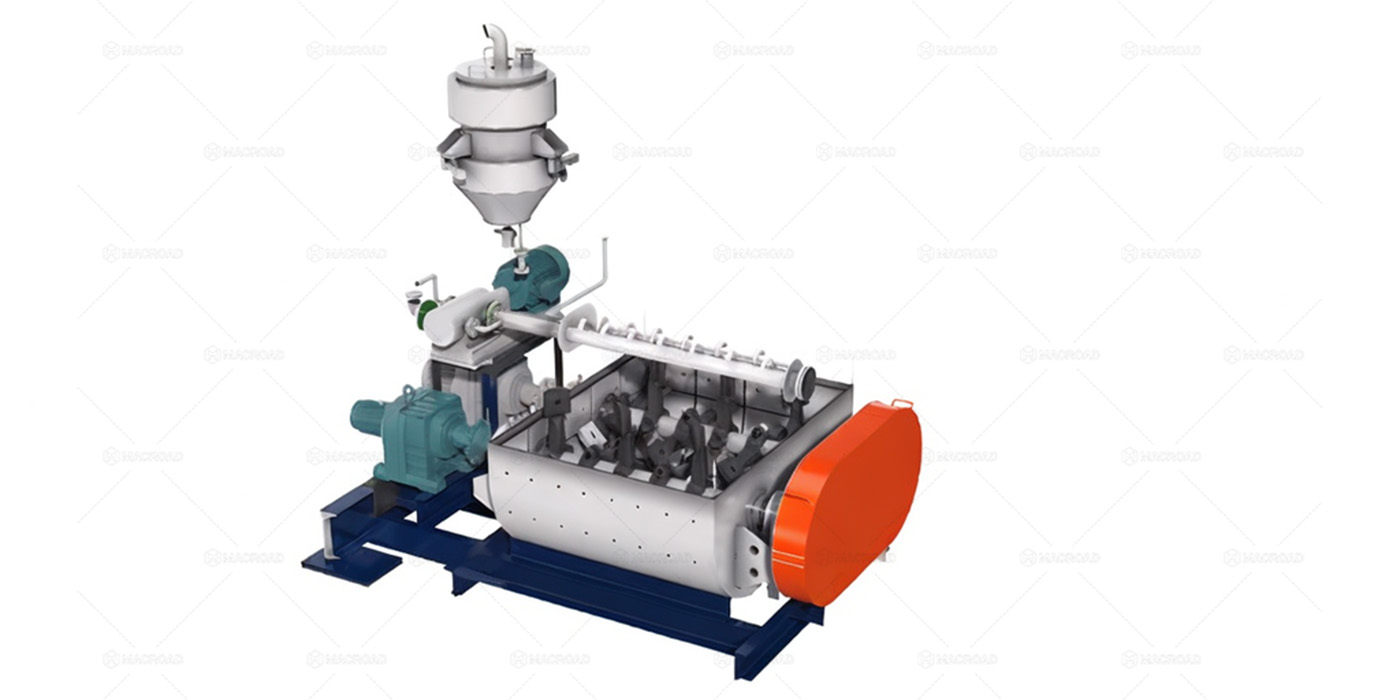
Mixing
The screened aggregates are transported to the mixing unit. Bitumen and filler are added to the aggregates in the mixing unit.
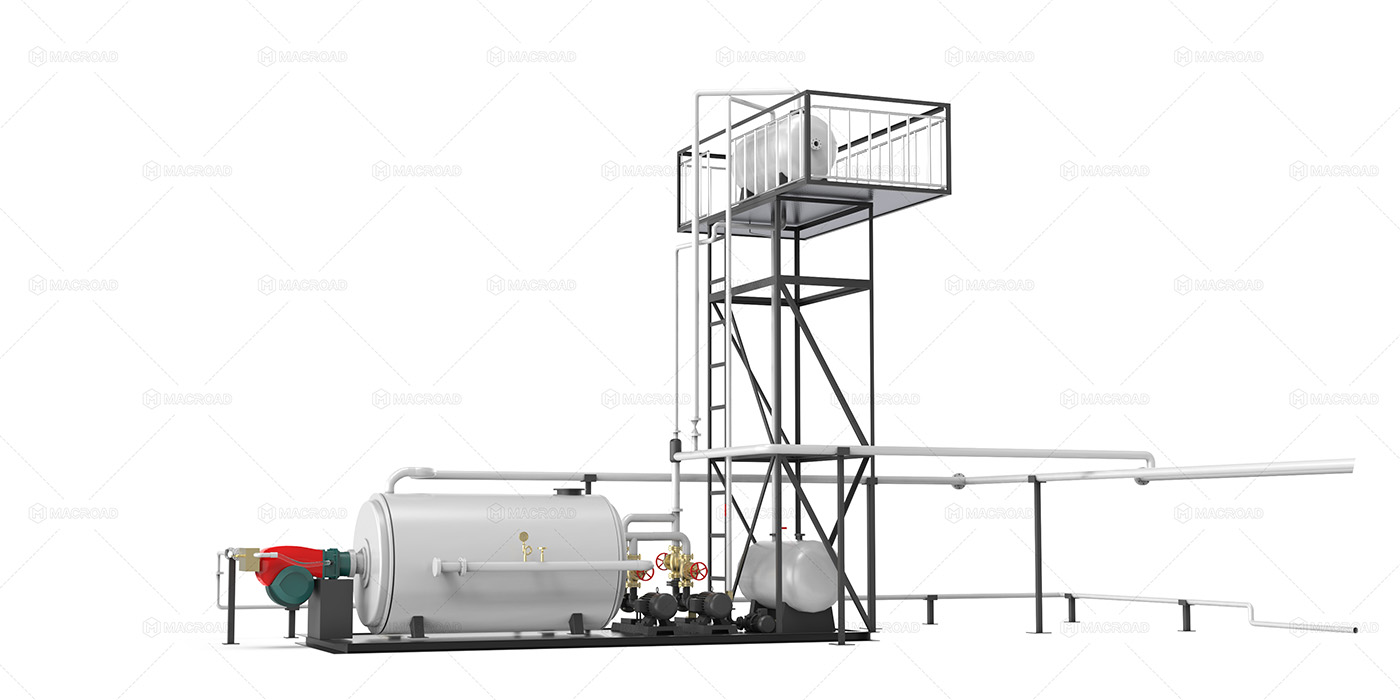
Storage and Loading
The hot mix asphalt is then stored in insulated silos. From the silos, the asphalt mix is loaded into trucks for transportation.
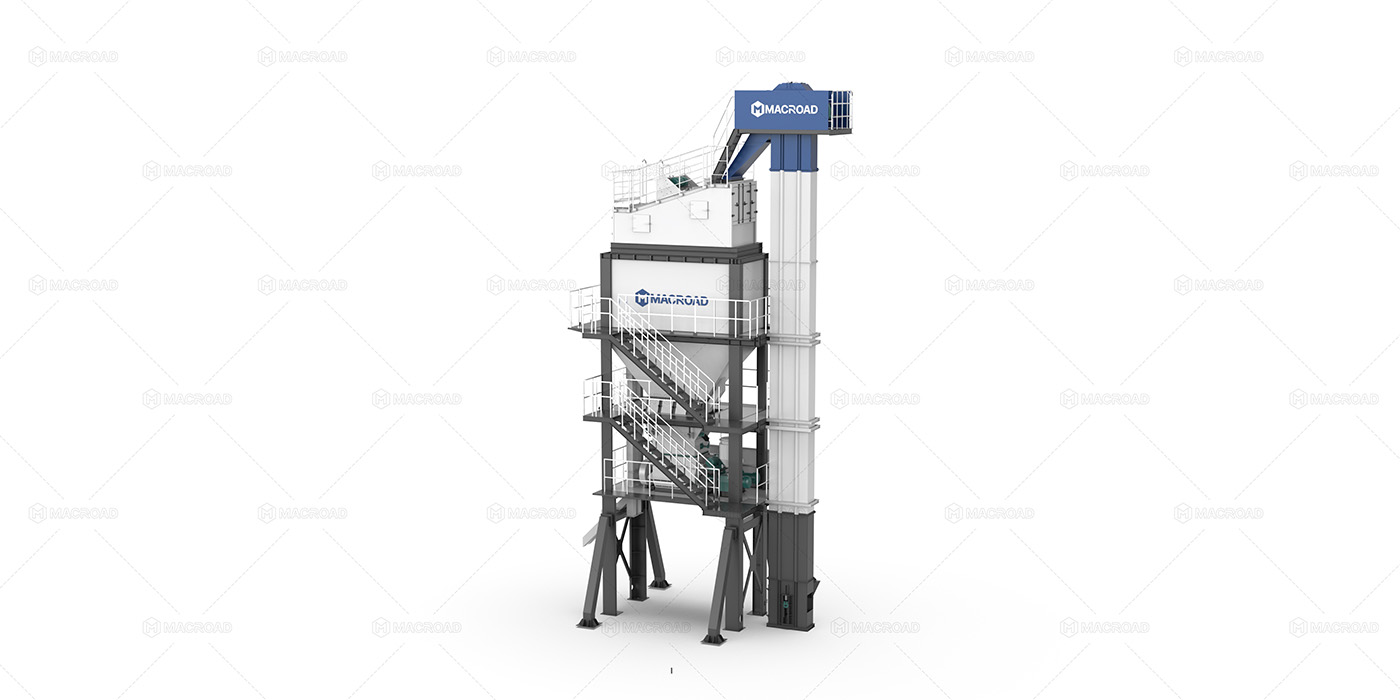
Quality Control
Throughout the process, quality control checks ensure the mix meets required specifications.
Now that you understand the hot mix asphalt plant flow diagram, the next step is choosing the right site for your hot mix plant. 🌏 Site selection directly impacts efficiency, safety, and compliance with local Indonesian regulations. Let’s explore the key precautions contractors should consider.
Site Selection Precautions for Hot Mix Batching Plant
Selecting an appropriate site for a hot mix batching plant is crucial for ensuring efficient operations and minimizing environmental impact in Indonesia. Several key factors need to be considered to make an informed decision. This guide outlines six essential precautions to help you choose the best location for your hmp plant.
Topography
Choose slightly elevated land with low groundwater (≤2 m), well-drained soil, and away from rivers prone to flooding during the rainy season (Nov–Mar).
Geological Conditions
Ensure stable, compacted soil, suitable for supporting heavy batching plants (≥100 tons) on islands like Java or Sumatra.
Transportation Access
Sites near main roads, highways, or ports like Jakarta, Surabaya, or Medan reduce transport costs and allow faster delivery to urban or rural projects.
Proximity to Residential Areas
Keep ≥500 m distance from villages or housing to reduce dust, noise, and community complaints, following Indonesian environmental regulations.
Construction Plan
Align hot mix asphalt plant layout with local terrain; plan efficient raw material flow from storage to mixer, especially in hilly or coastal areas.
Water and Electricity Sources
Ensure access to ≥20 m³/day water and stable electricity. Consider local grid stability in remote islands like Sulawesi or Papua.
By adhering to these six points, the selection of a site for a hot mix batching plant can be done more effectively and efficiently.
Hot Mix Asphalt Plant FAQs
What is the temperature of a hot mix asphalt plant?
What is the capacity of a hot mix plant?
Why are mobile hot mix plants so popular?
What is the mixing process in a hot mix plant?
What is a bitumen Hot Mix plant?
The Main Difference Between Hot Asphalt And Cold Asphalt
2)Hot mix asphalt depends on a slow process of cooling and curing to achieve maximum structural strength whereas cold mix asphalt is the most affordable option on the market, because it doesn’t need heat during the process.
What is hot mix asphalt?
What are the raw materials for a hot mix plant?
What are the ingredients in hot mix asphalt, and how is it made?
🇮🇩 Macroad Hot Mix Asphalt Plant Support in Indonesia
Macroad is committed to helping Indonesian contractors build faster, smarter, and more durable roads. We, as one of outstanding asphalt hot mix plant manufacturers, understand that each project—from busy Jakarta highways to rural Sulawesi roads—has its own challenges. Our approach goes beyond typical services, focusing on local adaptation and practical solutions.
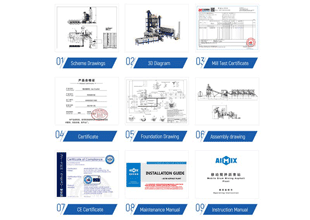
Tailored Plant Options
We provide plants sized for traffic load, project scale, and local conditions, ensuring precise asphalt quality every time.
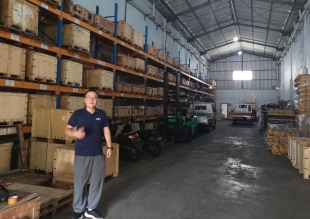
On-the-Ground Assistance
Our local offices and warehouses across Indonesia allow fast technical support, spare parts delivery, and field guidance.
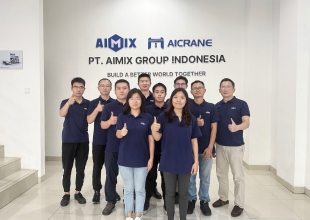
Project-Focused Solutions
We customize hot mix asphalt plant setup, mix recipes, and workflow for local aggregates, climate, and traffic needs.

Hands-On Training & Support
Engineers deliver installation guidance, operator training, and predictive maintenance to ensure smooth, reliable operation.
Ready to Upgrade Your Asphalt Projects in Indonesia?
Whether you’re building highways in Java or rural roads in Sulawesi, a reliable hot mix asphalt plant can save time, reduce costs, and ensure high-quality asphalt. Don’t wait—get a tailored solution, see detailed specs, and request a quote today to boost your project efficiency!

