Efficiently Grind 10+ Local Minerals Like Gold & Nickel in Indonesia
Easy Operation & Maintenance Every 500–800 Hours for Long-Term Use
Looking for a grinding mill that works well for Indonesian projects? A grinding mill is used to grind materials such as limestone, gold, nickel, iron, and other minerals into fine powder for mining and mineral processing, cement and construction materials, industrial powder production. Indonesia’s humid climate and diverse raw materials demand grinding solutions that are stable, practical, and easy to maintain. We offer customized grinding mill solutions designed for these local conditions to keep your operation reliable.
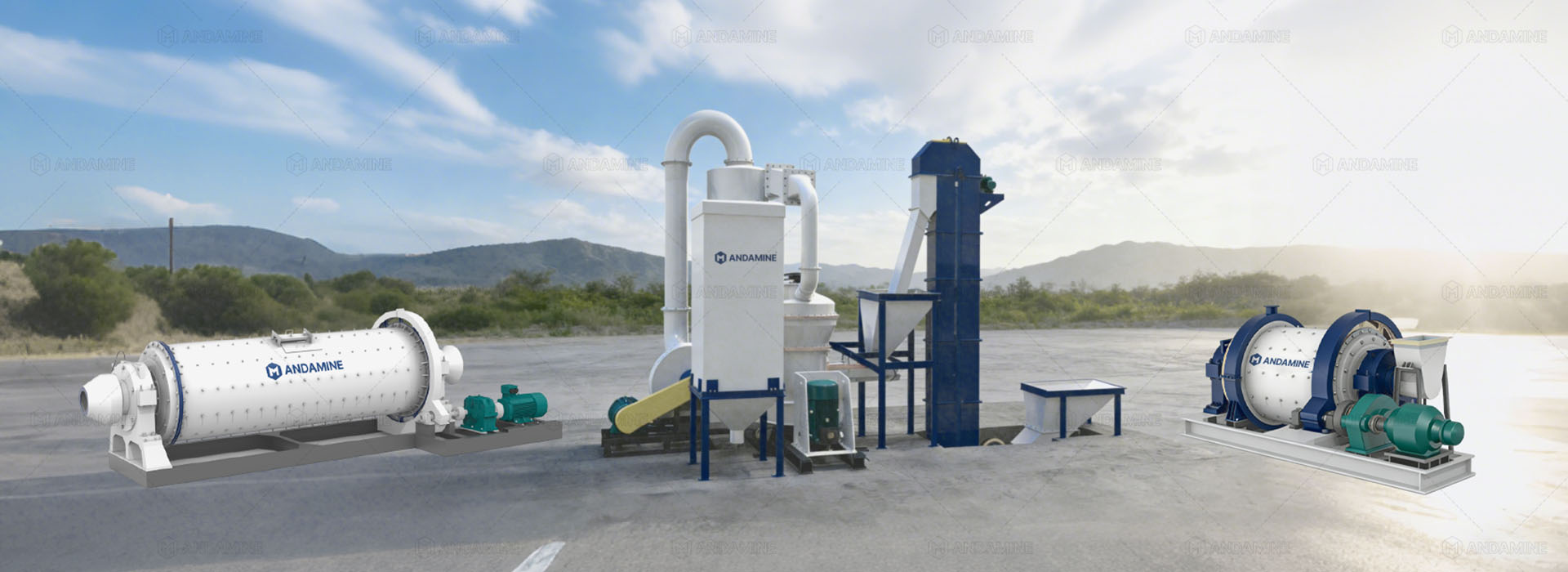
With so many different minerals and humid, challenging conditions across the archipelago, choosing the right grinding mill can feel like navigating a maze. Keep reading to explore our different types of grinding mill plants that fits your project perfectly.
What Are the Types of Grinding Mills for Indonesian Projects
Every grinding project in Indonesia has its own challenges—from humid mines in Kalimantan to urban industrial sites in Java. To meet these diverse needs, grinding mills are designed in three main types: Ball Mill, Rod Mill, and Raymond Mill. Each type handles different materials and project conditions, allowing you to choose the grinding mill that fits your local minerals, scale, and operational requirements.
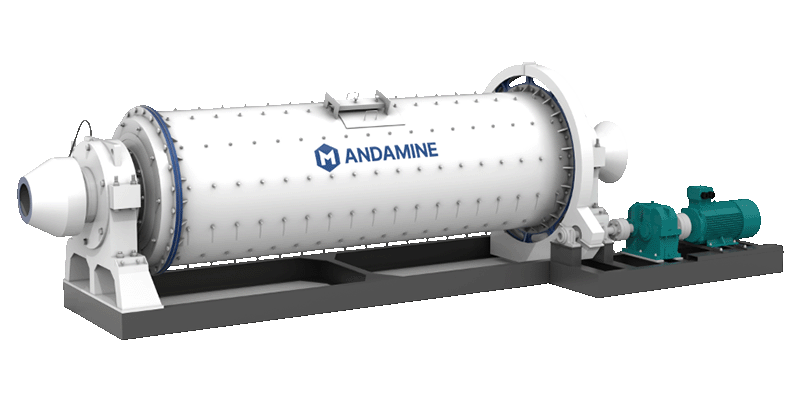
Grinding Ball Mill – Coarse to Fine Grinding of Hard Minerals
Grinding materials by rotating a cylinder filled with steel balls.
- Capacity: 1-386t/h
- Feeding Size: ≤25mm
- Output Size: 0.047-0.5mm
- Raw Materials: Hard minerals like gold, nickel, and iron
- Application: Mining, cement, industrial powder production
- Advantages: Designed for humid mines and coastal sites, provides stable 24/7 operation, handles high-volume projects, and requires minimal maintenance, ideal for large-scale Indonesian mining projects.
Rod Mill – Efficient Coarse Grinding with Uniform Particle Size
Grinding ores by rotating a cylinder filled with steel rods.
- Capacity: 10–50 t/h
- Feeding Size: 25–50 mm
- Output Size: 0.5–5 mm
- Raw Materials: Medium-hard minerals, such as iron ore, manganese, and quartz sand.
- Application: in mines, sand production, and power plants
- Advantages: Suitable for humid mines and remote sites, it ensures stable coarse grinding, consistent particle size, and up to 25% higher throughput with minimal maintenance for medium-scale Indonesian projects.
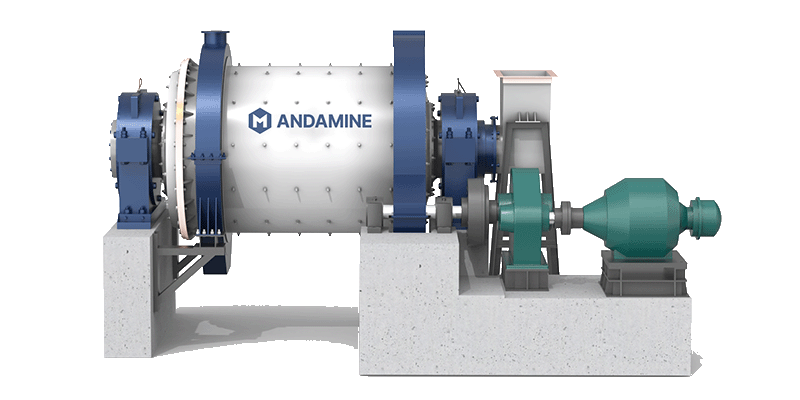
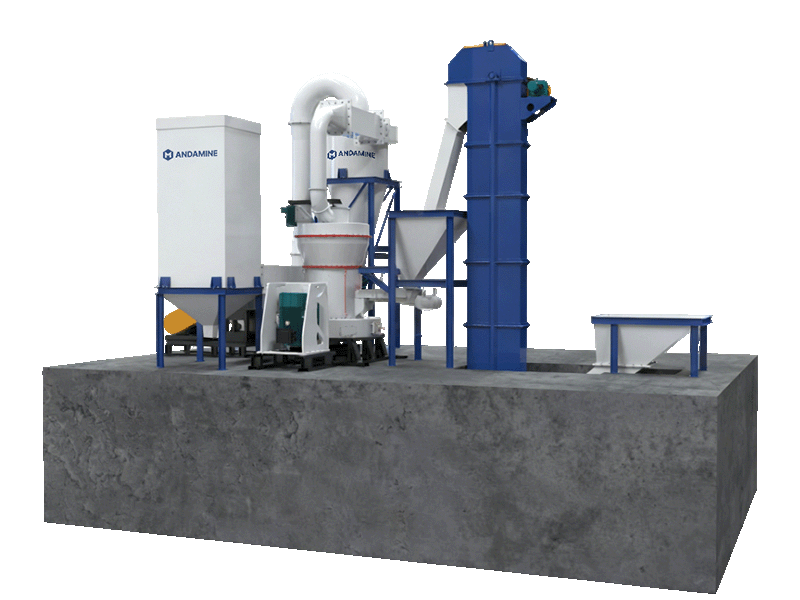
Raymond Mill – Fine Grinding for Soft to Medium-Hard Minerals
Grinding materials by rollers rotating around a central ring.
- Capacity: 1-60t/h
- Feeding Size: ≤15–20 mm
- Output Size: 0.045-0.18mm
- Raw Materials: Material Hardness ≤7 Mohs, Soft to medium-hard minerals like limestone and barite
- Application: cement, building, chemical industries.
- Advantages: Compact and easy to maintain, this fine grinding mill equipment provides stable operation with up to 98% uptime, handling daily workloads in humid urban and small industrial sites across Indonesia.
Now that you’ve seen the main types of grinding mills and how each is designed for specific project needs, the next question is: Which one is right for your Indonesian site? Let’s explore how to choose the right one for your site, scale, and local conditions.
How to Choose a Grinding Mill in Indonesia?
Are you struggling to find a grinding mill machine that truly fits your Indonesian project? Choosing the wrong autogenous grinding mill can lead to frequent downtime, higher maintenance costs, and inconsistent results, especially under Indonesia’s humid climate, remote mining sites, and diverse material conditions. Here’s how to make the right choice:
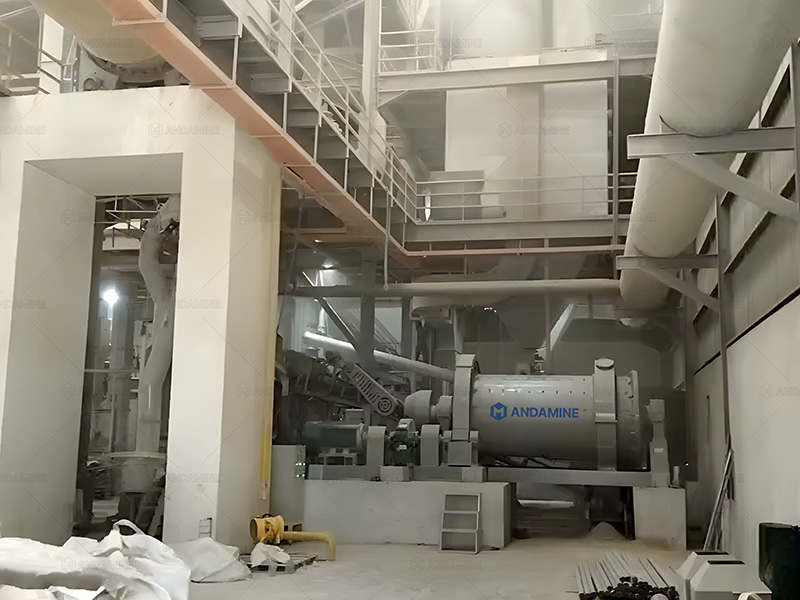
Match the Mill Type to Your Material and Project Scale
Rod Mill: Best for coarse grinding and uniform particle size, ideal for medium-scale mines where particle shape control is critical.
Raymond Mill: Compact and efficient for soft minerals or construction materials, suitable for urban sites or small factories with space constraints.
Consider Local Conditions and Site Challenges
Corrosion-resistant and durable for tropical environments
Easy to maintain with local spare parts
Reliable for continuous operation even with variable electricity or water availability
Optimize Capacity and Operational Efficiency
Look for equipment that maintains stable output despite fluctuating feed quality, common in Indonesian mining and construction sites
Consider Installation and Space Constraints
In remote locations, select powder grinding machines that are easy to transport, install, and maintain
Prioritize Local Support and Service
Fast response times reduce downtime and operational costs, especially for remote or coastal projects
Tip: For most Indonesian projects, a Ball Mill remains the primary choice, while Rod Mills serve coarse grinding needs and Raymond Mills fit space-limited or urban applications. After learning how to choose the right mesin grinding mill for your Indonesian project, it’s important to see how Ball Mill, Rod Mill, and Raymond Mill differ—so you can understand which type best suits your materials, site conditions, and production goals.
Difference Between Ball Mill, Rod Mill, and Raymond Mill in Indonesia
Not all grinding mill machines are created equal, especially for projects in Indonesia. From the humid mines of Kalimantan to urban factories in Java, each autogenous mill type has strengths and limitations. Understanding the key differences between Ball Mill, Rod Mill, and Raymond Mill will help you choose the right solution for your materials, site conditions, and production goals. Check the table below for a detailed comparison.
| Dimension | Ball Mill | Rod Mill | Raymond Mill |
|---|---|---|---|
| Working Principle | Rotating cylinder with steel balls to grind hard and medium-hard minerals | Rotating cylinder with steel rods for coarse grinding and uniform particle shape | Rollers rotate around a central ring to grind soft to medium-hard minerals into fine powder |
| Suitable Material Hardness | Hard to medium-hard minerals (Gold, Nickel, Iron, Copper, Limestone) | Medium-hard minerals requiring coarse grinding (Iron, Copper, Manganese) | Soft to medium-hard minerals (Limestone, Barite, Gypsum) |
| Capacity / Throughput | High, suitable for large-scale mining or industrial powder production | Medium, ideal for specialized coarse grinding tasks | Low to medium, fits urban or small industrial sites |
| Grinding Fineness / Output Size | Fine to medium powder, stable output | Coarse to medium powder, uniform particle shape | Fine powder, adjustable to project needs |
| Maintenance & Reliability | Robust, handles humid and remote Indonesian mines with moderate maintenance | Low-wear rods, requires periodic replacement, durable | Easy maintenance, stable operation in humid urban/industrial sites |
| Energy Efficiency | Moderate, suitable for continuous large-scale operation | Moderate, efficient for coarse grinding | Energy-saving, compact, optimized for small-scale operations |
| Installation & Space Requirement | Requires larger space, suitable for open or industrial sites | Medium space requirement | Compact, fits urban or constrained factory spaces |
| Indonesian Project Fit / Local Adaptation | Versatile choice across Kalimantan, Sulawesi, and Java for mining and cement production | Niche applications where coarse grinding and particle control are critical | Ideal for soft mineral processing in cities or small factories |
| Operational Stability / Downtime | Stable operation with low downtime for continuous production | Stable for medium-scale mines with scheduled rod replacement | Reliable daily operation, minimal downtime even in humid conditions |
| Cost Consideration | Higher initial investment but suitable for large-scale production | Moderate investment, ideal for specialized projects | Lower initial cost, low maintenance, suitable for small-scale urban sites |
Knowing the differences between ball mills, rod mills, and Raymond mills is only the first step. To see how these grinding solutions perform under real Indonesian project conditions, let’s move on to the project examples below.
See How Grinding Mills Are Actually Used in Indonesia
From limestone grinding in Java to mineral processing sites in Sumatra and Sulawesi, ANDAMINE grinding mills have been successfully exported and installed across Indonesia, supporting mining, quarrying, and material processing projects. Below, we’ll show you some of these projects so you can see how our ore grinding mills perform in practice.
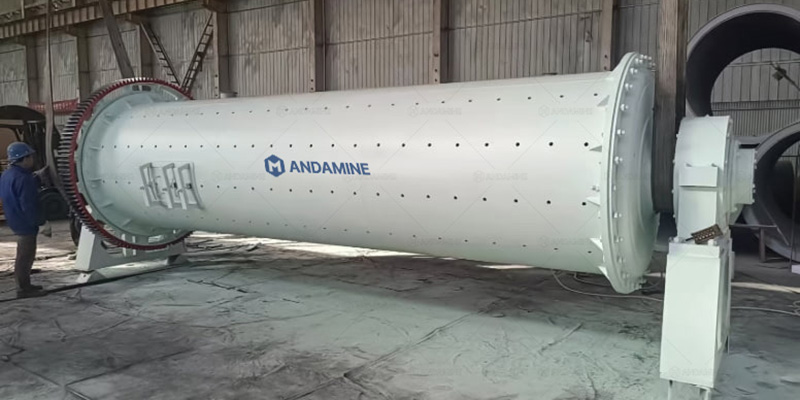
12.5TPH Ball Cement Grinding Mill for Grinding
- Raw Materials: Limestone
- Location: in Bawu, Indonesia
- Feeding Size: ≤25mm
- Output Size: 200mesh
- Application: for Cement production
- Project Time: Nov. 2024
- Customer Feedback: “Our 12.5 TPH ball mill at Bawu cement plant exceeded expectations! It grinds limestone to a consistent 200 mesh, runs smoothly day after day, and barely needs maintenance. Perfectly built for Indonesia’s humid conditions—truly a hassle-free solution for our production.”
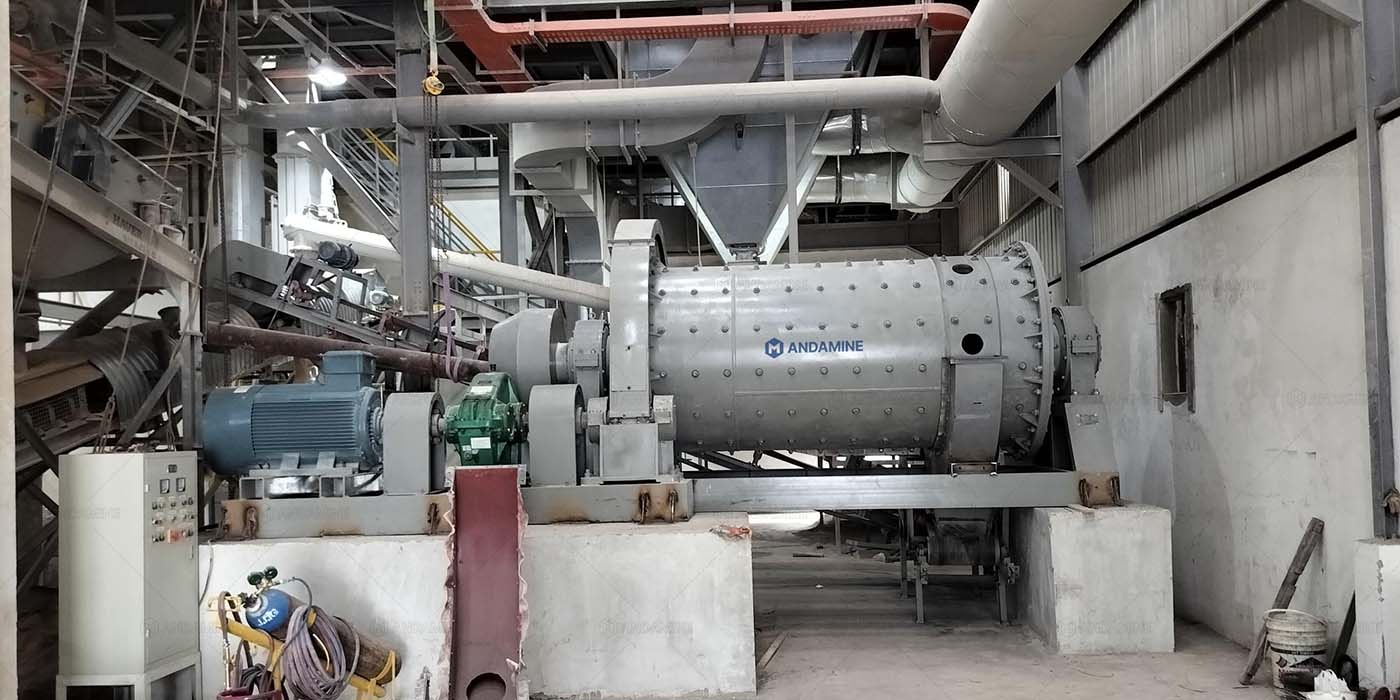
9TPH Rod Grinding Mill for Cement Production
- Raw Materials: Limestone
- Location: in Kabupaten Bogor, Indonesia
- Feeding Size: 5-10mm
- Output Size: 0.833-0.147mm
- Application: for Cement Grinding
- Power: 110KW
- Customer Feedback: “Operating the 9 TPH rod mill in Kabupaten Bogor has been surprisingly smooth. It processes limestone efficiently, helping us meet daily cement production targets without delays. The limestone grinding mill’s performance is consistent, making our workflow much easier.”
Seeing how mineral grinding mills are actually used in Indonesia gives a clear picture of their real-world performance. Next, let’s take a closer look at the upstream raw materials and downstream markets, so you can understand the full potential and value of investing in a mesin grinding mill for sale in Indonesia.
Grinding Mill Upstream & Downstream Market Analysis in Indonesia
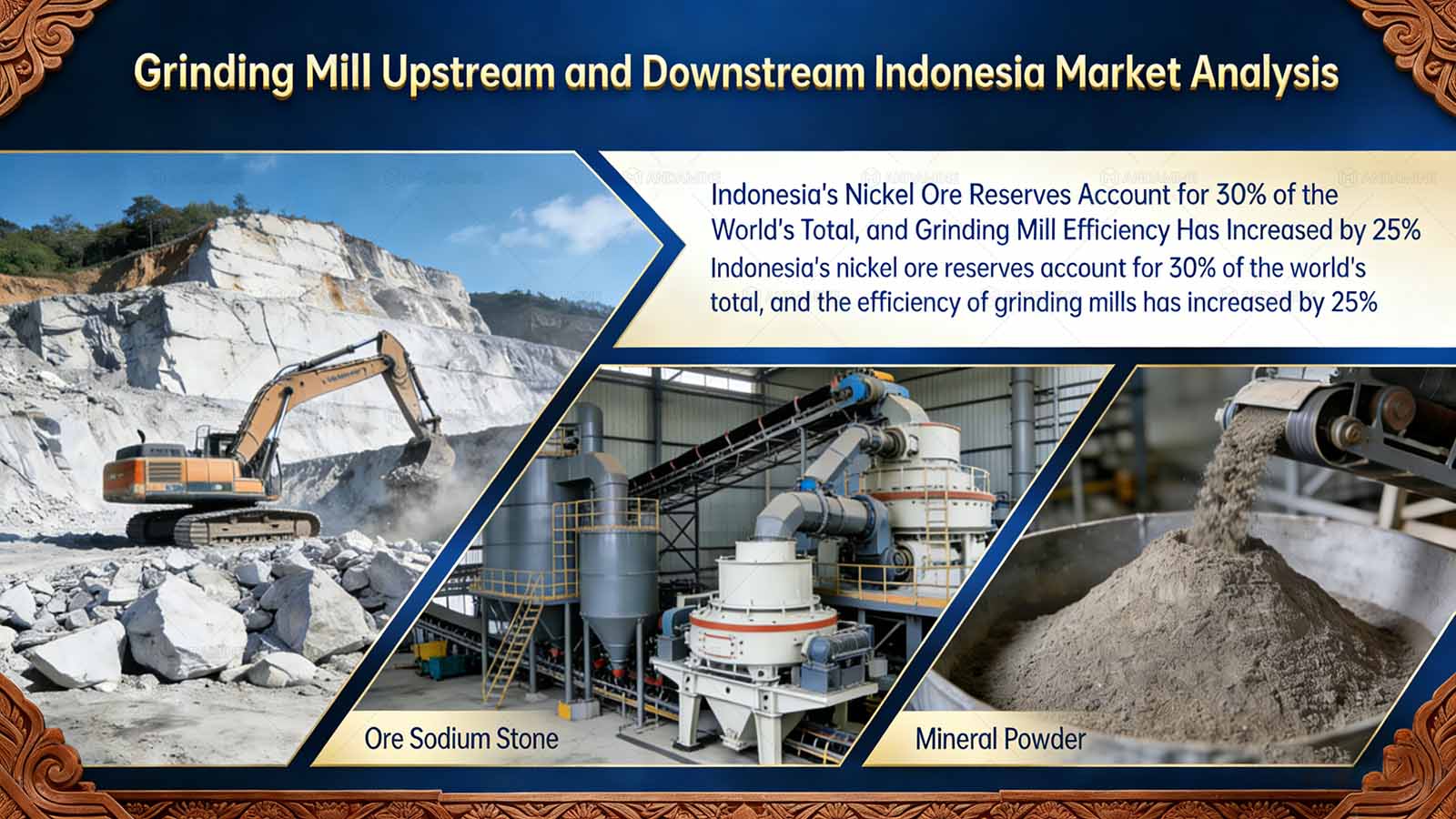
Wondering why investing in a grinding mill in Indonesia can be stable, profitable, and tap into real market opportunities? From mining to factory processing, and from limestone to nickel powder, powder grinding mills link upstream raw materials with downstream industries. Understanding market scale and growth trends helps you make informed investment decisions. Here, we present quantified data and Indonesia-focused scenarios to show the true value of grinding mills in local projects.
Upstream Raw Materials — Abundant and Reliable Supply
Nickel Ore: Approximately 1.6 million tons in 2022, making Indonesia a major global exporter.
Coal: Around 836 million tons in 2024, supporting industrial powder production and energy needs.
Limestone: Approximately 8.3 million cubic meters, a key material for cement and construction.
💡 These raw materials are not only abundant but also widely distributed and sustainably mined, providing a steady “fuel supply” for continuous grinding mill operation.
Downstream Demand — Multi-Industry Pull with Quantifiable Growth
A. Building Materials & Cement
Cement production CAGR 2.8%–5.9% (2024–2033), with 23.4 million tons produced in the first five months of 2025.
Large-scale construction projects require stable powder supply — mesin pembuat serbuk ensures efficient, reliable material delivery, preventing delays and cost overruns.
B. Mining & Mineral Processing
Indonesian mineral output is expected to reach 78.48 billion kg in 2027, with a five-year growth rate of around 3%.
Fine grinding increases ore recovery rates, directly boosting export value and processing profits.
C. Industrial Manufacturing
Sectors like ceramics, glass, chemical, coatings, and plastics are expanding rapidly, requiring uniform, high-purity powders.
High-quality mesin grinding mill products improve final product performance, reduce rework, and increase profit margins.
Why Investing in a Grinding Mill Makes Sense
Quantified support from cement and mining output → Millions of tons of market volume make your powder processing equipment a direct link to tangible demand.
Policy incentives + local processing trends → Indonesia’s push for mineral downstream processing and infrastructure development makes grinding and milling machines essential equipment.
Operational stability → Designed for Indonesia’s humid climate and diverse materials, lowering maintenance costs and improving capacity utilization.
In short, a mesin penggiling mill is more than just equipment — it’s a strategic gateway to Indonesia’s growing mining and construction materials markets. Investing in one equips your factory or mine with stable, efficient, and measurable production capabilities.
Raymond Mill Machine FAQs
What is a Grinding Mill?
How Does a Grinding Mill Work / Cara Kerja Grinding Mill?
Ball Mill: Uses rotating cylinders filled with steel balls to grind medium- to hard minerals.
Rod Mill: Uses long steel rods to crush softer materials like limestone or cement clinker into coarser powder.
Raymond Mill: Uses rollers rolling around a central ring, ideal for soft to medium-hard minerals, producing fine powders for cement, chemical, and construction use.
Local factors in Indonesia—like humidity, moisture content, and particle size requirements—affect industrial grinding mill selection and operation.
What is a Grinding Mill Used for in Indonesia?
Mining: Processing nickel, gold, iron, and other ores for export or domestic smelting.
Cement & Construction: Grinding limestone and clinker for cement, mortar, and building materials.
Industrial Powder Production: Producing uniform powders for chemical, ceramic, glass, and coating industries.
Local Adaptation: Mineral grinding machines designed for Indonesian conditions ensure reliable operation under humid climate and diverse material types.
Can a Grinding Mill Handle Indonesia’s Humid Climate?
How Much Does a Grinding Mill Cost in Indonesia?
What Is the Difference Between a Wet and Dry Grinding Mill?
How We Ensure Your Grinding Mill Runs Smoothly in Indonesia?
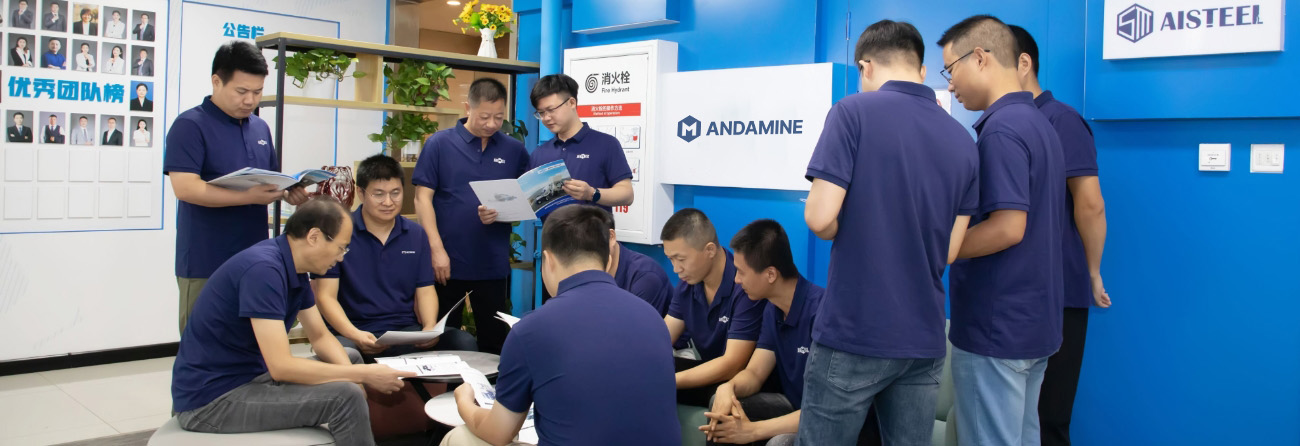
Operating a grinding mill in Indonesia comes with unique challenges—humid climate, diverse raw materials, and variable site conditions. As one of outstanding grinding mill manufacturers, we provide local solutions and full support to make sure your trapezium mill runs efficiently, reliably, and with minimal downtime. Here’s how we keep your equipment performing at its best:
On-Site Installation & Commissioning
Our engineers handle installation at over 50 job sites across Indonesia, ensuring each grinding mill runs efficiently under local humidity, electricity fluctuations, and material conditions.
Fast Spare Parts Supply
With 7 regional warehouses in Java, Sumatra, and Kalimantan, essential spare parts can be delivered within 24–48 hours, minimizing downtime and keeping production continuous.
Tailored Maintenance Plans
We design maintenance schedules specifically for Indonesian conditions. It reduces unexpected breakdowns by up to 30%, lowering costs, and extending equipment life by 2–3 years on average.
Local Support & Operator Training
Our support team provides training and technical guidance to over 100 local operators annually. It helps staff operate the mill efficiently and adapt to different raw materials, ensuring consistent output.
Start Your Grinding Project with Confidence
Ready to handle Indonesia’s nickel, gold, limestone, and cement efficiently? With ANDAMINE grinding mills, you get stable performance, low maintenance, and local support designed for your conditions. Don’t wait—contact us today and see how your production can reach its full potential!

