Grind Faster, Finer, and Smarter – 80–400 Mesh Powder!
Easy, Reliable, Low-Power – Made for Indonesian Projects
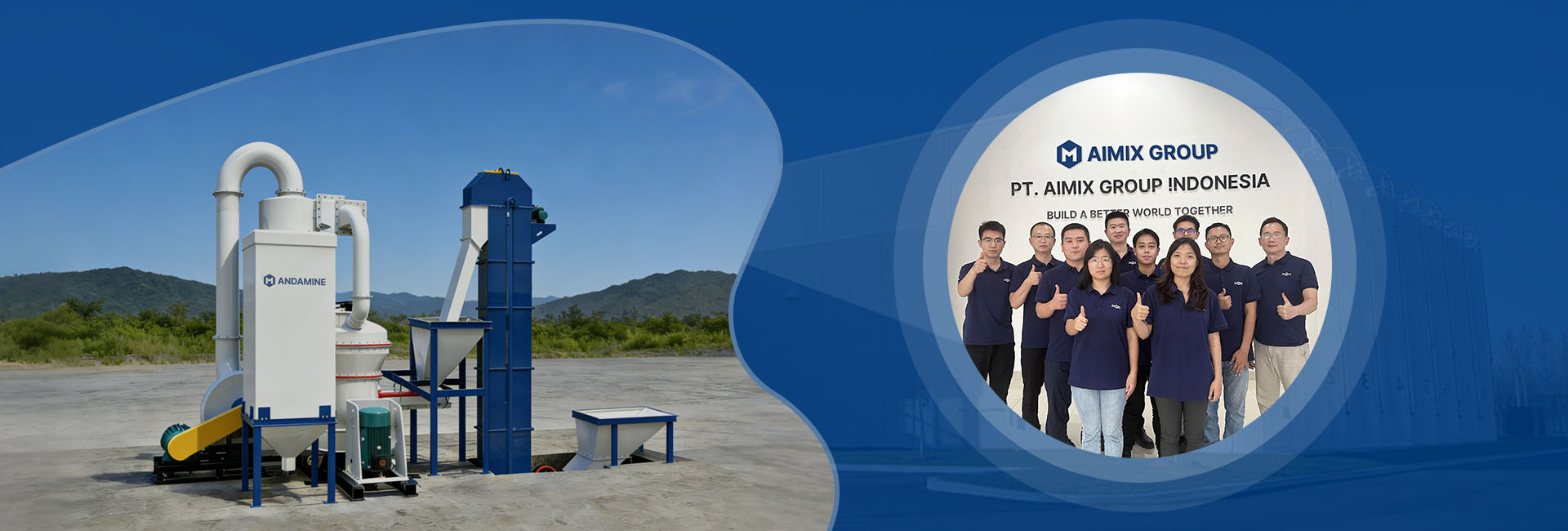
Facing high costs, unstable power, or complex operation in Indonesian mineral grinding projects? Raymond mill is a roller grinding mill for non-metallic minerals under Moh’s hardness 7, including limestone, calcite, gypsum, and marble. It produces 80–400 mesh powder for construction, mining, chemicals, fillers, paints, and plastics. We deliver customized Raymond mill solutions tailored to local materials, power supply, and project scale.
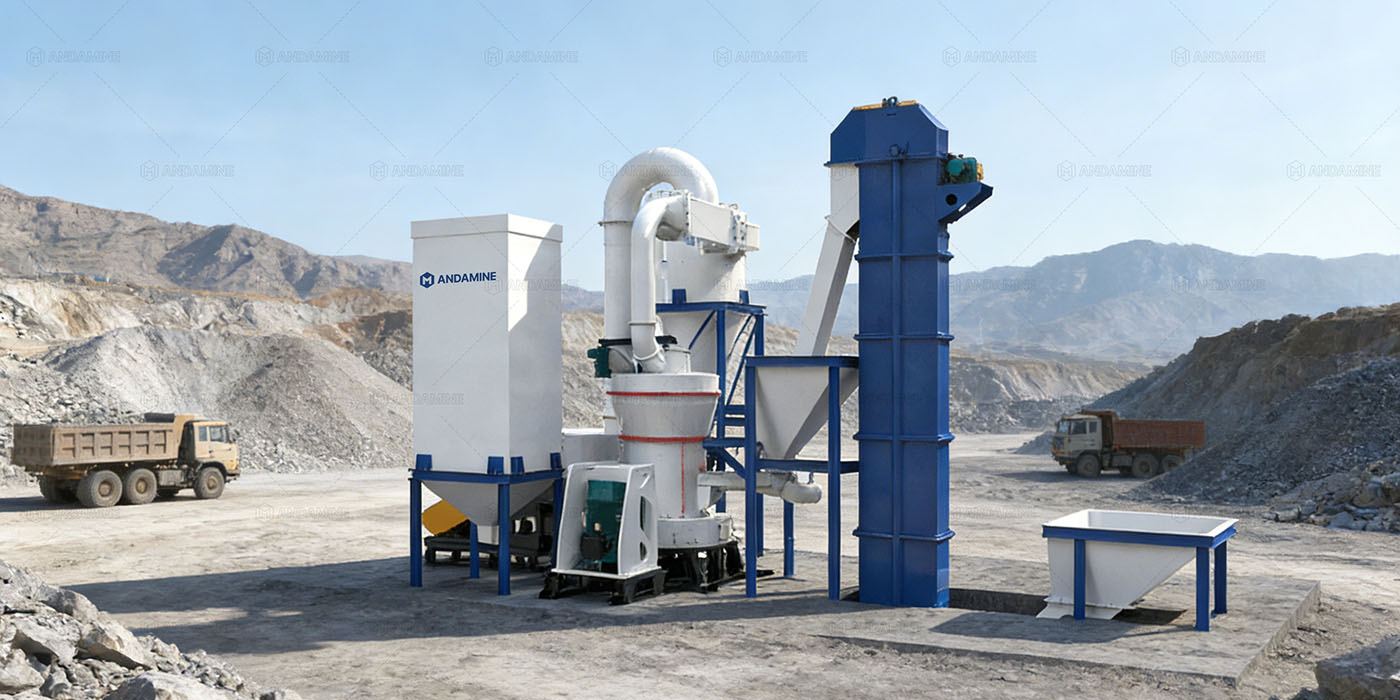
Andamine Raymond Mill – Optimized for Indonesian Projects
Whether you’re tackling limestone, gypsum, marble, or calcite, the Andamine Raymond Mill handles it with ease and precision. Designed for Indonesian working conditions, it delivers 80–400 mesh fine powder, with stable output, low energy consumption, and simple operation—so your team can focus on production, not troubleshooting.
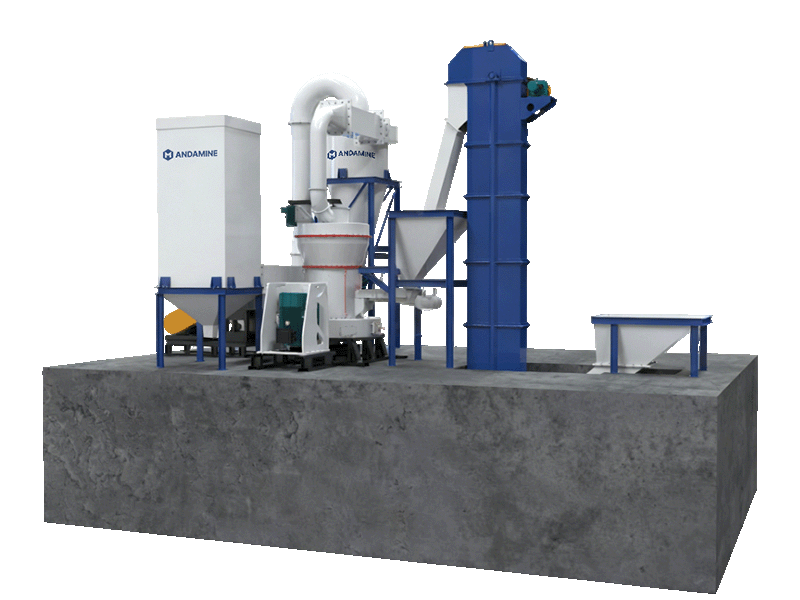
Raymond Mill Machine Introduction
- Processing Capacity: 1-60t/h
- Max Feeding Size: ≤15–20 mm
- Output Size: 0.045-0.18mm
- Processing Materials: Coal, limestone, gypsum, kaolin, talc, calcite, dolomite, etc.
- Typical Applications: Metallurgy, chemical, mining industry.etc
Why Andamine Stands Out
- Stable Output – Roller linkage increases production by 10–15%.
- Low Maintenance – Oil-change every ~4 months reduces downtime.
- Energy Efficient – Cuts power use by 8–12%, meets local standards.
- Versatile Grinding – Handles 10+ minerals, adjustable 80–400 mesh.
- Smart Design – Reduces vibration by ~30%, ensures ~99% qualified powder.
With Andamine grinding mill for sale delivering stable, high-quality fine powder tailored for Indonesian projects, the next question is: how strong is the demand for these powders in local industries? Let’s explore the growing market for limestone and calcium carbonate, and see why precise, efficient grinding is more crucial than ever
Finished Powder Demand Analysis – Limestone & Calcium Carbonate
With Indonesia’s cities growing fast and infrastructure booming, the need for fine mineral powders is skyrocketing. Limestone and calcium carbonate are at the heart of construction, plastics, paints, and paper industries, creating strong, growing demand for high-quality 80–400 mesh powders—the perfect application for mesin raymond mills.
📈Construction & Infrastructure Drives Limestone Demand
Limestone demand growth reflects rising infrastructure, housing, and urban projects nationwide.
Infrastructure spending and urbanization directly increase cement and aggregate consumption, which boosts demand for finely ground limestone powder.
👉 This means that finished powders for construction materials, such as 80–400 mesh limestone powder, have a huge market potential.
📊Calcium Carbonate Market Expansion (Local & Industrial Use)
Market expected to grow at ~8.16% CAGR through 2027, reflecting expanding downstream use.
Local producers are increasingly meeting demand for high-purity and ultra-fine grades, especially for plastics and coatings.
📌 Implication for pendulum mill: Ground calcium carbonate (GCC) — a key downstream product — requires consistent fine powder (80–400 mesh) that only efficient grinding equipment like Raymond mills can deliver reliably.
🧱Diverse High‑Volume End‑Use Applications
Cement & Construction Materials — largest single sector driving volume.
Plastics & Polymers — fillers improving mechanical properties and reducing costs.
Coatings & Paints — fine mineral fillers improve durability and coverage.
Paper & Packaging — calcium carbonate improves brightness and surface properties.
📌 These industrial sectors all rely on high-quality fine powder as a fundamental raw material, which is exactly the main product of raymond pulverizer.
📦Downstream Growth Signals Strong Powder Demand
Calcium carbonate demand increasing due to plastics, coatings, paper, and packaging industrial growth.
Local sourcing preference and reduced import dependency support domestic powder processing.
With Indonesia’s demand for fine limestone and calcium carbonate growing fast, seeing the equipment in action makes the results real. Scroll down to view our pendulum mills on-site and witness how raw minerals are transformed into high-quality powder across local projects.
See Our Raymond Mills in Action Across Indonesia
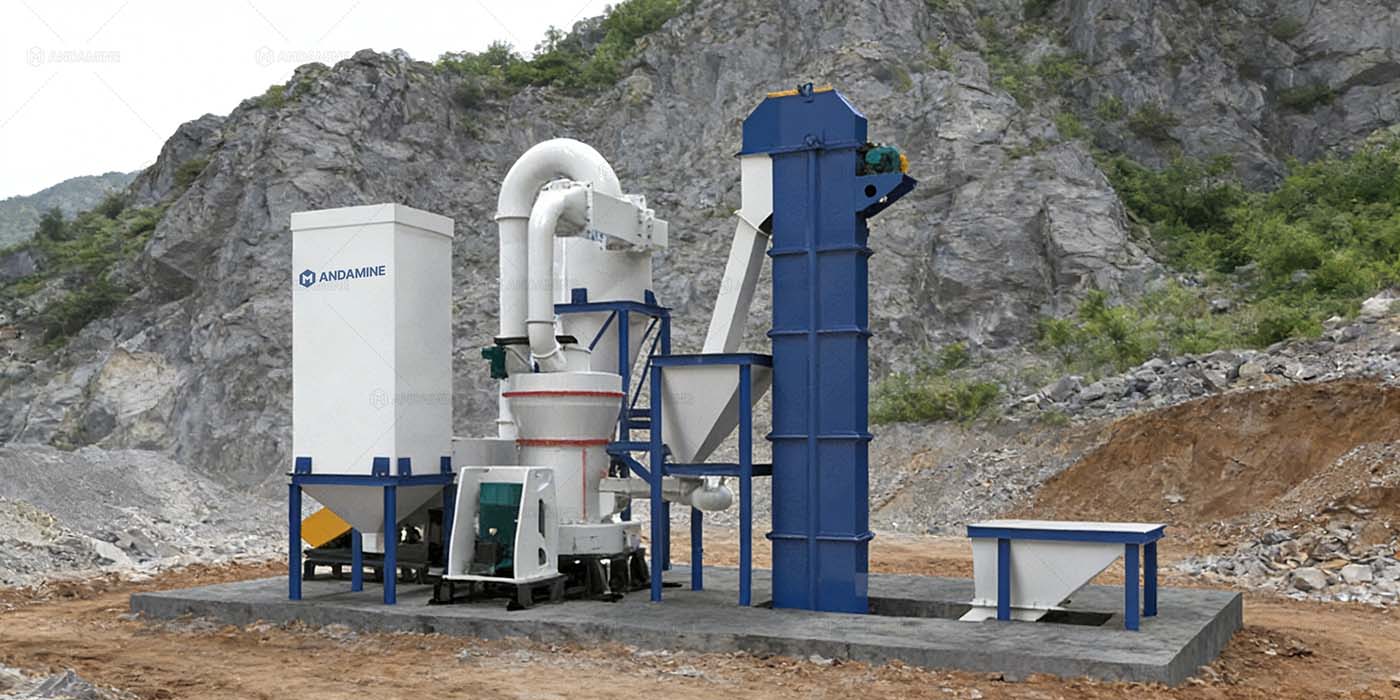
Take a closer look at our Raymond grinding mills in real Indonesian projects! From limestone quarries to industrial powder plants, these images show smooth operation, high efficiency, and equipment perfectly adapted to local conditions. Scroll down and see how our raymond mill pulverizer turns raw minerals into fine, high-quality powder on site.
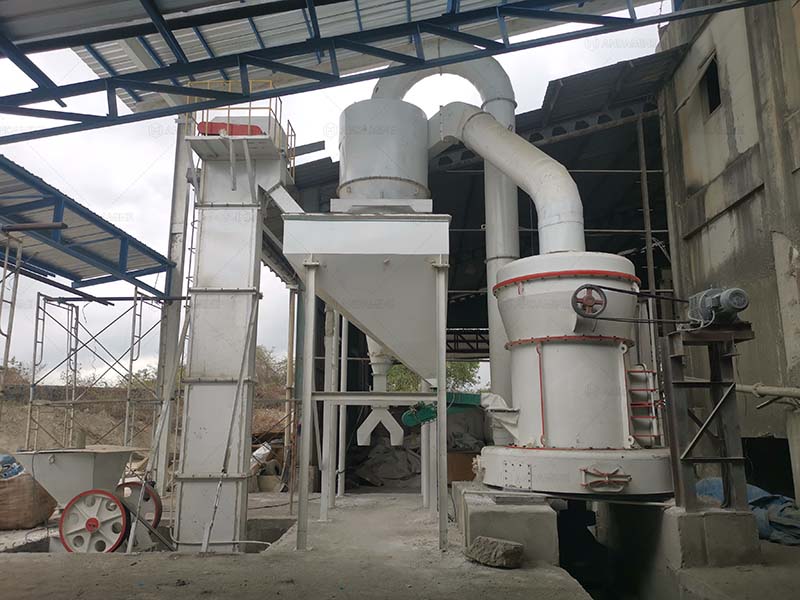
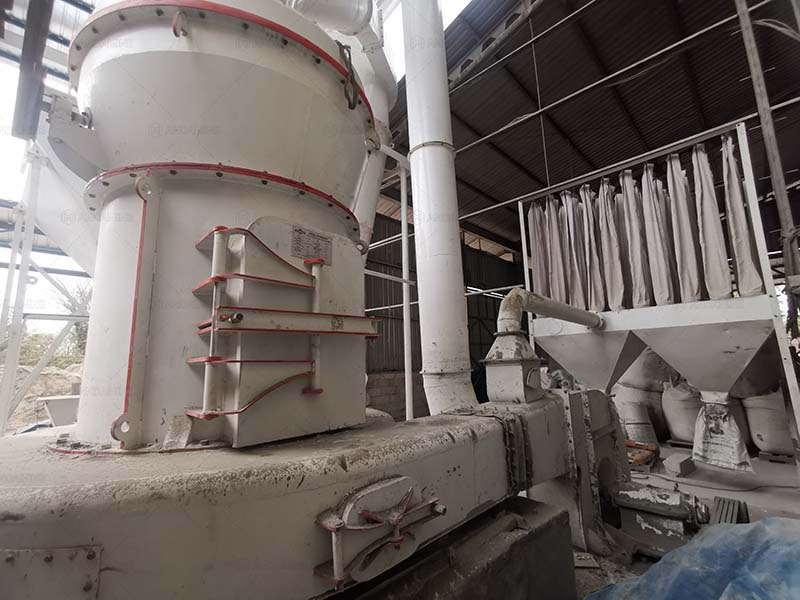
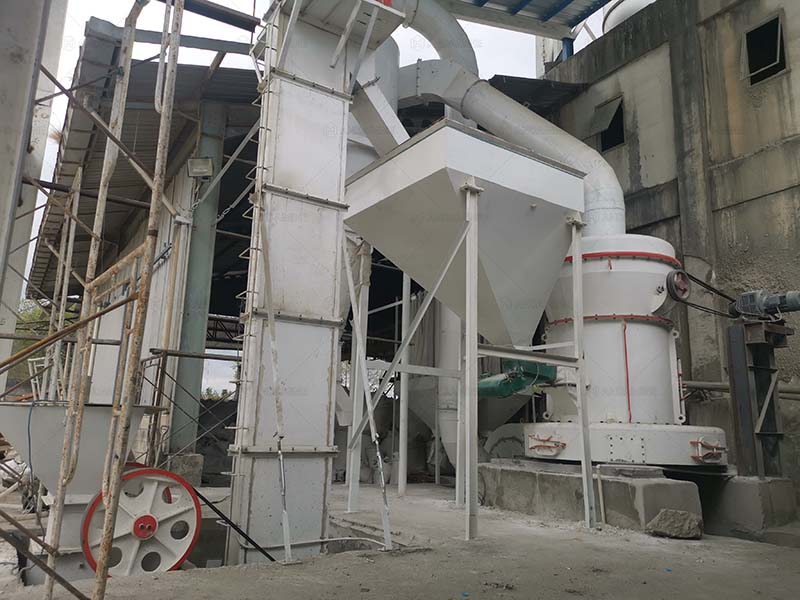
Seeing our pendulum roller mills in action across Indonesia gives a clear sense of their efficiency and reliability. Next, let’s explore how these mills actually work and what makes them deliver consistent, high-quality powder for local projects.
How Does a Raymond Mill Work? – Raymond Mill Working Principle
Curious how a Raymond mill grinding machine transforms raw minerals into fine, high-quality powder for Indonesian projects? This compact yet powerful pendulum grinding machine is designed to grind, classify, and collect powder continuously with efficiency and stability. Let’s explore how its roller-and-ring system, airflow, and adjustable classifier work together to produce consistent, customizable fineness.
Material Feeding
Crushed raw materials (≤20–35 mm) are fed into the raymond mill crusher through a hopper and vibrating feeder, ensuring a continuous and steady supply to the grinding chamber.
Grinding Process
Inside the chamber, rollers press against the grinding ring, crushing the material under pressure and shear, not high-speed impact. This method produces uniform, high-quality powder with low energy consumption.
Airflow & Classification
A centrifugal fan generates upward airflow, lifting fine particles to the classifier. Here, a variable-frequency classifier separates powder based on desired fineness (80–400 mesh). Coarser particles fall back for re-grinding, creating a continuous loop.
Powder Collection
Qualified powder is collected via a cyclone separator or bag filter, ready for use in construction, mining, chemicals, or industrial applications.
Continuous & Stable Operation
The raymond grinding mill runs continuously with minimal vibration, thanks to spring-connected rollers, optimized airflow, and light-oil lubrication. This ensures stable output, reduced maintenance, and long service life.
Knowing how a Raymond mill works gives you a clear view of its strengths. But how does it stack up against a ball mill? Let’s explore the key differences that affect efficiency, fineness, and cost.
What Is the Difference Between a Ball Mill and a Raymond Mill?
Although both Ball Mills and Raymond Mills are widely used grinding equipment, they serve very different purposes in Indonesian mining, construction, and powder-processing industries. The key differences lie in grinding principle, finished particle size, application fields, and production mode.
| Item | Ball Mill | Raymond Mill |
|---|---|---|
| Grinding Principle | Impact & abrasion using steel balls inside a rotating drum | Roller grinding + air classification |
| Typical Feed Size | ≤ 25 mm | ≤ 15–25 mm |
| Finished Particle Size | 0.074–0.425 mm (up to 325–425 mesh) | 0.044–0.125 mm (80–400 mesh standard, finer achievable) |
| Ultrafine Capability | ❌ Limited | ✅ Designed for fine & ultrafine powder |
| Mohs Hardness | ≤ 9 | ≤ 7 (non-metallic minerals) |
| Moisture Requirement | ≤ 6% | ≤ 6% |
| Production Mode | Dry & Wet grinding available | Dry grinding only |
| System Structure | Heavy, simple structure | Compact, integrated system |
| Single Machine Capacity | High | Medium to low |
| Particle Size Control | Needs classifier / auxiliary equipment | Easy & precise via airflow adjustment |
| Maintenance | Simple, rugged | Stable operation, low wear |
| Energy Consumption | Higher | Lower (30–40% saving in fine powder processing) |
After understanding the key differences between a ball mill and a Raymond mill, you might still have questions about which raymond bowl mill fits your project, how it works, and what materials it can handle. Let’s answer the most common questions in the Raymond Mill FAQ to guide your decision.
Raymond Mill Machine FAQs
What Is a Raymond Mill?
What Are the Main Parts of a Raymond Roller Grinding Mill?
- Main grinding unit (rollers, grinding ring, shovel blade)
- Classifier (analyzer) – controls final powder fineness
- Blower fan – drives airflow for powder separation
- Cyclone collector – collects finished powder
- Dust collector – improves environmental performance
- Feeding system – ensures stable material input
- Electrical control system
This integrated structure makes the mesin raymond mill compact, stable, and easy to operate, which is especially important for Indonesian small and medium-sized plants.
What Materials Can a Raymond Mill Process?
Is a Raymond Mill Suitable for Mineral Grinding in Indonesia?
How We Ensure Your Raymond Mill Project Runs Smoothly in Indonesia
Running a grinding project in Indonesia often means dealing with variable raw materials, unstable power supply, and limited site conditions. To reduce start-up risks and shorten commissioning time, we follow a localized delivery approach that helps most pendulum grinder projects reach stable operation within 7–14 days after installation.
Local Material & Application Assessment
Before equipment selection, we analyze local limestone or mineral hardness, moisture, and target fineness, helping avoid over-grinding or low output caused by material mismatch.
Customized Configuration for Power Conditions
We tailor motor power, classifier type, and airflow system to local electricity conditions, helping reduce 10–20% unnecessary energy loss compared with normal configurations.
Compact Plant Layout for Fast Installation
For sites with limited space, we design compact raymond vertical mill layouts, which can reduce installation area by up to 30% and simplify civil work.
Simple Operation, Faster Ramp-Up
Clear operation guidance and simplified control systems allow local operators to achieve stable output within first production week, even with limited prior experience.
Spare Parts & Long-Term Technical Support
Standardized wear parts and clear service channels help minimize downtime, supporting continuous operation and predictable maintenance cycles.
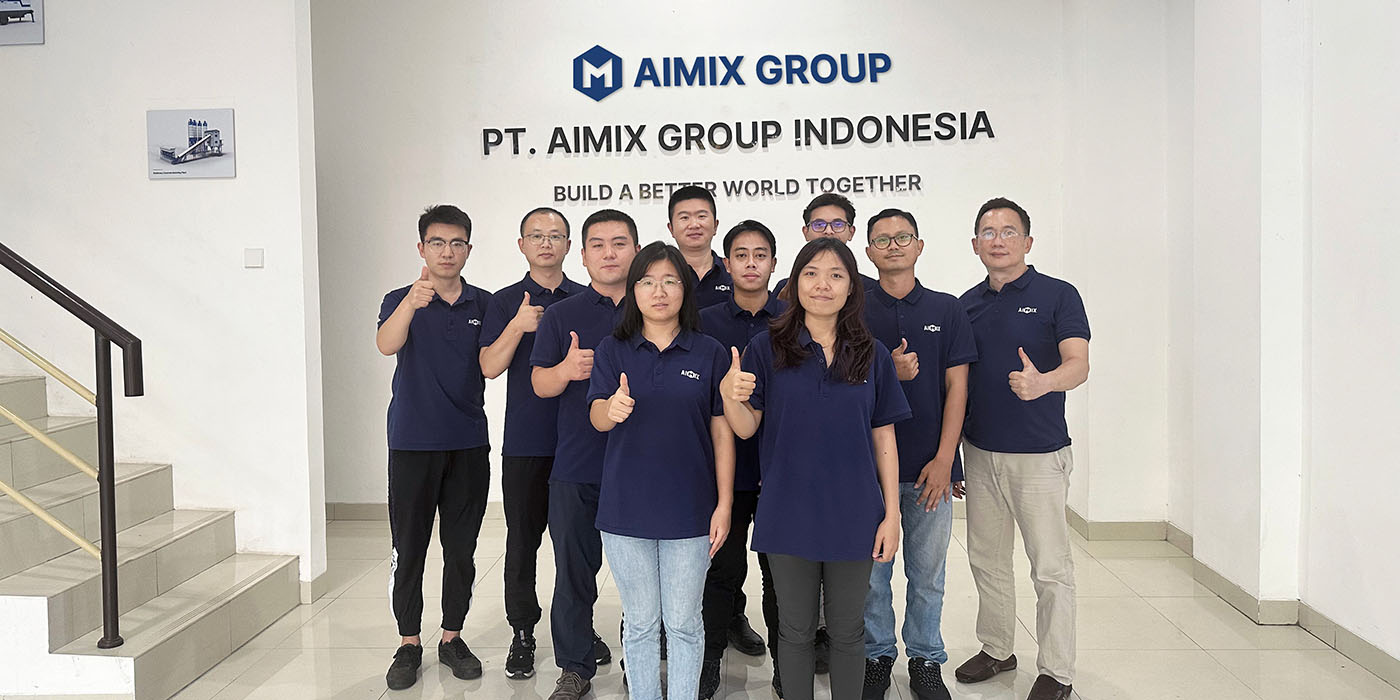
One Team Responsible for One Project
Each project is managed by a dedicated technical team, ensuring clear communication from design to commissioning and reducing coordination delays.
With localized design and practical execution, our pendulum grinding mill solutions help Indonesian clients achieve stable capacity, controlled operating costs, and long-term reliability.
Ready to Elevate Your Powder Production in Indonesia?
Don’t let unstable equipment or low-quality powder slow down your project. As a trusted Raymond mill supplier, we provide customized solutions designed for Indonesian minerals, construction materials, and industrial powders. Boost your production, control energy costs, and achieve uniform fine powder output—all with one reliable system. Get in touch today and turn your grinding challenges into high-efficiency, profitable operations! Contact us to know the raymond mill price right now!


