Efficient Crushing • Smart Supply — Indonesia’s Complete Crusher Plant Solution
Full Coverage: Sand Making, Shaping, and Recycled Aggregates with Stable Output
Smart & Local: Real-time Production Monitoring with Fast, Reliable On-site Support.
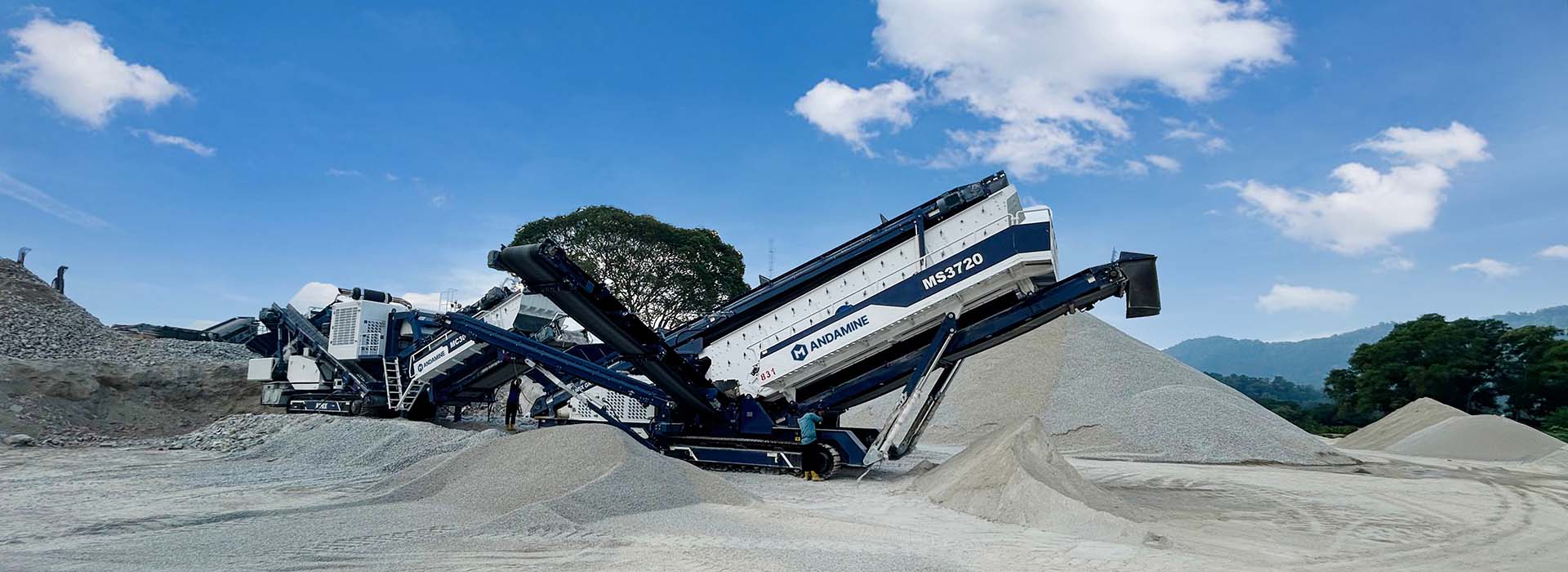
A crusher plant processes raw materials such as limestone, granite, basalt, and river stone into aggregates for construction and infrastructure projects. In Indonesia, crusher plants serve road construction, quarrying, mining, and aggregate production, where equipment selection depends on rock properties, required output, finished aggregate sizes, and site conditions. ANDAMINE provides stationary and mobile crushing plants, individual crusher machines, and integrated crushing solutions for projects across Indonesia.
Crusher Plant Quick Facts
- Raw Materials: Limestone, granite, basalt, andesite, and river stone
- Plant Types: Stationary and mobile crushing plants
- Processing Solutions: Crushing, screening, sand making, and recycled aggregate processing
- Key Selection Factors: Material properties, required capacity, target aggregate size, site conditions, and transportation logistics in Indonesia
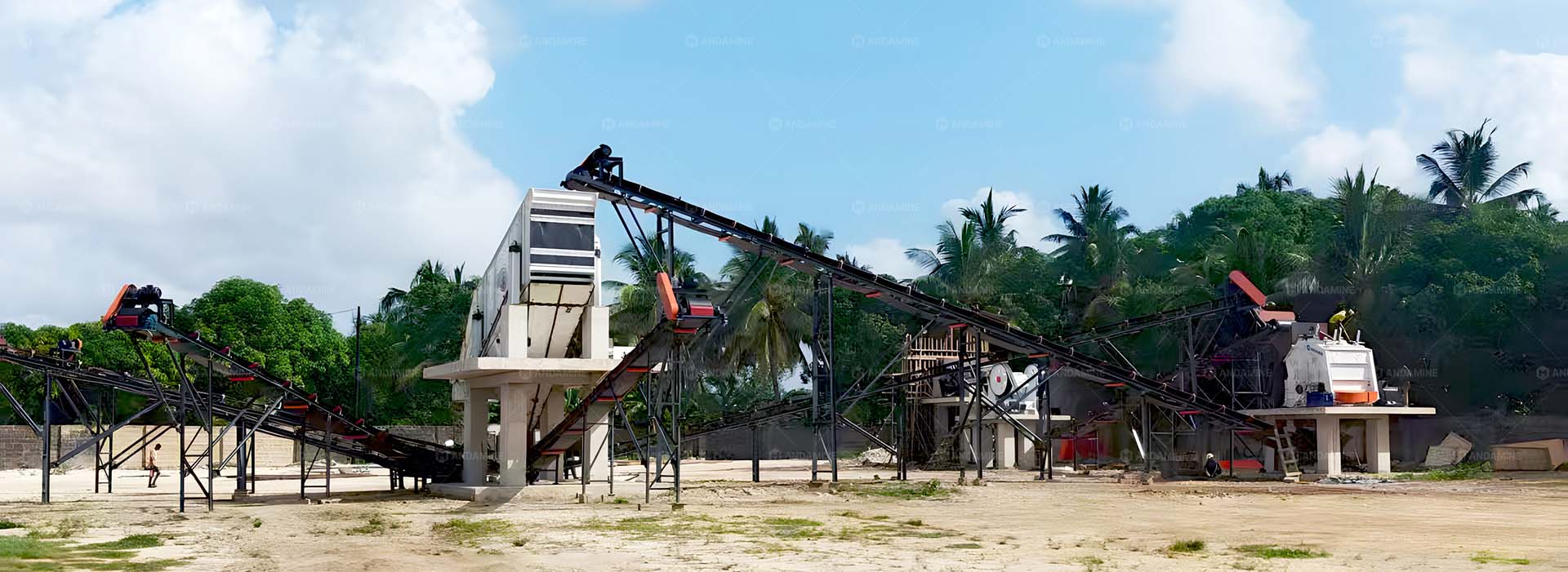
What Crushing Equipment and Solutions Does Your Project Need?
Choosing crushing equipment in Indonesia requires more than matching machine capacity to production targets. Rock hardness, required aggregate sizes, site access, inter-island transport, power supply, and spare-parts availability can all affect crusher equipment selection and operating costs. Compare crushing plants, individual crushers, and material-specific crushing solutions to find a setup suited to your quarry or construction project.
Complete Crushing Plants for Indonesian Quarries
For quarry operators and contractors supplying construction and road projects, the key is to match the full crushing and screening line to the required aggregate sizes and production schedule.
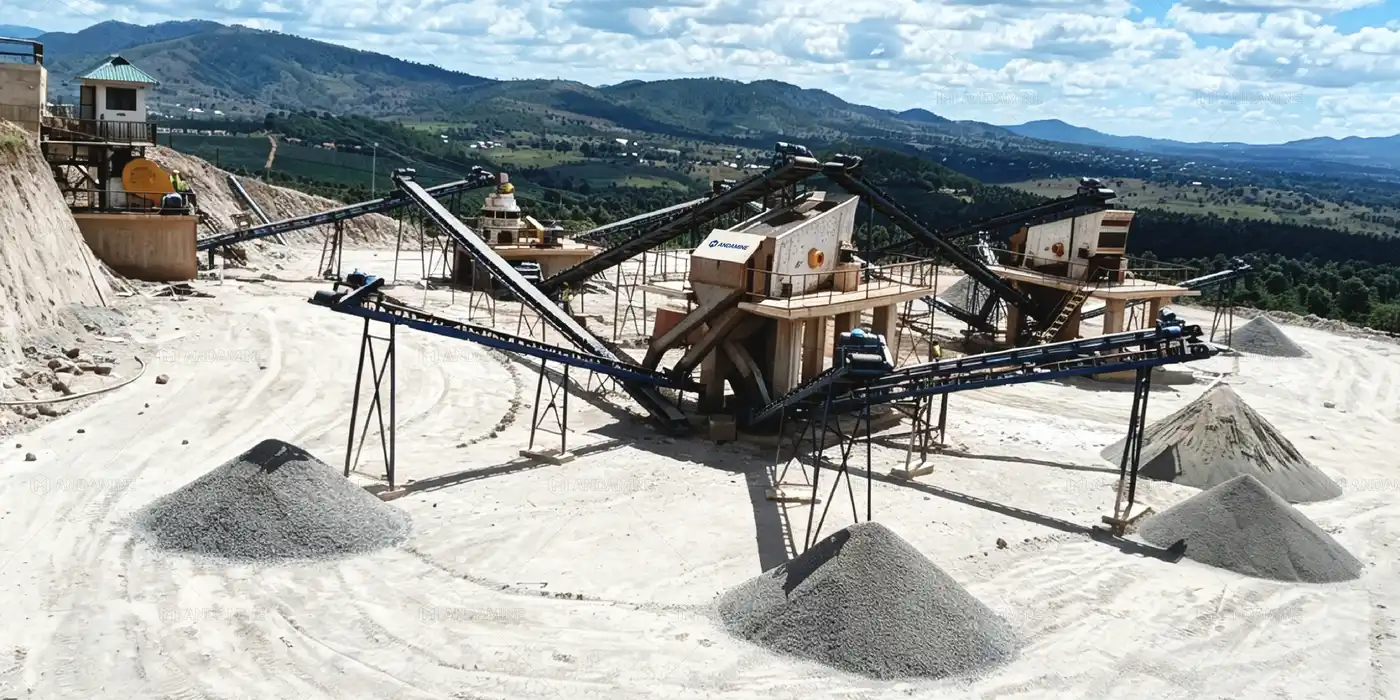
Stationary Crushing Plant for Quarry Aggregate Production
Plan a complete fixed crushing and screening line for quarry stone. Select the different crushing stages and screen sizes according to feed material, required capacity, and aggregate specifications in Indonesia.
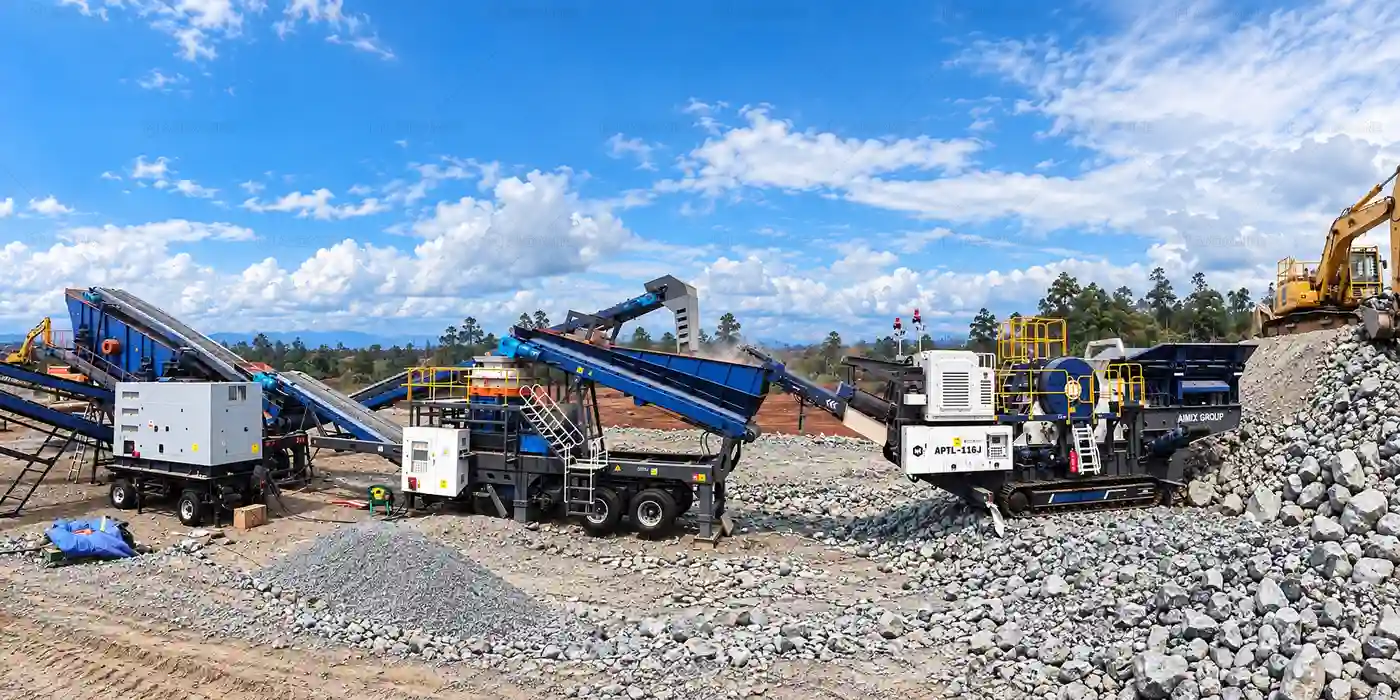
Mobile Crusher Plant for Temporary and Changing Project Sites
Consider mobile crushing for projects that require relocation between sites or processing closer to the material source. Check transport routes, inter-island freight, setup space, and access for maintenance before selecting a plant.
Crusher Machines by Crushing Stage
Select an individual crushing machine when planning a new production line, replacing existing equipment, or adjusting a crushing process. The right choice depends on feed size, rock properties, and the required output from each stage.
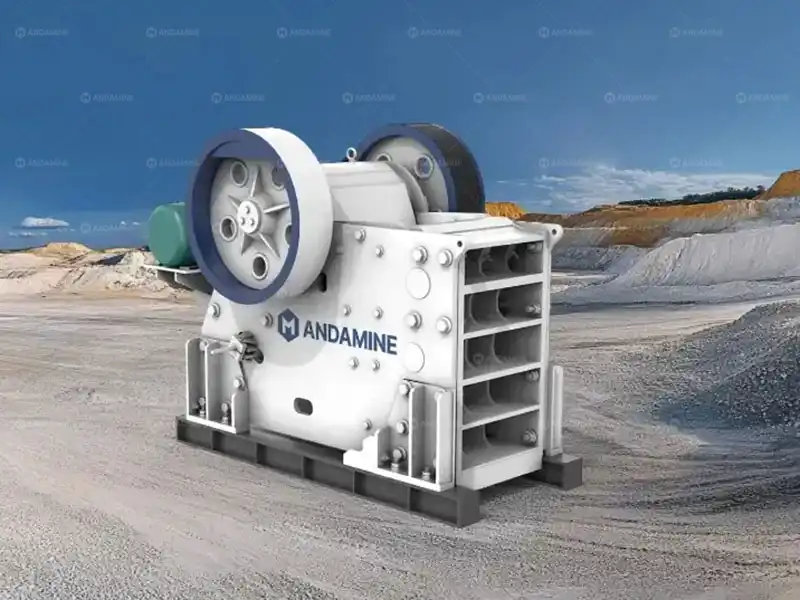
Jaw Crusher Machine
A common choice for primary crushing of large rock. Check maximum feed size, expected output, and compatibility with the next crusher and screening stage.
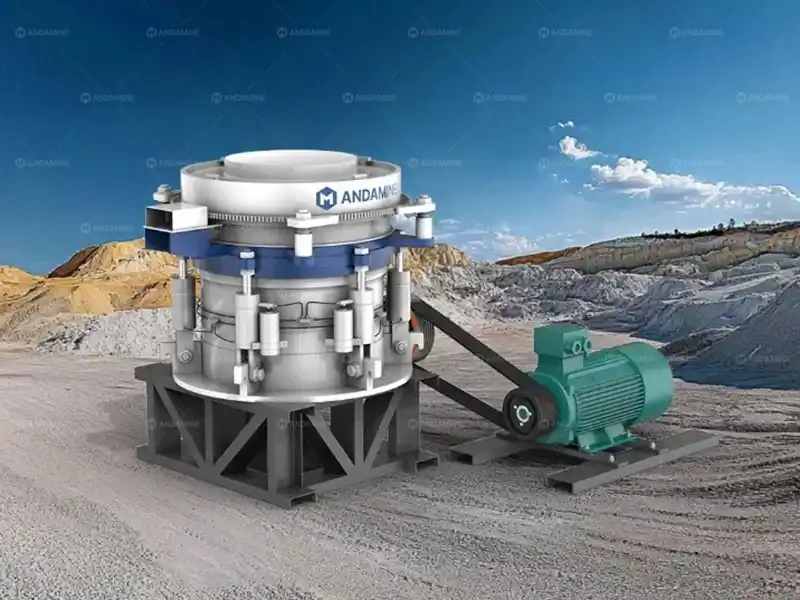
Cone Crusher Machine
Evaluate cone crushing for suitable hard and abrasive rock. Consider the feed grading, target product sizes, liner wear, and the practicality of scheduled maintenance.
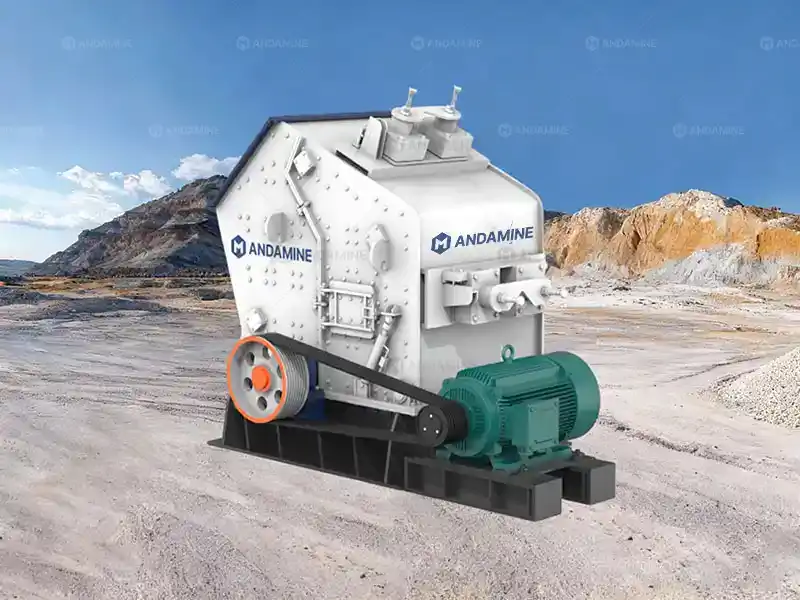
Impact Crusher Machine
Consider impact crushing when particle shape and product grading are important. For abrasive feed, assess blow-bar wear and replacement-part requirements as part of operating cost.
Crushing Equipment and Plants by Material or Product
Start with the rock available at the site or the aggregate required by the project. Material properties and finished-product specifications help determine the crusher type, number of stages, and screening setup.
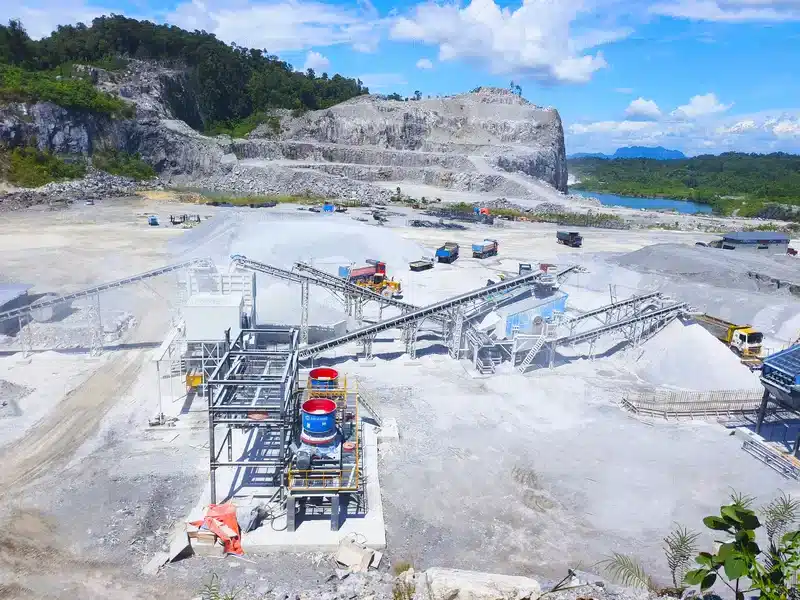
Rock Crusher Plant
Compare mesin crusher types for materials such as granite, basalt, limestone, and river stone. Match the machine to hardness, abrasiveness, feed size, and the required finished material.
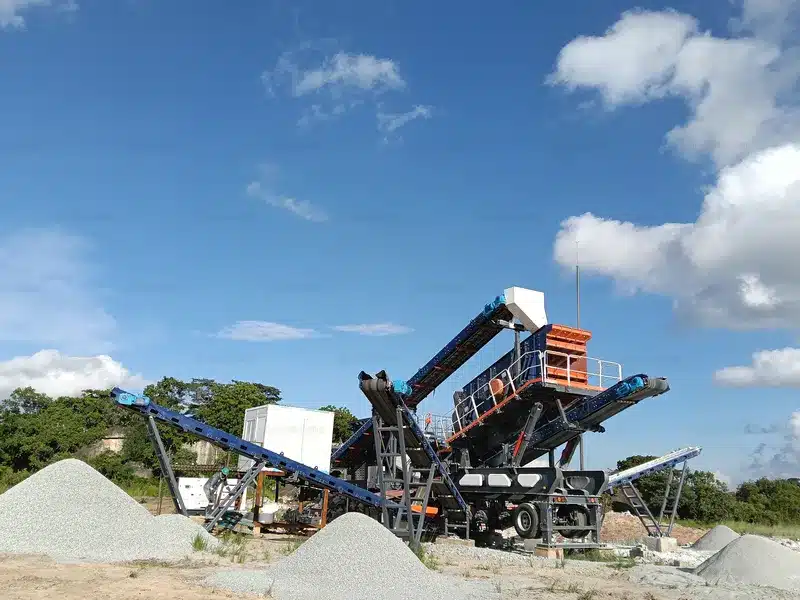
Limestone Crushing Plant
Plan limestone processing around feed size, required aggregate grades, and production volume. Confirm the screening stages needed to meet the intended product specifications.
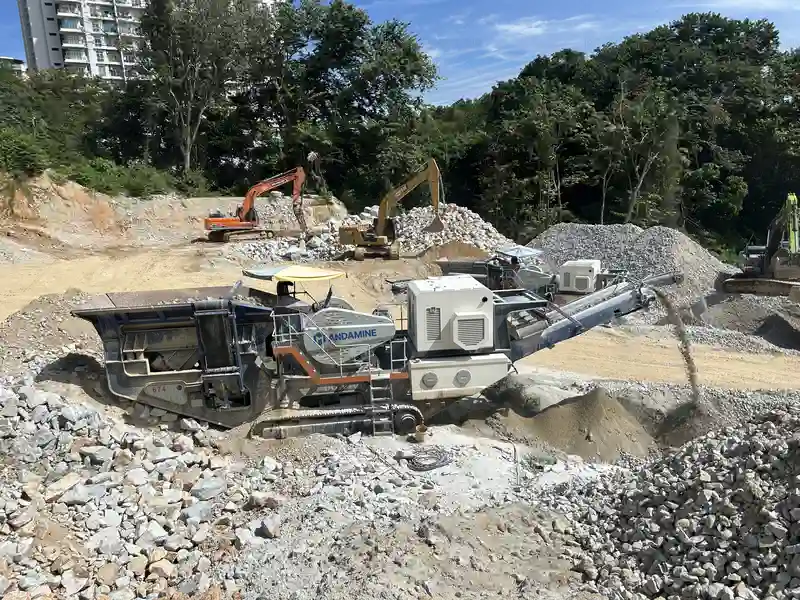
Granite Crushing Plant
Granite’s hardness and abrasiveness affect machine crusher selection and wear-part consumption. Compare the production stages, target aggregate sizes, and maintenance access at the site.
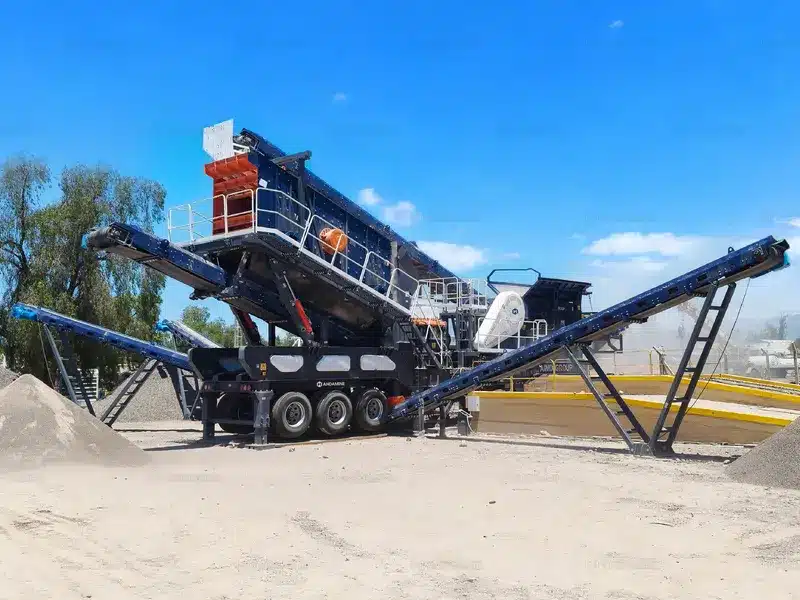
Aggregate Crushing Plant
For construction and road-material supply, plan around the required aggregate fractions, screening efficiency, and demand for each finished size.
What to Check Before Selecting a Crusher Equipment
Prepare these project details before comparing models or requesting a crushing plant and equipment configuration.
- Raw material: Rock type, hardness, abrasiveness, and feed condition.
- Production capacity: Required tonnes per hour under expected operating conditions.
- Finished products: Required aggregate sizes and the proportion of each grade.
- Site conditions: Available space, road access, power supply, and installation needs.
- Equipment mobility: Whether the plant stays in one location or moves between sites.
- Operating support: Maintenance access, wear parts, and spare-parts logistics for the project location.

What Drives Demand for Crushing Equipment in Indonesia?
Demand for crushing equipment in Indonesia is linked to infrastructure construction, quarrying, aggregate production, and the need to process different types of rock. Project location, raw material, required aggregate sizes, and transport access all influence the type of crushing equipment and plant configuration needed.
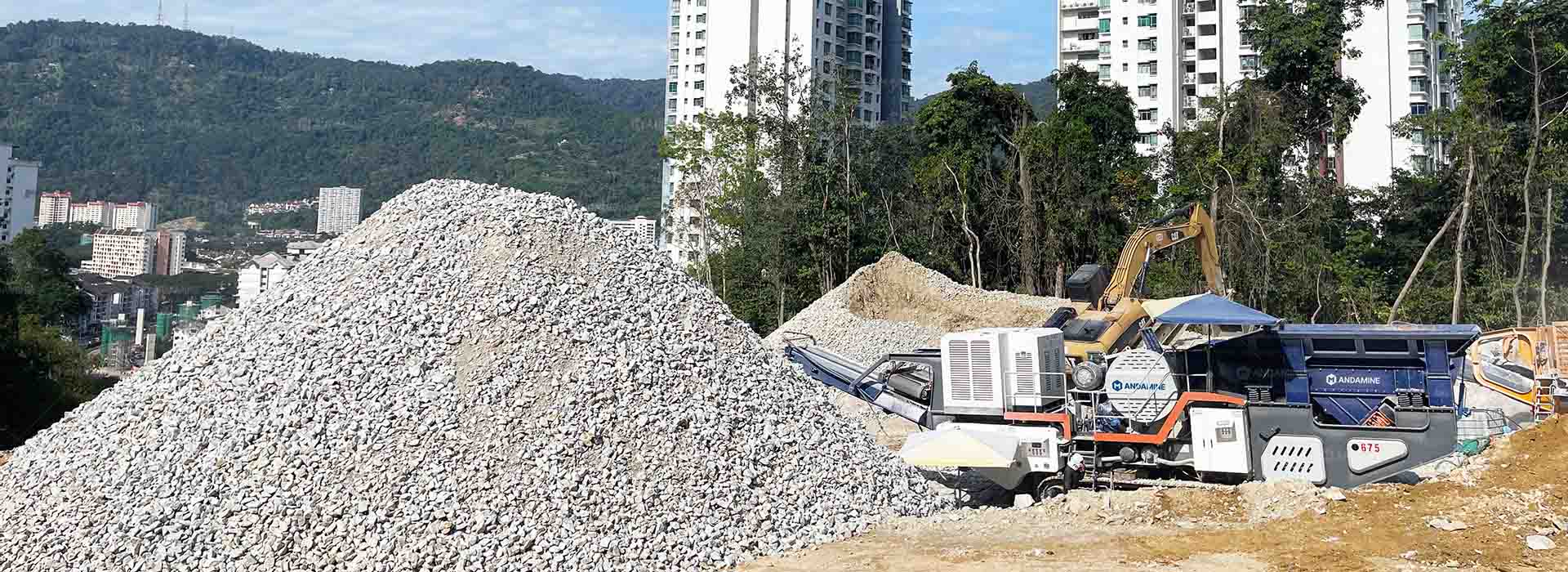
Infrastructure and Aggregate Production
Road construction, concrete production, and other infrastructure projects require aggregates in specified sizes and quantities. Crushing plants help quarry operators process raw rock into materials for these applications.
- Road projects: Produce graded aggregates for pavement layers and other road construction requirements.
- Concrete production: Control aggregate size distribution and particle shape to meet mix design requirements.
- Quarry operations: Match plant crusher machine capacity to the available raw material supply and expected production demand.
Jaw crushers are commonly used for primary crushing, while cone or impact crushers and screening equipment can be added according to the rock type and required product specifications.
Island Geography and Site Conditions
Indonesia’s archipelagic geography makes transport access and site conditions important considerations for quarry and construction projects. Equipment delivery, port handling, road access, and the availability of installation space can affect the overall project plan.
- Fixed crushing plants: Consider for long-term quarry operations with a suitable site and a sustained material supply.
- Mobile crushing plants: Consider when equipment needs to move between work areas or operate at temporary project sites.
- Modular configurations: Evaluate when transport dimensions, site access, or staged installation affect plant layout.
For projects in areas such as Sulawesi, Kalimantan, or Papua, assess actual transport routes, local infrastructure, power availability, and spare-part delivery arrangements before selecting a configuration.
Material Quality and Operating Requirements
Rock hardness, abrasiveness, feed size, moisture content, and the required final product all affect crusher batu selection and operating costs. A configuration suitable for limestone may not be the most economical option for highly abrasive volcanic rock.
- Hard and abrasive rock: Assess crushing stages, wear-part consumption, and maintenance access.
- Specified aggregate sizes: Match crusher settings and screening stages to the required product grading.
- Environmental management: Consider dust suppression, noise control, drainage, and other measures required for the site and applicable regulations.
Before installation, project owners should confirm the applicable mining or quarry permits and environmental approval requirements with the relevant Indonesian authorities. Requirements depend on the activity, site, and applicable regulations.
Main Types of Crushing Businesses and Market Distribution in Indonesia
Crushing equipment in Indonesia serves a range of markets, including infrastructure construction, concrete aggregate supply, quarrying, mining-related operations, and recycled aggregate production. Demand varies by region, raw material, project scale, required output, and transport conditions.
The table below outlines eight potential crushing business segments, their typical customers, equipment requirements, and indicative market and investment estimates. These figures should be treated as preliminary estimates rather than verified market statistics. Actual demand, growth, and payback periods depend on project conditions, operating costs, equipment utilization, and local market prices.
| Crushing Business Type | Core Clients | Preferred Equipment | Potential Regions | Indicative Annual Demand / Market Value | Estimated 5-Year Growth Trend | Indicative Payback Period | Policy / Environmental Considerations | Key Investment Considerations |
|---|---|---|---|---|---|---|---|---|
| National Infrastructure Supply | Highway, port, airport, and hydropower contractors | Stationary or semi-mobile high-capacity crushing plants | Java, Kalimantan, Sulawesi, and Papua, depending on project locations | 20–25 million tons / IDR 15–20 trillion | 8–10% CAGR | 6–12 months | Project permits, environmental approvals, dust control, and operating requirements | Assess project contracts, required output, utilization, site preparation, and delivery schedules. |
| Concrete Supply Chain / RMC Plants | Ready-mix concrete producers and construction contractors | Stationary, modular, or mobile crushing plants with suitable screening systems | Jakarta, Surabaya, Bandung, Bali, and other construction markets | 10–12 million tons / IDR 8–10 trillion | 9–11% CAGR | 6–10 months | Aggregate quality requirements and applicable environmental controls | Evaluate aggregate specifications, local competition, delivery distances, and steady customer demand. |
| EPC / Mining Contractors | Mining operators and engineering, procurement, and construction contractors | Heavy-duty jaw and cone crushers, with configuration based on feed material | Sulawesi, Kalimantan, Sumatra, and other mining areas | 8–10 million tons / IDR 6–9 trillion | 7–9% CAGR | 8–14 months | Mining permits, site-specific environmental requirements, and operating conditions | Check feed characteristics, wear-part consumption, site access, maintenance, and contract duration. |
| Regional Aggregate Hubs | Aggregate suppliers, building-material distributors, and logistics companies | Stationary or semi-mobile aggregate processing plants | Regional supply centers across Java and other islands | 5–7 million tons / IDR 4–6 trillion | 6–8% CAGR | 10–16 months | Quarry permits, land use, transport regulations, and environmental controls | Assess local demand, raw-material availability, transport costs, and competition. |
| Port and Sand Processing | Port-related contractors, dredging operators, and land-reclamation projects | Material-specific screening, washing, or crushing systems where appropriate | Selected coastal and port development areas | 3–5 million tons / IDR 2–4 trillion | 8–12% CAGR | 8–12 months | Material source, coastal and marine regulations, water management, and project permits | Identify whether the feed is quarried rock, dredged material, or sand. Confirm its suitability and applicable approvals before estimating demand. |
| Urban Recycled Aggregates / Construction Waste | Construction contractors, recycling operators, and waste-management companies | Crushing and screening plants with suitable sorting and metal-removal equipment | Jakarta, Surabaya, and other urban construction markets | 2–3 million tons / IDR 1.5–2.5 trillion | 10–15% CAGR | 12–18 months | Waste handling, environmental approvals, and requirements for recycled products | Verify waste supply, contamination levels, processing requirements, and demand for recycled aggregates. |
| Industrial Park / Mining Support Aggregates | Industrial parks, mining facilities, and supporting contractors | Customized crushing and screening plants suited to the feed material | Sulawesi, Kalimantan, and other industrial or mining locations | 1.5–2.5 million tons / IDR 1–2 trillion | 7–10% CAGR | 12–18 months | Industrial-site requirements, operating permits, and environmental controls | Evaluate confirmed project demand, material properties, logistics, and spare-part availability. |
| Private Real Estate / In-House Industrial Park Supply | Real estate developers and industrial park operators | Modular or mobile crushing plants where suitable | Established and emerging development areas | 1–2 million tons / IDR 0.8–1.5 trillion | 6–9% CAGR | 10–16 months | Land-use approvals, site-specific environmental requirements, and operating permits | Compare in-house production with purchased aggregates, considering project duration and total delivered cost. |
How Crushing Plants Fit into Indonesia’s Aggregate Supply Chain
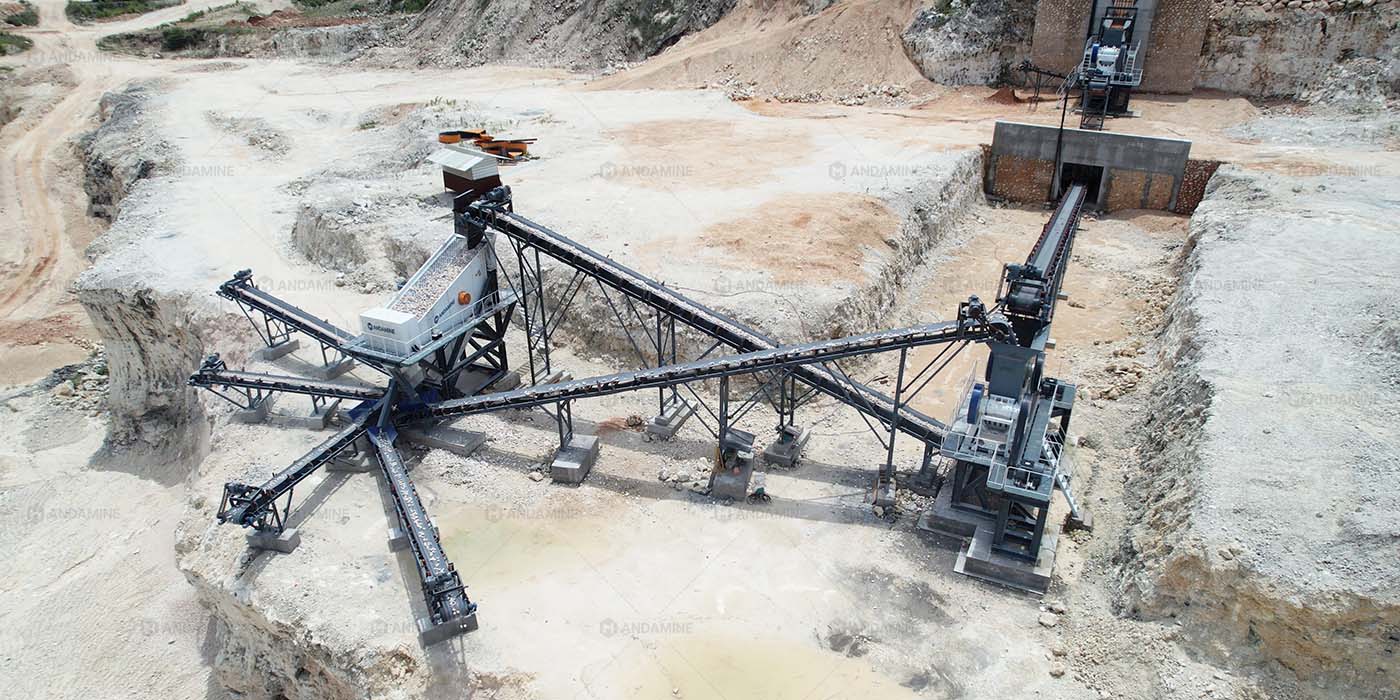
Crushing plants convert raw rock into graded aggregates for road construction, concrete production, and other infrastructure projects in Indonesia. Their role connects raw material supply with aggregate processing and downstream construction needs. The required configuration depends on rock properties, product specifications, project location, and delivery requirements.
Raw Material Supply
Quarries supply limestone, andesite, granite, and other suitable rock for aggregate production. Rock hardness, abrasiveness, feed size, and moisture content affect equipment selection and processing requirements.
Crushing and Screening
Crushers reduce raw rock to the required sizes, while vibrating screens separate aggregates by grading. Jaw, cone, and impact crushers serve different purposes depending on the feed material and target products.
Product Processing and Finishing
Additional equipment may be needed to meet specific product requirements. Sand-making machines produce manufactured sand, while washing and fines-recovery systems can help manage material cleanliness and recover usable fines where appropriate.
Aggregate Supply and End Uses
Finished aggregates are supplied to road construction projects, concrete batching plants, asphalt mixing plants, and other construction-material producers. Suitable construction and demolition waste may also be processed through a separate recycling route to produce recycled aggregates.
Factors affecting operations in Indonesia: Transport distance, road access, and inter-island freight can influence aggregate delivery costs. Power availability, spare-part lead times, dust control, water management, and maintenance access should also be considered when planning a crushing plant, particularly at remote sites.
What Are the Key Challenges When Investing in Crushing Plants?
Investing in a crushing plant in Indonesia requires more than selecting equipment capacity. Mining and environmental compliance, raw material characteristics, transport logistics, product specifications, and maintenance access can all affect project costs and operating continuity. Assessing these factors before purchasing equipment helps reduce avoidable risks.
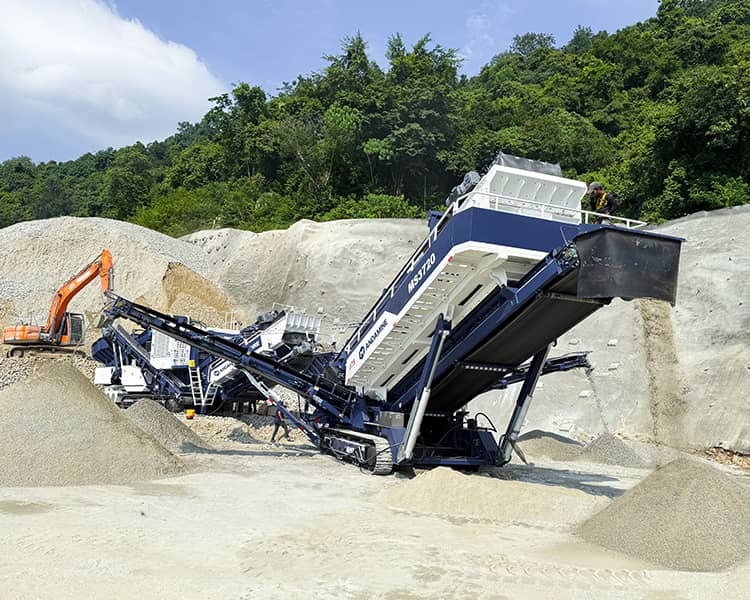
Mining Permits and Environmental Compliance
What to check: Confirm the applicable IUP, AMDAL or other environmental requirements, and OSS business licensing obligations with the relevant Indonesian authorities before starting operations.
Inter-Island Transport and Site Access
What to check: Compare transport and setup requirements for stationary crusher plant and mobile crushing plants against project duration, site conditions, and relocation needs.
Variable Rock Quality and Clay Content
What to check: Assess representative feed samples and confirm crusher selection, screening arrangements, and any required washing or pre-screening systems.
Operator Training and Maintenance Skills
What to check: Plan operator training, routine inspection procedures, and clear maintenance instructions. Automation can support monitoring, but it does not replace trained personnel.
Balancing Output and Aggregate Shape
What to check: Design the crushing stages and screening circuits around the required grading and particle shape. Additional shaping equipment may be necessary for some applications.
Spare Parts Availability and Repair Time
What to check: Confirm spare-part lead times, local technical support availability, recommended wear-part stock, and maintenance responsibilities before finalizing the purchase.
Common Mistakes to Avoid When Investing in a Crusher Plant
Common investment mistakes include choosing a crusher plant machine based only on purchase crusher plant price or rated capacity, overlooking feed material and final product requirements, and underestimating the cost of operating the complete production line. Before purchasing equipment, evaluate the plant against your target output, aggregate specifications, site conditions, and long-term operating needs.
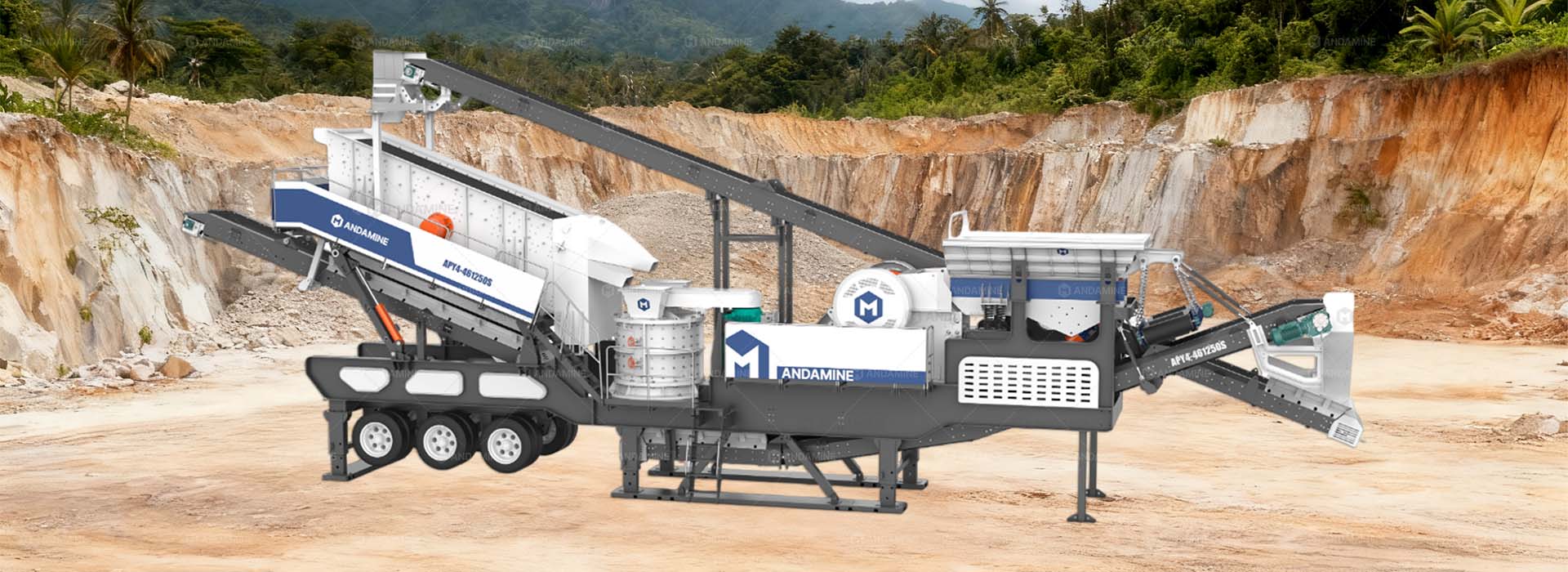
Choosing a Plant Based on Purchase Price Alone
- Common mistake: Comparing equipment prices without considering energy consumption, wear parts, labor, and routine maintenance.
- Why it matters: A lower initial crushing plant price does not necessarily mean a lower cost per ton of finished aggregate.
- How to avoid it: Compare total operating costs using the same production assumptions, material conditions, and expected working hours.
Selecting Capacity Without Checking Actual Demand
- Common mistake: Choosing a high-capacity crush plant for sale without estimating the required daily output and expected utilization.
- Why it matters: Excess capacity can increase capital and operating costs, while insufficient capacity can create production bottlenecks.
- How to avoid it: Calculate required output from project demand, working hours, operating conditions, and the expected production schedule.
Ignoring Feed Material and Final Product Specifications
- Common mistake: Selecting crushers before confirming feed size, rock hardness, abrasiveness, moisture, and target aggregate grading.
- Why it matters: An unsuitable configuration may cause excessive wear, screening problems, or products that fail to meet customer requirements.
- How to avoid it: Assess representative material samples and confirm the required particle sizes, shape, and production capacity before finalizing the crushing stages.
Underestimating the Complete Plant Configuration
- Common mistake: Budgeting for the main crusher without checking the supporting equipment and site requirements.
- Why it matters: Feeders, screens, conveyors, stockpiles, foundations, and power supply all affect the crushing plant equipment’s ability to achieve its production targets.
- How to avoid it: Review the complete process flow, equipment interfaces, installation scope, and site layout before approving the investment.
Overlooking Long-Term Operating Support
- Common mistake: Comparing suppliers without checking spare-part availability, technical support, training, and maintenance requirements.
- Why it matters: Difficult troubleshooting or delayed replacement parts can extend downtime and disrupt aggregate deliveries.
- How to avoid it: Confirm the scope of after-sales support, spare-part lead times, operator training, and maintenance responsibilities before signing the purchase contract.
What You Need to Know About Crusher Plant Investment & Payback?
When investing in a crusher plant for sale, the key factors are capital outlay, operating cost, capacity match, and payback period. In Indonesia, client sizes and economic capacity vary, so ROI analysis must reflect real conditions.
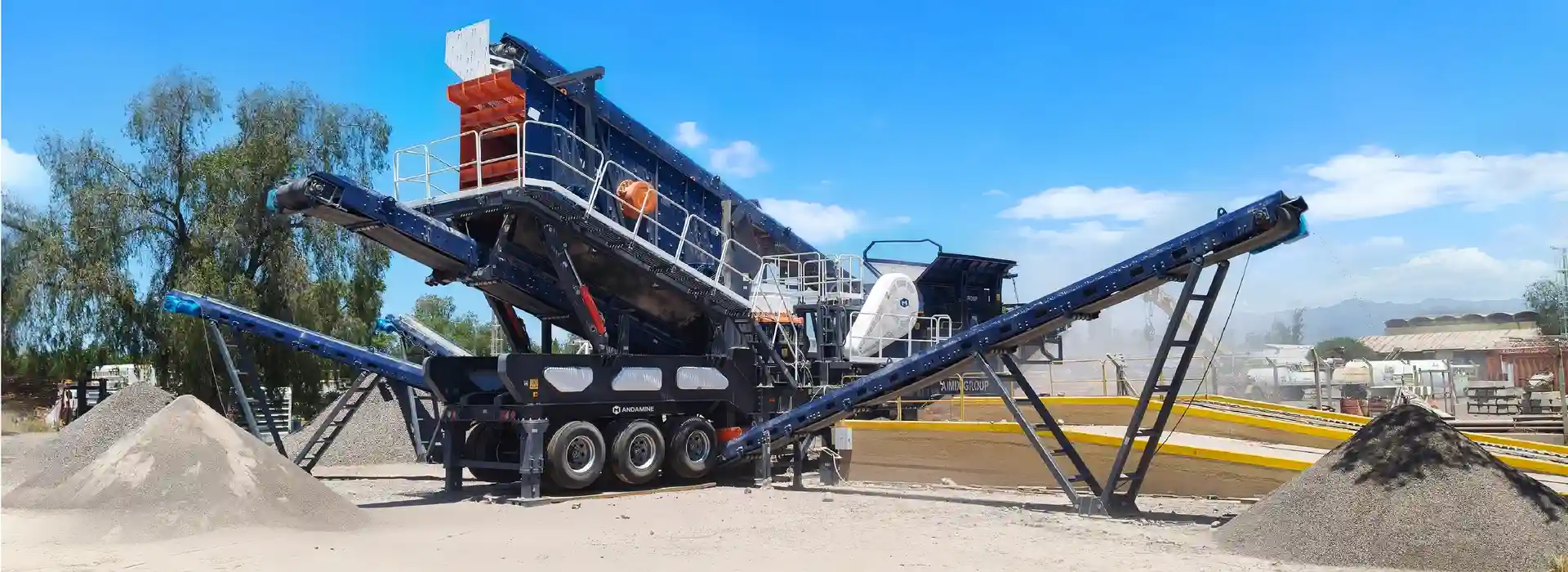
Stone Cost vs. Self-Built Crusher Plant Cost
- Natural aggregate in Indonesia averages USD 8–12 per ton.
- Small projects (a few thousand tons/year) can use economical mobile crushers costing USD 50,000–100,000, with fast payback.
- Medium to large projects (tens of thousands to millions of tons/year) may require fixed or combined plant crusher setups costing USD 300,000–1,200,000, offering stable long-term supply but slightly longer payback.
Capacity and Operating Cost Match
- Small mobile crusher stations: 200–500 tons/day, low operating cost, ideal for small contractors or remote sites, payback ~6–10 months.
- Medium crusher machines: 600–1200 tons/day, suited for infrastructure contractors, ports, or industrial projects, payback ~10–15 months.
- Large fixed crushers machine: 1500–3000 tons/day, for government projects or dense urban construction, payback ~12–18 months.
Choosing Between Mobile, Fixed, or Combined
- Mobile: Low investment, fast deployment, flexible for inter-island work or short-term projects; preferred by small contractors.
- Fixed: High capacity, stable supply, ideal for long-term projects; preferred by large clients.
- Combined: Fixed + mobile, ensures high output and flexible scheduling; best for multi-island or multi-project operations.
Economic Considerations for Indonesian Clients
- Small and medium clients often choose mobile crushers or phased investment to reduce upfront cost.
- Large clients may invest in fixed or combined mesin penghancur plants for long-term supply security.
- For clients with limited funds but flexible needs, leasing mobile crushers or sharing capacity with partners is also a viable option.
What Is the Process for Buying and Operating a Crusher Plant?
Buying and operating a crusher plant in Indonesia involves more than selecting machinery. Buyers need to confirm production requirements, test raw materials, plan the equipment layout, arrange delivery, and prepare for installation and maintenance. Checking site access, inter-island transport, power supply, and applicable permits early can help reduce avoidable delays and unexpected costs.
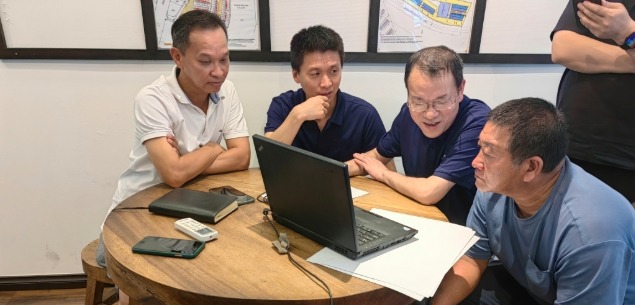
1. Assess Project Requirements and Site Conditions
- What to confirm: Required output in tons per hour (TPH), operating schedule, target aggregate sizes, and project duration.
- What to check: Site dimensions, access roads, available power, foundations, and equipment unloading conditions.
- Why it matters: A clear project brief helps narrow down suitable equipment and identify site constraints before purchase.
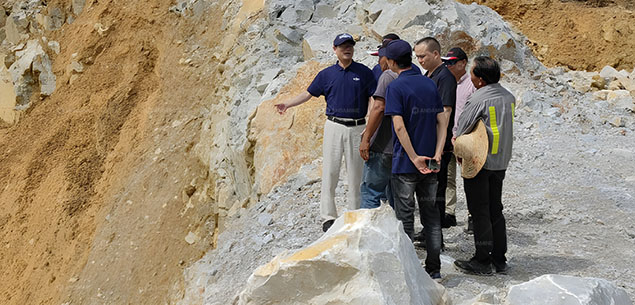
2. Test Raw Materials and Confirm Product Requirements
- What to assess: Feed size, rock hardness, abrasiveness, moisture, clay content, and required finished aggregate grading.
- How to assess it: Use representative samples and, where necessary, laboratory analysis or crushing tests.
- Why it matters: Material properties affect crusher selection, wear-part consumption, screening performance, and final product quality.

3. Select the Plant Configuration and Review the Quotation
- Configuration: Compare jaw, cone, and impact crushing stages, screening equipment, and conveyors according to the feed material and target products.
- Plant type: Consider mobile, stationary, or combined configurations based on site duration, relocation needs, and infrastructure.
- Before ordering: Confirm the equipment list, rated capacity, product specifications, installation scope, warranty, spare parts, and total delivered cost.
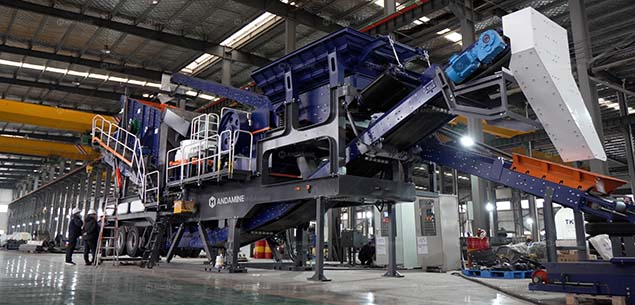
4. Complete Factory Inspection and Arrange Delivery
- Before shipment: Confirm the agreed inspection and factory acceptance testing (FAT) scope, including which components and functions will be checked.
- Delivery planning: Verify packing, shipping documents, unloading arrangements, transport dimensions, and any applicable import or customs requirements.
- Indonesia-specific consideration: For island projects, assess port access, inland transport routes, and any additional handling needed to reach the site.
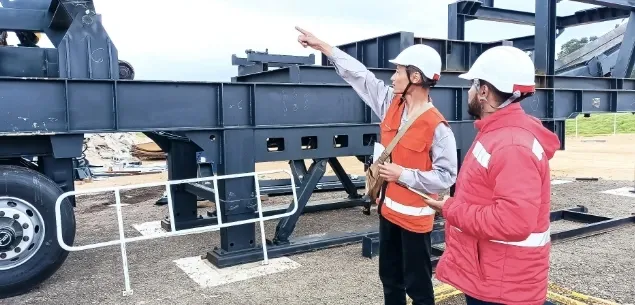
5. Install, Commission, and Train Operators
- Site preparation: Complete the required foundations, power supply, access, and safety arrangements before installation.
- Commissioning: Check equipment functions and safety systems, then conduct trial operation and adjust the process to the agreed requirements.
- Operator training: Cover safe operation, routine inspection, shutdown procedures, and basic troubleshooting. Confirm whether on-site support is included in the contract.
6. Maintain the Plant and Plan Spare Parts
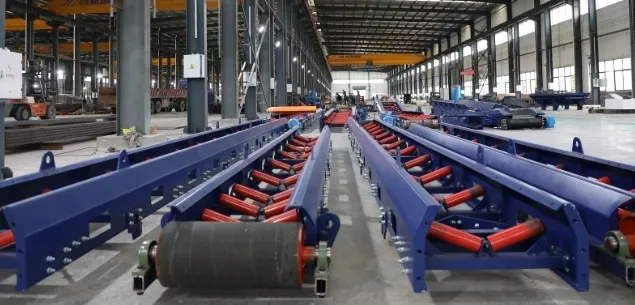
- Routine maintenance: Inspect wear parts, bearings, belts, screens, lubrication systems, and other components according to the manufacturer’s schedule.
- Spare parts planning: Identify critical parts, expected replacement intervals, local availability, and delivery lead times to Indonesia.
- Ongoing support: Confirm the supplier’s troubleshooting channels, technical support scope, and service response arrangements before purchase.
Before production starts: Confirm that applicable mining, environmental, occupational safety, and business requirements have been addressed for your project. Requirements vary according to the operation and location, so verify them with the relevant Indonesian authorities or qualified local advisers.
How to Keep a Crusher Plant Project Legally Compliant?
Before starting a crusher plant project in Indonesia, confirm which business, mining, and environmental approvals apply to your activities. Requirements depend on whether the project extracts raw materials, processes purchased aggregates, or conducts other mining-related activities. Checking permits, environmental obligations, and operational safety requirements before work begins helps reduce the risk of regulatory delays and penalties.
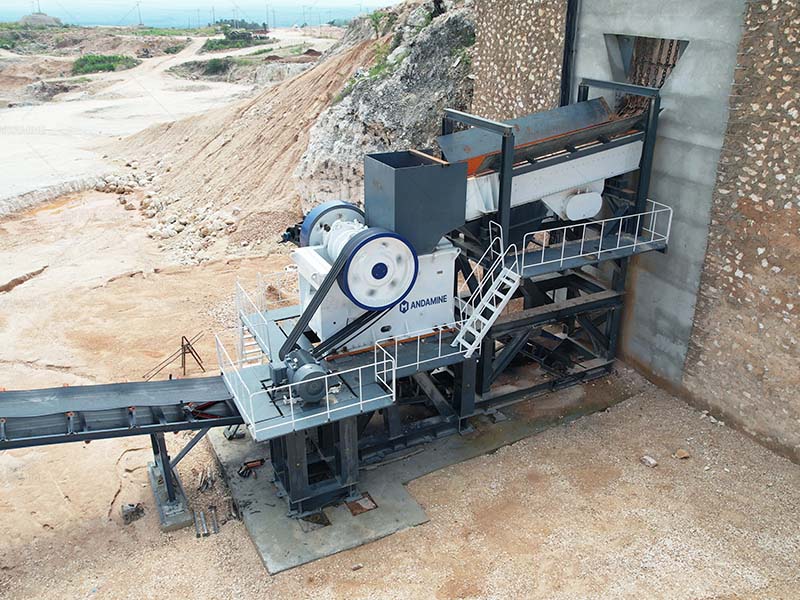
Confirm the Applicable Business and Mining Permits
- IUP (Mining Business License): Check whether a mining license and related approvals are required if the project extracts mineral or rock materials. A crushing plant for sale that processes purchased materials should verify its own applicable business licensing requirements.
- NIB and OSS: Confirm the appropriate business classification (KBLI), Business Identification Number (NIB), and any additional licenses or certificates required for the specific activities.
- Before starting: Verify the required approvals with the relevant Indonesian authorities. Mining operations may require additional technical, environmental, safety, and operational approvals beyond an IUP.
Official reference: Government Regulation No. 39 of 2025, which amends the regulations governing mineral and coal mining activities.
Determine the Required Environmental Approval
- AMDAL: An environmental impact assessment is required for activities that meet the applicable criteria for significant environmental impacts.
- UKL-UPL or SPPL: Depending on the activity and its potential impacts, a project may instead fall under other environmental management and monitoring requirements.
- What to check: Confirm the applicable environmental approval and required controls for dust, noise, wastewater, drainage, and other relevant impacts before operations begin.
Official reference: Indonesia’s Environmental Protection and Management Law. The applicable requirements should be verified against current regulations and the project’s specific conditions.
Manage Dust, Noise, Water, and Site Safety
- Dust and noise: Assess emissions from crushing, screening, conveying, and stockpiling. Use suitable dust suppression, enclosure, or other controls where required.
- Water and drainage: Manage process water, sediment, and stormwater according to site conditions and applicable environmental requirements.
- Worker safety: Establish safe operating procedures, machine guarding, maintenance lockout procedures, and appropriate operator training.
Maintain Compliance Throughout Plant Operations
- Keep records: Maintain required licenses, environmental monitoring records, inspections, maintenance logs, and other applicable operational documents.
- Review changes: Check whether changes to site location, production capacity, raw materials, or business activities require revised approvals.
- Plan ahead: Track permit conditions, reporting obligations, and renewal deadlines to help avoid preventable interruptions.
Important: Licensing and environmental obligations vary by project, business activity, location, and applicable regulations. This overview is for general information and is not a legal determination. Confirm current requirements with the relevant Indonesian authorities or a qualified local adviser before purchasing equipment or starting operations.
What Are the Trends and Future Directions of Local Crushing Plant?
Indonesia’s crushing sector is rapidly evolving, driven by infrastructure expansion, mining development, urban renewal, and stricter environmental regulations. Market structures, technologies, and business models are all transforming. Understanding these trends helps mitigate risks and seize opportunities for higher ROI.
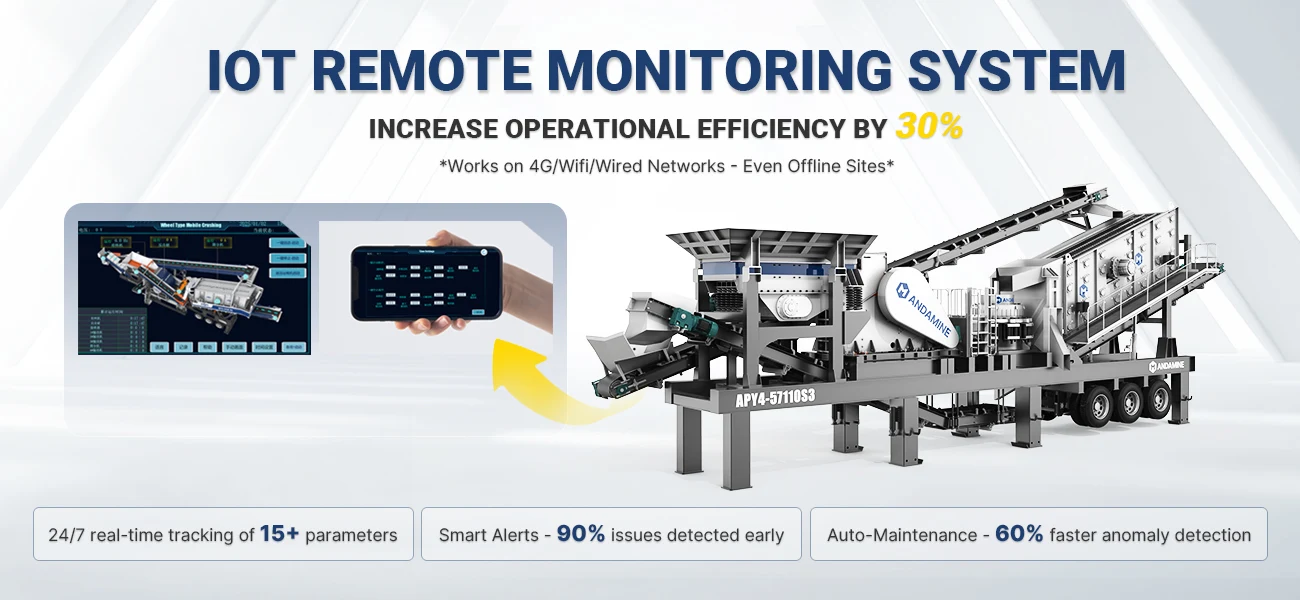
Automation & Remote Monitoring — Reduce Reliance on Labor
- Smart control systems manage crushing, screening, and conveying automatically, keeping output fluctuations within ±5%.
- Remote monitoring tracks power usage and particle distribution, with 2–4 hour early warnings for anomalies.
- Data analysis optimizes capacity, cutting energy consumption by 10–15%.
- Ideal for remote sites and multi-island projects, reducing skilled labor needs by ~30%.
- Remote guidance lowers training costs and minimizes human error risks.
Environmental Upgrades — Green and Sustainable Practices
- Enclosed crushing and dust control maintain emissions ≤20 mg/m³.
- Rainwater collection and wastewater recycling save 30–50% of water.
- Noise and vibration control keeps sound ≤85 dB.
- Recycled aggregates and manufactured sand usage can reach 20–40%.
- Green operations improve chances of government and large-project cooperation by 10–15%.
Fixed + Mobile Dual Ecosystem — Flexibly Meet Project Needs
- Stationary crushing plants suit long-term, high-volume supply, annual output 500,000–2,000,000 t.
- Mobile crusher plants handle short-term or multi-island projects, deployable in 1–2 weeks.
- Combining fixed + mobile crushing plants for sale reduces idle capacity by 15–20%.
- Flexible scheduling adapts to seasons and project timelines, increasing ROI by 5–10%.
Diverse Raw Material Integration — Sand, Recycled, and Minerals
- Scarce river sand drives growth of recycled aggregates and manufactured sand by sand maker, expected to reach 30% of supply in 3–5 years.
- Material diversification reduces single-resource risk and enhances supply chain resilience.
- Particle shape can be adjusted to meet customer requirements, achieving ≥95% conformity.
- Supports eco-friendly building materials and strengthens market competitiveness.
Regional Coordination & Cluster Development — Local Supply Hubs
- Key islands form aggregate clusters, cutting transportation costs by 20–35%.
- Local production shortens delivery times by 1–2 days.
- Clusters enable technology, equipment, and talent sharing, improving efficiency ~10–15%.
- Facilitates fast response to major infrastructure projects and lowers logistics risks.
International Capital & Upgraded Partnerships — Win-Win Models
- Foreign investment boosts crushing technology and management, increasing capacity 10–20%.
- Joint ventures and technical cooperation accelerate local deployment and reduce equipment investment risk ~15%.
- Advanced machinery and smart processes improve productivity and efficiency.
- Higher ESG compliance rates secure more government and large-project opportunities.
- Partnerships help companies expand rapidly in Indonesia and overseas, enhancing competitiveness.
How Can We Help You Successfully Implement Crushing Projects?
ANDAMINE provides crushing equipment, customized crusher plant machinery configurations, and technical support for quarrying, aggregate production, sand making, and suitable recycling projects in Indonesia. From individual crushers to integrated production lines, we match equipment to raw materials, capacity targets, product sizes, and site conditions.
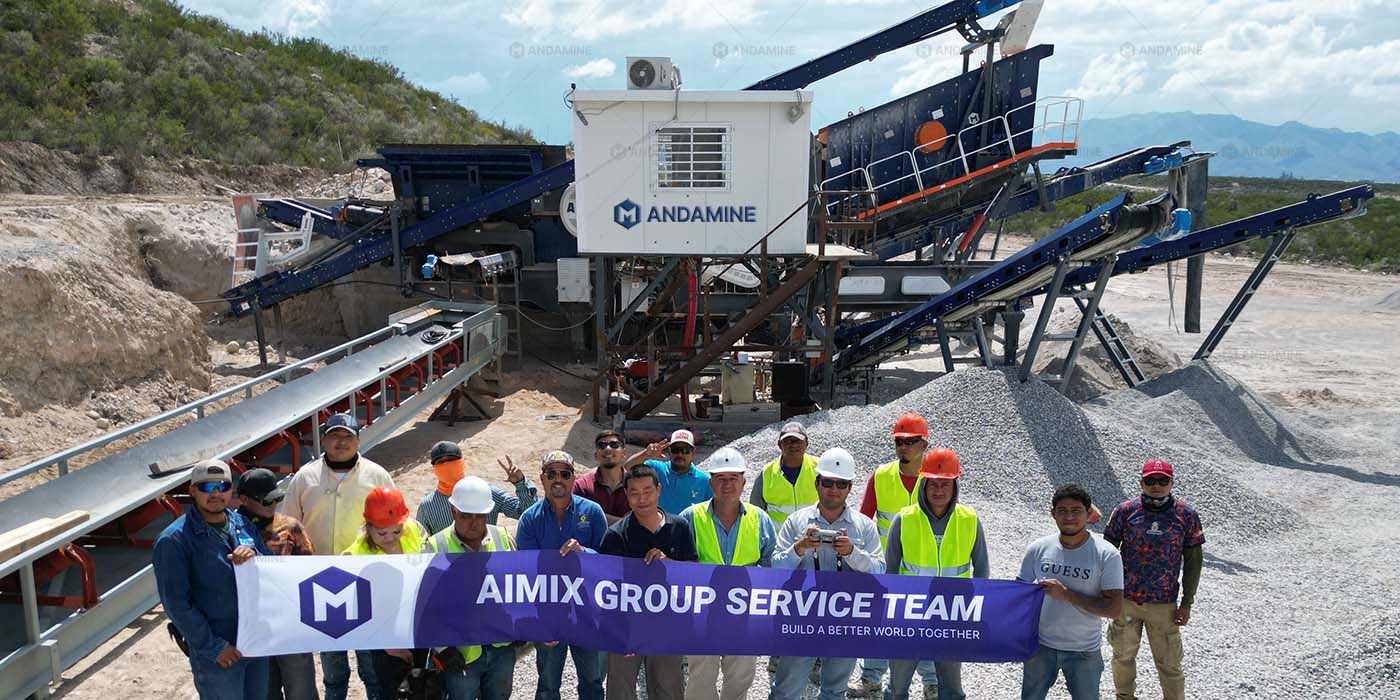
 Complete Crushing and Processing Solutions
- Stationary crushing plants: Configurations for long-term quarrying and sustained aggregate production.
- Mobile crushing plants: Wheel-mounted and crawler-mounted options for flexible project deployment.
- Integrated production lines: Crushers, feeders, screens, and conveyors configured as one system.
- Specialized processing: Solutions for manufactured sand, aggregate shaping, and suitable waste recycling.
 Customized Engineering and Plant Design
- Material matching: Selection based on feed size, hardness, abrasiveness, moisture, and clay content.
- Capacity and grading: Crushing stages and screen settings matched to target output and product sizes.
- Flexible layouts: Stationary, mobile, or combined configurations suited to site and project needs.
- Modular equipment: Applicable APY configurations support module changes within 45 minutes under specified procedures.
 Project Support in Indonesia
- Delivery coordination: Planning considers shipping, port handling, inland transport, and unloading.
- Island logistics: Delivery arrangements account for site access and inter-island transport requirements.
- Installation support: Commissioning guidance follows the selected equipment package and service agreement.
- Spare-parts planning: Critical wear parts are identified according to materials and operating conditions.
 Technology and Operating Efficiency
- IoT monitoring: Applicable APY configurations support equipment-status monitoring and maintenance planning.
- Maintenance performance: Stated APY benefits include up to 15% higher uptime and 15% lower maintenance costs with IoT monitoring.
- Process coordination: Matched feeders, crushers, screens, and conveyors help reduce production bottlenecks.
- Environmental control: Suitable dust, noise, drainage, and water-management measures can be incorporated into plant design.
 Project Experience and Performance
- Multiple applications: Solutions serve quarrying, road aggregates, concrete production, and suitable recycling projects.
- Model specifications: Capacity, feed size, power, and product grading can be checked against equipment data.
- Performance assessment: Results depend on material properties, configuration, operating hours, and maintenance.
- Project references: Case studies can demonstrate supplied equipment, processed materials, and actual production requirements.
 Operator Training and Technical Support
- Operating procedures: Training covers startup, shutdown, safe operation, and routine inspections.
- Preventive maintenance: Operators learn to identify wear and follow scheduled maintenance procedures.
- Product adjustment: Guidance explains how crusher settings and screening affect product size and grading.
- Troubleshooting: Technical guidance helps operators identify faults and follow agreed support procedures.
Planning a crushing project in Indonesia? Share your raw material, required capacity (TPH), target product sizes, project location, and operating schedule. ANDAMINE can help assess suitable equipment models and production-line configurations.
Not Sure Which Crusher Plant Solution Fits Your Project?
Choosing the right crusher plant depends on your material, required capacity, project location, and budget. Share your project details with ANDAMINE to discuss suitable equipment configurations, plant layout, and estimated costs for your needs in Indonesia. Contact us for a customized crushing solution.


